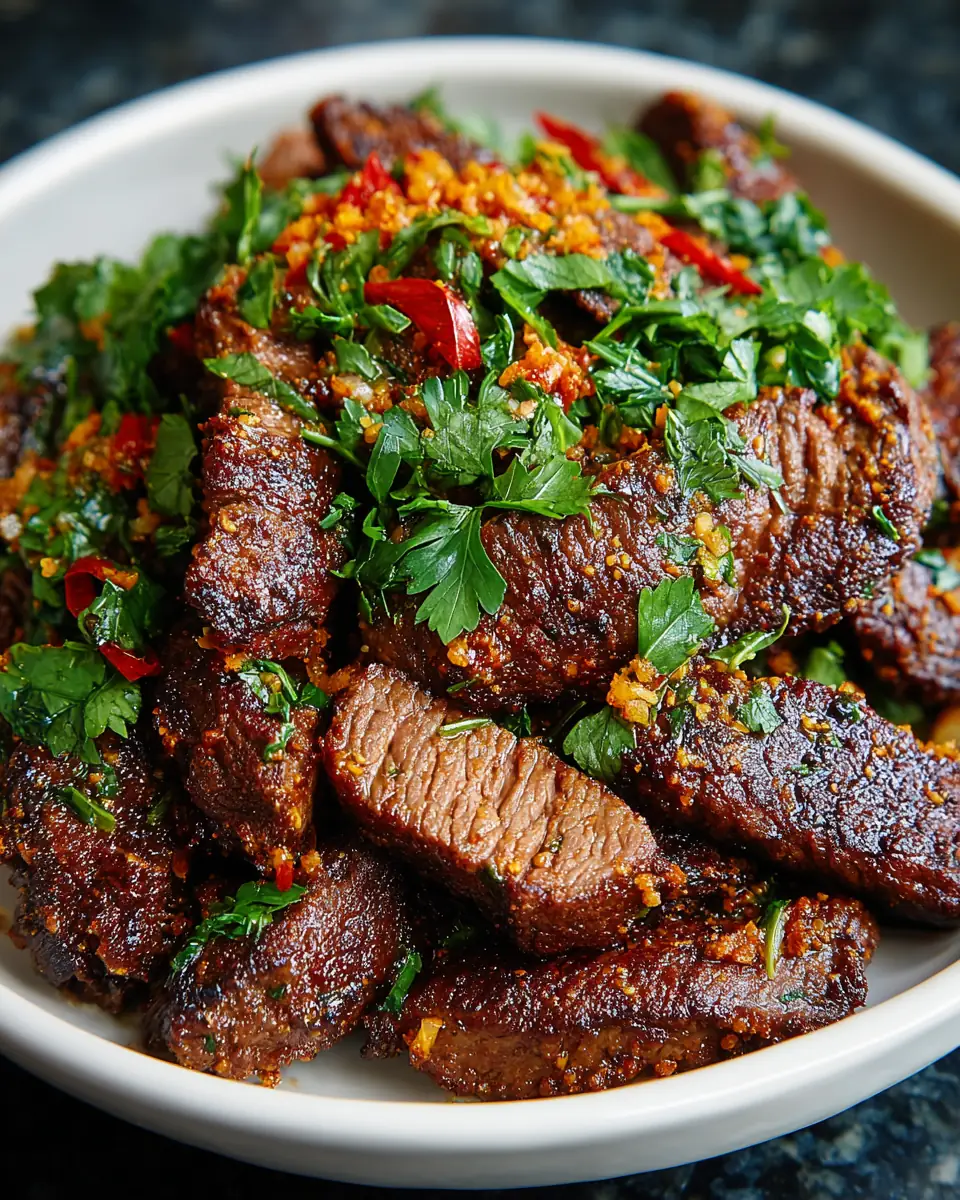
Air Fryer Moroccan Spiced Beef: A Taste of Morocco in Minutes
Introduction:
In the world of culinary exploration, few cuisines offer as much intrigue and flavor as Moroccan cuisine. Known for its diverse use of spices and herbs, Moroccan dishes often provide a warm, inviting experience for the palate. Today, we’ll embark on a flavorful journey with a simple yet delightful dish: Air Fryer Moroccan Spiced Beef. This recipe brings together the rich, aromatic spices characteristic of Morocco in a modern, health-conscious way using an air fryer. Quick to prepare and full of vibrant flavors, this dish is perfect for anyone looking to add a touch of exotic flair to their meal routine.
Why You’ll Love This Recipe:
- Quick and Easy: This recipe is designed for the modern cook. With prep and cook time under 30 minutes, it’s ideal for busy weeknights when time is of the essence.
- Flavorful: The secret to this dish lies in the traditional Moroccan spices, such as cumin, coriander, and cinnamon, which create a symphony of flavors that dance on your taste buds.
- Healthy: Using an air fryer significantly reduces the need for excess oil, making this dish a lighter, healthier option compared to traditional frying methods.
- Versatile: Whether you prefer it over rice, wrapped in bread, or served with a salad, this dish adapts beautifully to various serving styles.
Ingredients
For the Beef:
- 1 lb (450 g) beef steak or beef strips (sirloin or flank works best)
- 2 tbsp olive oil (30 ml)
- 3 cloves garlic, minced
- 1 tsp paprika
- 1 tsp ground cumin
- 1 tsp ground coriander
- 1/2 tsp turmeric
- 1/2 tsp cinnamon
- 1/2 tsp black pepper
- 1 tsp salt
- 1/2 tsp ginger powder
- 1 tbsp lemon juice (15 ml)
- 1 tbsp chopped fresh parsley or cilantro
Step-by-Step Instructions
1. Prep the Beef
The journey begins with the quality of beef you choose. Opt for tender cuts like sirloin or flank, which are excellent for quick cooking methods like air frying. Slicing the beef into thin strips or bite-sized pieces not only ensures they cook evenly but also enhances the marinade’s ability to infuse flavors deeply.
2. Make the Marinade
Creating the marinade is where the magic happens. In a mixing bowl, the combination of olive oil, garlic, and a medley of spices — paprika, cumin, coriander, turmeric, cinnamon, black pepper, and ginger — comes together to form a robust flavor base. The addition of lemon juice adds a zestful brightness, while fresh parsley or cilantro introduces a hint of freshness. Ensuring each piece of beef is well-coated with this aromatic mixture is crucial. While a quick 15–30 minute marinade is sufficient for a fast infusion, allowing the beef to marinate overnight will deepen the flavor profile, making the spices more pronounced.
3. Air Fry
The air fryer, a modern kitchen marvel, is your best ally for achieving perfectly cooked beef with a fraction of the oil traditionally required. Preheating the air fryer to 400°F (200°C) ensures it’s ready to cook the beef evenly. The key to success here is spacing; the beef strips should be arranged in a single layer, avoiding overcrowding. This allows hot air to circulate and sear the meat beautifully, creating a succulent interior with slightly crispy edges. Cooking for 8–10 minutes, with a shake halfway through, typically yields the best results.
4. Check Doneness
A meat thermometer is an invaluable tool for ensuring your beef reaches the desired doneness. For those who prefer a rarer finish, aim for an internal temperature of around 125°F (52°C), whereas a more well-done texture should reach approximately 145°F (63°C).
Serving Suggestions
The versatility of this dish shines in its serving options:
- Over Rice: Serve the Moroccan spiced beef atop a bed of fluffy couscous or basmati rice. These grains not only complement the spices but also absorb the flavorful juices, enhancing every bite.
- In a Wrap: For a portable, hearty meal, warm pita bread or flatbreads provide the perfect vessel. Add a dollop of creamy hummus or a sprinkle of tangy feta cheese to elevate the flavor.
- With a Salad: A fresh salad featuring cucumber, tomatoes, and onions dressed in olive oil and lemon juice makes for a refreshing, vibrant side. The coolness of the salad balances the warm spices of the beef.
Tips for Success
- Marinate Longer: If time permits, marinating the beef overnight in the refrigerator allows the spices to penetrate deeply, resulting in a richer flavor.
- Don’t Overcrowd: For optimal results, cook the beef in batches if necessary, ensuring each piece has enough space for even cooking.
- Adjust Spices: Customize the spice levels to suit your taste. If you enjoy a bit of heat, a pinch of cayenne pepper can add a delightful kick.
Exploring Moroccan Cuisine
Moroccan cuisine is renowned for its bold use of spices, which often include a blend known as “ras el hanout,” a mix that can contain up to 30 different spices. While our recipe simplifies this with key ingredients like cumin, coriander, and cinnamon, feel free to experiment by incorporating elements like saffron or cardamom for a more traditional touch.
In Moroccan culture, meals are often communal, emphasizing shared experiences and hospitality. Serving this dish family-style, where everyone can help themselves, mirrors this tradition, creating a warm, inviting dining atmosphere. The vibrant colors and aromatic scents that fill the room as the dish is served evoke a sense of celebration and warmth, inviting diners to indulge in a truly sensory experience.
The Science Behind the Air Fryer
Understanding the technology behind the air fryer can enhance your cooking experience. Air fryers operate using convection heat, which circulates air around the food, cooking it quickly and evenly. This method creates a crispy exterior similar to frying but with significantly less oil. The air fryer is particularly effective for cooking meats like beef, as it sears the outside while keeping the interior juicy and tender. This cooking technique aligns well with health-conscious eating habits, as it reduces the overall calorie and fat content of meals without sacrificing taste or texture.
Nutritional Benefits
Besides its compelling flavors, this dish offers several nutritional benefits. Beef is a rich source of high-quality protein, essential for muscle building and repair. It also provides essential nutrients such as iron, zinc, and B-vitamins, which are crucial for energy production and immune function. The spices used in this recipe, like turmeric and ginger, boast anti-inflammatory properties and can aid in digestion. By using an air fryer, you further enhance the health profile of the meal, cutting down on unhealthy fats.
Pairing with Moroccan Beverages
To fully immerse yourself in Moroccan culture, consider pairing your meal with traditional Moroccan beverages. Mint tea, a staple in Moroccan hospitality, is an excellent choice. Its refreshing, slightly sweet flavor complements the rich spices of the beef. Alternatively, you might try a Moroccan-style lemonade, infused with fresh mint and a hint of orange blossom water, offering a citrusy contrast to the savory beef.
Experimenting with Side Dishes
While the spiced beef can stand alone as a main dish, complementing it with traditional Moroccan side dishes can elevate your dining experience. Consider serving it with zaalouk, a cooked salad made from eggplant and tomatoes, or harira, a hearty soup typically enjoyed during Ramadan. These sides not only enhance the meal’s authenticity but also provide a greater depth of flavors and textures.
Conclusion
Embarking on a culinary journey through Moroccan flavors doesn’t require extensive cooking skills or exotic ingredients. This Air Fryer Moroccan Spiced Beef recipe is a testament to how easily you can bring the rich, exotic flavors of Morocco into your kitchen. With its quick preparation, healthy cooking method, and versatile serving options, this dish is a delightful addition to any meal plan. Whether you’re a seasoned cook or new to the kitchen, the bold, aromatic flavors of this dish are sure to impress guests and family alike. Enjoy your taste of Morocco tonight, and let your palate explore the warmth and richness of this beautiful cuisine!
Cultural Insights
Understanding the cultural significance behind Moroccan dishes adds a layer of appreciation to your culinary endeavors. Food in Morocco is deeply intertwined with social gatherings and celebrations. Meals are typically shared with family and friends, and the act of breaking bread together symbolizes unity and community. When you prepare this dish, consider adopting this communal spirit, perhaps by inviting loved ones to share in the meal, fostering connections and creating lasting memories.
In conclusion, the Air Fryer Moroccan Spiced Beef recipe is more than just a meal; it’s an invitation to explore and appreciate the intricate tapestry of Moroccan culinary traditions. By embracing the flavors, techniques, and cultural nuances of this dish, you not only satiate your hunger but also enrich your understanding of a vibrant, storied cuisine.


Air Fryer Moroccan Spiced Beef
Juicy, bold, and packed with warm Moroccan flavors — ready in minutes!
- Air Fryer
For the Beef
- 450 g beef steak or beef strips (sirloin or flank works best)
- 30 ml olive oil
- 3 cloves garlic (minced)
- 1 tsp paprika
- 1 tsp ground cumin
- 1 tsp ground coriander
- 0.5 tsp turmeric
- 0.5 tsp cinnamon
- 0.5 tsp black pepper
- 1 tsp salt
- 0.5 tsp ginger powder
- 15 ml lemon juice
- 1 tbsp chopped fresh parsley or cilantro
- Slice your beef into thin strips (or bite-size pieces). This helps it cook quickly and evenly in the air fryer.
- In a bowl, mix olive oil, garlic, all spices, lemon juice, and parsley. Add the beef and mix well until fully coated.
- Let it marinate for 15–30 minutes (or overnight for deeper flavor).
- Preheat your air fryer to 400°F (200°C).
- Place the beef in a single layer (don’t overcrowd). Cook for 8–10 minutes, shaking halfway through.
- Check doneness: Slightly crispy edges = perfect, Juicy inside = ready. Cook 1–2 minutes more if needed.
For best results, allow the beef to marinate overnight. Serve with couscous or a fresh salad for a complete meal.