Spicy Pickled Peppers: A Zesty Addition to Your Culinary Repertoire
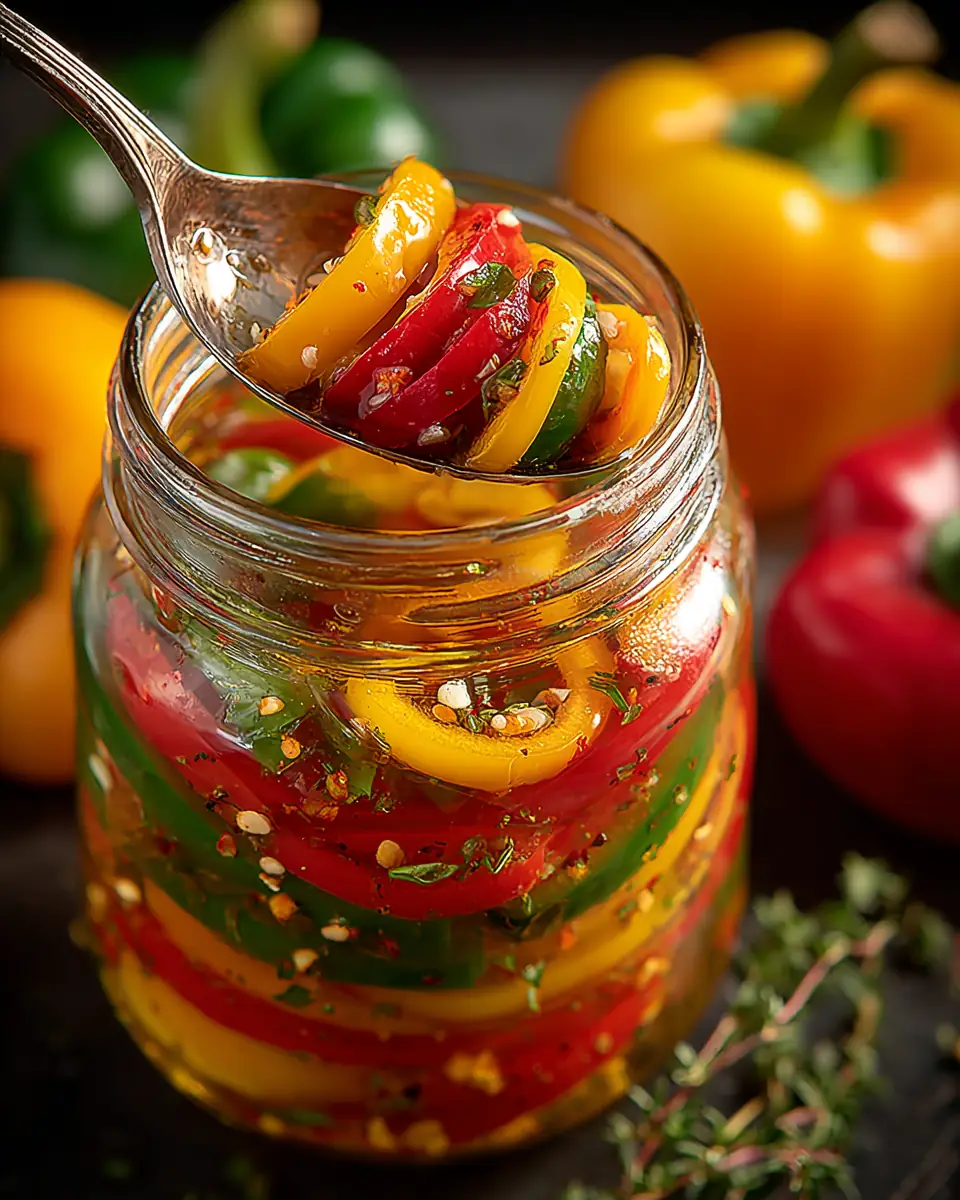
If you’re a fan of bold flavors and a touch of heat, our Spicy Pickled Peppers are about to become your new favorite condiment. Featuring a vibrant medley of red, yellow, and green peppers, this recipe packs a punch with its tangy garlic vinegar brine. Whether you’re looking to spice up your sandwiches, add a zesty side to your grilled meats, or simply enjoy a crunchy snack, these pickled peppers are the perfect choice.
Why You’ll Love This Recipe
Pickling is a time-honored technique that not only preserves the vibrant colors and flavors of fresh produce but also enhances them with a delightful tang. Our Spicy Pickled Peppers are: – Easy to Make: With minimal prep and a straightforward process, you’ll have delicious pickled peppers ready in no time. – Customizable: Adjust the level of heat with chili flakes to suit your taste. – Versatile: Perfect as a standalone snack, a topping for sandwiches and burgers, or a tangy side for grilled dishes. – Long-Lasting: Once pickled, these peppers can be stored in the fridge for weeks, allowing you to enjoy their flavors over time.
The Art and Science of Pickling
Pickling is an ancient method of food preservation that has been practiced for thousands of years across different cultures. The process involves immersing food in an acidic solution, often vinegar, which prevents spoilage by creating an environment hostile to bacteria. This technique not only extends the shelf life of perishable goods but also transforms their flavors and textures, offering a unique culinary experience.
The Chemistry Behind Pickling
When peppers are submerged in a vinegar-based brine, several chemical reactions occur: 1. Acidification: The acetic acid in vinegar lowers the pH of the environment, inhibiting the growth of harmful microorganisms. 2. Flavor Infusion: Ingredients like garlic, mustard seeds, and chili flakes release their flavors into the brine, which in turn permeates the peppers. 3. Color Enhancement: The acidic environment can intensify the natural colors of the peppers, making them more visually appealing.
By understanding these processes, you can appreciate the transformative power of pickling and how it enhances the flavors of your ingredients.
Ingredients You’ll Need
For the Peppers:
- 3–4 cups (400–500 g) mixed peppers: Choose a colorful mix of red, yellow, and green peppers for a visually stunning and flavor-packed result.
- 3 cloves garlic: Sliced to infuse the brine with a robust, aromatic essence.
- 1 tsp mustard seeds: Adds a subtle, tangy complexity.
- 1/2 tsp chili flakes (optional): For those who love a little extra heat.
- 1 tbsp fresh parsley: Chopped to add a touch of freshness and color.
For the Brine:
- 1 cup (240 ml) white vinegar: The acidic base that gives pickling its characteristic tang.
- 1 cup (240 ml) water: Helps balance the acidity of the vinegar.
- 1 tbsp salt: Essential for flavor and preservation.
- 1 tbsp sugar: Balances the acidity and enhances the natural sweetness of the peppers.
- 2 tbsp olive oil: Adds a silky texture and richness.
- 1/2 tsp black pepper: For a hint of spice and depth.
Step-by-Step Directions

Prepare the Peppers
- Wash and Slice: Begin by washing the peppers thoroughly. Slice them into rings or strips, depending on your preference. Consider using a mandoline slicer for uniform thickness.
- Jar the Peppers: Place the sliced peppers in a clean glass jar along with the sliced garlic, mustard seeds, chili flakes, and chopped parsley. Ensure the jar is large enough to hold all ingredients with room for the brine.
Make the Brine
- Combine Ingredients: In a saucepan, mix together the vinegar, water, salt, sugar, olive oil, and black pepper. Adjust the sugar and salt according to your taste preferences.
- Heat the Brine: Bring the mixture to a light boil over medium heat, ensuring the salt and sugar are fully dissolved. Remove from heat. Allow the brine to cool slightly before pouring it over the peppers to avoid breaking the glass jar.
Pour & Pack
- Add the Brine: Carefully pour the hot brine over the prepared peppers in the jar until they are fully submerged. Use a spoon to press the peppers down if needed.
- Cool Down: Allow the mixture to cool completely before sealing the jar with a lid. This step is crucial to prevent condensation inside the jar, which can dilute the brine.
Rest & Marinate
- Refrigerate: Place the sealed jar in the refrigerator. For best results, let the peppers marinate for at least 24 hours before tasting. The flavors will intensify and meld beautifully after 2–3 days. Over time, the pickling process continues to develop the flavors, giving you an even more delicious experience.
Serve
- Enjoy! These pickled peppers are incredibly versatile. Serve them with sandwiches, grilled meats, or enjoy them as a spicy, tangy snack on their own. They make a great addition to charcuterie boards or as a zesty topping for pizzas and salads.
Nutritional Information (Per Serving)
- Calories: ~60 kcal
- Protein: 1g
- Carbohydrates: 6g
- Fat: 3g
- Sugar: 3g
- Sodium: 500mg
Tips for Success
- Sterilize Your Jars: Ensure your glass jars are thoroughly cleaned and sterilized before use to prevent any unwanted bacteria from spoiling your pickled peppers. Boiling the jars and lids for a few minutes is an effective method of sterilization.
- Adjust the Heat: Feel free to increase or decrease the amount of chili flakes to suit your spice tolerance. You can also experiment with other types of peppers, such as jalapeños or habaneros, for varying levels of heat.
- Experiment with Herbs: Fresh dill or thyme can be great substitutes or additions to parsley for varied flavor profiles. Consider adding a bay leaf for an earthy note.
Exploring Variations and Pairings
Flavor Variations
- Sweet and Spicy: Add a tablespoon of honey or maple syrup to the brine for a sweet contrast to the heat.
- Herbal Infusion: Incorporate herbs like basil or oregano for a Mediterranean twist.
- Citrus Zing: Add lemon or lime zest to the brine for a citrusy aroma and flavor.
Perfect Pairings
- Cheese Boards: The tangy and spicy notes of pickled peppers complement creamy cheeses like brie or sharp cheddar, adding a dynamic contrast.
- Mexican Dishes: Use these peppers to top tacos, nachos, or burritos for an extra kick.
- Salads: Toss them into a simple salad of mixed greens, feta, and olives for a burst of flavor.
The Cultural Significance of Pickling
Pickling has deep roots in many cultures around the world, each with its unique twist. In Korea, for instance, pickling is synonymous with kimchi, a staple in Korean cuisine. In India, a variety of fruits and vegetables are pickled with spices to create achaar, a condiment that adds a piquant flavor to meals. Understanding the cultural significance of pickling can deepen your appreciation for this age-old practice.
Pickling Across the Globe
- Eastern European Pickles: In countries like Poland and Russia, pickled cucumbers and cabbage are traditional accompaniments to hearty meals, often providing a refreshing contrast to rich and heavy dishes.
- Middle Eastern Preserves: In the Middle East, pickling is a popular way to preserve vegetables such as turnips and cauliflower, often colored with beet juice for an eye-catching appearance.
- American Pickle Craze: In the United States, pickling has seen a resurgence in popularity, with artisanal pickles becoming a staple at farmers’ markets and gourmet food stores.
Environmental Impact and Sustainability
Pickling is not only a culinary tradition but also a sustainable practice. By preserving seasonal produce through pickling, you can reduce food waste and enjoy your favorite ingredients year-round. It allows you to support local agriculture by buying in-season produce, which often has a lower carbon footprint compared to imported goods.
Conclusion
By diving into the world of pickling with our Spicy Pickled Peppers recipe, you’re embracing a rich culinary tradition that enhances flavors, extends the lifespan of fresh produce, and offers endless possibilities for customization. Whether you’re a pickling novice or a seasoned expert, this recipe promises to add a vibrant, zesty touch to your culinary creations. Enjoy the journey, and savor the results!
Explore the joys of pickling, and let your taste buds revel in the vibrant, tangy, and spicy notes that these peppers bring to your table. Happy pickling!


Spicy Pickled Peppers
Crunchy, tangy, and slightly spicy peppers soaked in a flavorful garlic vinegar brine — perfect as a side or sandwich topping.
- Saucepan
- Glass Jar
For the Peppers
- 400 g mixed peppers (red, yellow, green – sliced)
- 3 g garlic (sliced)
- 1 tsp mustard seeds
- 0.5 tsp chili flakes (optional)
- 1 g fresh parsley (chopped)
For the Brine
- 240 ml white vinegar
- 240 ml water
- 1 tbsp salt
- 1 tbsp sugar
- 2 tbsp olive oil
- 0.5 tsp black pepper
- Wash and slice peppers into rings or strips.
- Place them in a clean glass jar with garlic, mustard seeds, chili flakes, and parsley.
- In a saucepan, combine vinegar, water, salt, sugar, olive oil, and black pepper.
- Bring to a light boil, then remove from heat.
- Pour the hot brine over the peppers until fully covered.
- Let cool completely, then close the jar.
- Store in the fridge for at least 24 hours before eating. Flavor gets better after 2–3 days.
For a more intense flavor, allow the peppers to marinate for up to a week before enjoying. Adjust the chili flakes to control the spiciness.