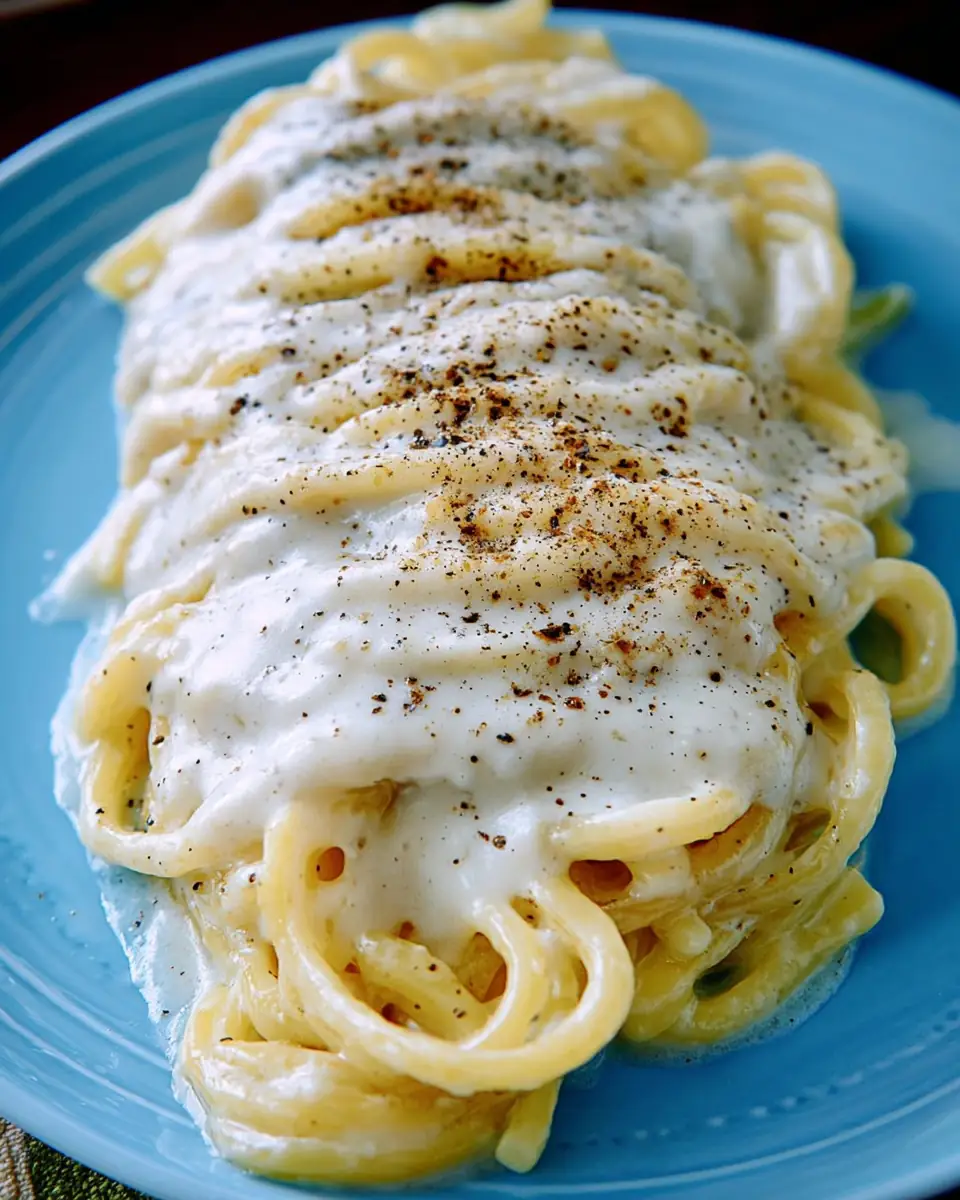
Cacio e Pepe: The Quintessential Roman Pasta Dish
If you’re a fan of pasta dishes that are both simple and utterly delicious, then Cacio e Pepe is a recipe that deserves a place in your culinary repertoire. Translating to “cheese and pepper,” this classic Roman dish is a celebration of a few humble ingredients that come together to create a creamy, peppery delight. In this article, we’ll explore the nuances of making the perfect Cacio e Pepe, diving into the history, science, and variations of this cherished dish to ensure you capture the authentic flavors of Rome in your own kitchen.
A Brief History of Cacio e Pepe
The origins of Cacio e Pepe date back centuries, deeply embedded in Roman culture. Traditionally, this dish was a staple for shepherds who needed a meal that was easy to prepare with ingredients that could be preserved over time. Pecorino Romano, made from sheep’s milk, and black pepper could be carried easily, and with dried pasta, formed the basis of a satisfying meal in the pastoral landscapes of Lazio.
As with many classic Italian dishes, Cacio e Pepe exemplifies the philosophy of using a handful of quality ingredients to create something greater than the sum of its parts. Its simplicity is deceiving; mastering the art of this dish requires attention to detail and respect for the ingredients. Let’s delve into the components that make this dish so special and the precise steps to achieving a perfect plate.
Ingredients Overview
Before we dive into the detailed steps, let’s take a closer look at the ingredients that make this dish so special:
Pasta (125 grams or 4 oz.): Spaghettone quadrato or Spaghettoni are the preferred choices for their ability to hold onto the creamy sauce. Their thicker texture provides a satisfying bite and ensures that every strand is coated with the cheesy goodness.
Pecorino Romano Cheese (75 grams or 3 oz.): This hard, salty cheese is the star of the dish. Its robust flavor and crumbly texture make it ideal for melting into a luscious sauce. Be sure to use freshly grated Pecorino Romano for the best results.
Black Pepper: Freshly cracked black pepper is essential. It provides a sharp, spicy contrast to the rich cheese, and its aromatic oils are released when freshly ground, enhancing the dish’s overall flavor.
Rock Salt (1 Tbsp.): Used to season the pasta water, ensuring the noodles are flavorful from the inside out.
Pasta Water: Often underestimated, pasta water is a key component in achieving the perfect sauce consistency. Its starchy content helps emulsify the cheese into a creamy sauce.
Step-by-Step Directions
1. Boil the Pasta
Start by bringing a large pot of water to a boil. Once boiling, add 1 tablespoon of rock salt. This will season the pasta as it cooks. Add the spaghettone to the pot and cook it for two minutes less than the package instructions. This ensures the pasta will finish cooking in the sauce, absorbing the flavors.
2. Toast the Pepper
While the pasta is cooking, heat a saucepan over medium heat. Generously cover the surface with freshly cracked black pepper and toast it for about two minutes. This process releases the essential oils and intensifies the flavor. Once toasted, turn off the heat. Toasting the pepper is crucial as it elevates its flavor profile, making it more aromatic and less harsh, allowing it to meld seamlessly with the cheese.
3. Prepare the Cheese Mixture
In a small bowl, combine black pepper with grated Pecorino Romano cheese. Mixing them together ensures that the pepper is evenly distributed throughout the cheese, providing a consistent flavor in every bite. This step is important to avoid the clumping of cheese when it hits the pasta, ensuring a smooth, creamy sauce.
4. Combine Pasta and Pepper
Using tongs, transfer the cooked pasta directly into the saucepan with the toasted pepper. It’s crucial to reserve the pasta water—do not drain it. Turn the heat back on and add a cup of pasta water to the pan. This will begin forming the base of your sauce. Stir the pasta continuously for about two minutes. This process helps the pasta absorb the flavors and allows the starch from the pasta water to start thickening the sauce.
5. Create the Cheese Paste
Incorporate a bit of pasta water into the Pecorino cheese mixture, stirring until it forms a thick paste. Gradually add more water if needed. This step ensures that the cheese melts smoothly into the sauce without clumping. Creating a paste before adding it to the pasta helps in achieving a glossy, cohesive sauce.
6. Steam and Toss
Place the pot with the remaining pasta water back on the stove. Set your saucepan on top, allowing the steam to gently heat the pasta. Add the pecorino cream to the pasta and mix well. If the pasta seems sticky, add a bit more pasta water. Toss the pasta over the steam to ensure even melting of the cheese. This indirect heat method prevents the cheese from overheating and separating, keeping the sauce creamy.
7. Serve and Enjoy
Once the pasta is perfectly coated in the creamy, peppery sauce, transfer it to a plate. Top with any leftover cheese sauce and a sprinkle of fresh black pepper. Enjoy this dish immediately for the best texture and flavor. Serving immediately is crucial as the sauce thickens as it cools, potentially altering its silky texture.
The Science Behind the Sauce

The magic of Cacio e Pepe lies in the emulsion of cheese and pasta water. The starch released from the pasta acts as a natural thickening agent, binding with the fat in the cheese to create a smooth, creamy sauce. This culinary technique is not unique to Cacio e Pepe but is a cornerstone in many Italian pasta dishes, such as Carbonara and Alfredo.
Understanding the science behind this emulsion can help you troubleshoot common issues, such as clumping or separating. If your sauce becomes too thick or begins to clump, simply add more pasta water, a little at a time, while continuously stirring. This will help re-emulsify the sauce and restore its creamy texture.
Tips for Success
Use Quality Ingredients: With only a few ingredients, quality matters. Opt for authentic Pecorino Romano and freshly cracked black pepper for the best results.
Embrace the Pasta Water: It’s the secret to a smooth, emulsified sauce. Don’t hesitate to use it liberally as you adjust the sauce consistency.
Timing is Key: The pasta should be al dente when it hits the pan, and the sauce should come together quickly to prevent clumping.
Temperature Control: Avoid overheating the cheese, as this can cause it to separate. Gentle heat ensures a smooth, creamy sauce.
Experiment with Pepper: The quantity of black pepper can be adjusted to taste. Some might prefer a more pronounced peppery kick, while others may opt for a milder version.
Variations and Serving Suggestions
While Cacio e Pepe is delightful in its traditional form, there are ways to customize it to suit your palate. Consider adding a touch of lemon zest for a hint of brightness, or sprinkle some finely chopped parsley for a pop of color and freshness. For those who enjoy a bit of heat, a pinch of red pepper flakes can elevate the dish with a subtle kick.
Pairing Cacio e Pepe with a simple salad of arugula dressed in olive oil and lemon juice can provide a refreshing contrast. A glass of crisp white wine, such as a Pinot Grigio or a Falanghina, complements the dish beautifully, cutting through the richness of the cheese.
For a heartier version, consider incorporating sautéed mushrooms or cooked pancetta. These additions can bring an extra layer of flavor and texture to the dish, making it suitable for a more substantial meal.
Conclusion
Cacio e Pepe is a testament to the beauty of simplicity in Italian cuisine. With minimal ingredients and careful technique, you can create a dish that’s both comforting and sophisticated. Whether you’re cooking for a romantic dinner or a quick weeknight meal, this Roman classic is sure to impress. Embrace the tradition, savor the flavors, and transport yourself to the heart of Rome with every bite. Buon appetito!
By understanding and respecting the fundamentals of this dish, you can appreciate the delicate balance of flavors that have made Cacio e Pepe a timeless favorite. Its allure lies not just in its taste but also in its ability to connect us with the rich history and culture of Rome, offering a taste of Italy in every forkful.


Cacio e Pepe Pasta

A classic Roman pasta dish that combines simple ingredients to create a rich, flavorful meal.
- Large Pot
- Saucepan
- Tongs
- Mug
Cacio e Pepe Pasta
- 125 g Pasta (Spaghettone quadrato or Spaghettoni Pasta) (Cook two minutes less than package instructions)
- 75 g Pecorino Romano Cheese (Mix with black pepper to create a paste)
- 1 Tbsp rock salt (Add to boiling water)
- 5 tsp Black pepper (Freshly cracked and toasted)
- 250 ml Pasta water (Use to adjust sauce consistency)
- In a large pot, boil water and once it comes to a boil, add 1 tablespoon of salt. Then add the spaghettone to the pot.
- Cook the pasta two minutes less than the recommended cooking time it says on the package.
- Place the saucepan on your hot plate and turn up to a gentle heat. Cover the cooking surface with freshly cracked black pepper. Be generous with the amount and toast for approx two minutes then switch off the heat.
- In a separate small bowl, add some black pepper to the pecorino romano cheese and mix it together.
- Use a pair of tongs to take the pasta out of the pot and place it into the saucepan. It’s important to save the pasta water and make sure the heat is turned back on.
- Using a mug, scoop one cup of pasta water and add it to the saucepan with the pasta and pepper. Add enough water to cover most of the pasta.
- Cook the pasta for two minutes while continuously stirring. Then scoop another mug of pasta water and put a little bit into the pecorino cheese and mix it. Gradually add more water and mix until the cheese becomes a thick paste.
- Place your pot with pasta water uncovered onto the stove. Next, place your saucepan on top of the pot. The steam from the water will help us cook the pasta.
- Add the pecorino cream to the pasta and mix it around. Add a little bit more pasta water to the pan.
- Begin to toss the pasta in the pan. If it does not move and can’t be tossed, add a little bit more pasta water. Toss it a few times over the steam to help melt the cheese.
- Place the pasta on a plate and top it with leftover cheese sauce and some black pepper.
For a creamier sauce, adjust the amount of pasta water added. Serve immediately for the best texture.