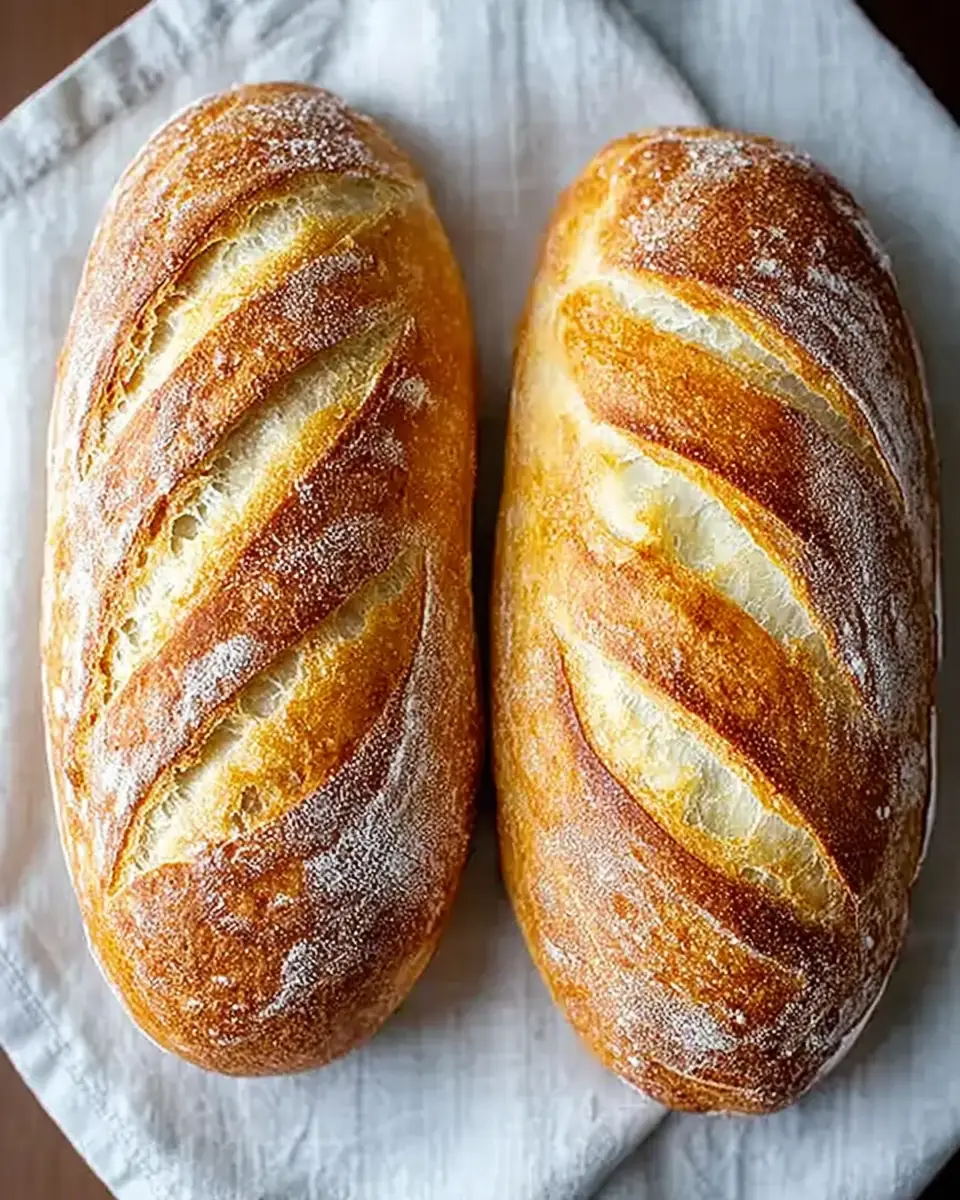
Indulge in the Art of Baking: Crispy French Baguette with a Soft, Chewy Center
There’s something quintessentially satisfying about baking your own bread. The aroma that fills your home, the tactile joy of working with dough, and the reward of that first crunchy bite into a perfectly baked loaf—all contribute to the magic of homemade bread. Today, we’re diving into a classic: the French baguette. This recipe will guide you to create a baguette with a crispy crust and a soft, chewy center, perfect for any occasion.
The French Baguette: A Culinary Icon
The French baguette is more than just bread; it’s a symbol of French culture and culinary tradition. Known for its crispy crust and airy interior, the baguette offers a simple yet profound experience. Whether you’re serving it with cheese, dipping it in soup, or enjoying it with a touch of butter, a well-baked baguette elevates any meal.
A Brief History of the Baguette
The baguette, as we know it today, became a staple in France in the 19th century. Its elongated shape was not only practical for bakers, allowing for faster and more even baking, but also for consumers, who appreciated the convenience of a bread that could be easily carried home from the bakery. Over time, the baguette has evolved from a daily necessity to a cherished gourmet item, celebrated for its simplicity and elegance.
Ingredients and Their Roles
Flour
For this recipe, you’ll need 3 1/4 cups (400g) of all-purpose flour, though bread flour can be used for extra chewiness. The choice of flour impacts the texture and structure of your baguette. All-purpose flour gives you a light, tender crumb, while bread flour, with its higher protein content, provides more gluten, resulting in a chewier texture.
Salt and Sugar
Salt (1 1/2 tsp) enhances flavor, while sugar (1 tsp) aids in yeast activation and contributes to browning. The balance between these ingredients is crucial; salt controls yeast fermentation and strengthens gluten, while sugar subtly sweetens the dough and promotes a golden crust.
Yeast
Use 1 1/4 tsp of instant yeast or active dry yeast. If using active dry yeast, remember to proof it in warm water first. Yeast is the powerhouse behind bread making, responsible for the rise and texture. It ferments the sugars in the flour, producing carbon dioxide gas that causes the dough to expand and develop flavor.
Water
Lukewarm water (1 1/4 cups or 300ml) is crucial for yeast activation and dough consistency. The temperature of the water is important; too hot, and it can kill the yeast; too cold, and the yeast will not activate sufficiently.
Cornmeal or Semolina Flour
These are used for dusting to prevent sticking and add an extra layer of texture to the bottom crust. This step ensures that your baguette has that distinctive crunchy bottom, adding to the overall sensory experience.
Olive Oil
A light coating during the resting phase adds a subtle depth of flavor to the dough. While not traditional in French baguettes, a touch of olive oil can enhance the dough’s elasticity and add a nuanced flavor profile.
Step-by-Step Directions
1. Make the Dough
Start by combining your dry ingredients: flour, salt, and sugar. If using instant yeast, add it directly to the mix. For active dry yeast, dissolve it in warm water and let it sit for about 5 minutes until frothy.
Gradually incorporate the lukewarm water into the dry ingredients, mixing with a wooden spoon or your hands until a shaggy dough forms. Turn the dough onto a floured surface and knead for 8–10 minutes. Your dough should be smooth and elastic, soft yet not overly sticky.
As you knead, you’ll notice the dough becoming more pliable and stretchy. This is due to the development of gluten, which gives bread its structure and chewiness. Don’t rush this process; the more you knead, the better your baguette will be.
Place the kneaded dough into a lightly oiled bowl, cover it with a damp towel or plastic wrap, and let it rise in a warm area for 1.5 to 2 hours, until it doubles in size. This first rise, or “bulk fermentation,” is where the flavors really start to develop.
2. Shape the Baguettes
After the dough has risen, gently punch it down to release excess air. This step is crucial for creating an even crumb structure. Divide it into three equal portions. Shape each portion into a rectangle, then fold it like a letter. Pinch the seam and gently roll it into a 10–12 inch log.
Shaping takes a bit of practice; the goal is to create a taut surface on the outside of the dough, which helps the baguette hold its shape and rise evenly in the oven.
Place the shaped loaves on a floured tea towel or parchment-lined baking sheet. Cover and let them proof for 15 minutes while preheating the oven. This short rest allows the gluten to relax, making the dough easier to slash and improving the final rise.
3. Preheat Oven with Steam Setup
Place a baking stone or steel on the center rack and a metal tray or cast iron skillet on the lower rack. Preheat your oven to 475°F (245°C) for at least 30 minutes. This high heat is key to achieving the perfect crust.
The baking stone or steel provides a consistent, intense heat from below, mimicking a traditional bread oven. Meanwhile, the steam from the tray helps keep the crust moist initially, allowing it to expand before setting into that coveted crispiness.
4. Score and Bake
Before baking, use a lame or sharp knife to make 3-4 diagonal slashes across each loaf. This step is crucial for allowing the bread to expand properly. Without these cuts, the baguette would burst unpredictably, ruining its shape and texture.
Transfer the loaves to the hot stone using a peel or inverted baking sheet. Quickly pour a cup of hot water into the lower tray or mist the oven walls to create steam. This steam is essential for a crispy crust.
Bake the loaves for 20–25 minutes, until they are deep golden brown and sound hollow when tapped. The hollow sound indicates that the bread is cooked through.
5. Cool and Enjoy
Remove the baguettes from the oven and let them cool completely on a wire rack. This cooling period is important for the crumb to set, ensuring that sought-after chewy texture. Cutting too soon can result in a gummy interior.
Bringing It All Together

With a total time of about 3 hours—20 minutes of prep, 25 minutes of baking, and the rest dedicated to proofing—you can create bakery-quality baguettes right in your kitchen. Whether you’re a seasoned baker or a beginner, this recipe is both approachable and rewarding, promising a delightful addition to your culinary repertoire.
Tips for Perfecting Your Baguette
Practice Makes Perfect: The more you bake, the better you’ll understand your dough. Each batch will teach you something new about the nuances of fermentation, shaping, and baking.
Experiment with Flours: Try using different flours or a combination to see how they affect the texture and flavor. Whole wheat or rye can add a rustic depth to your baguettes.
Adjust for Climate: Humidity and temperature can affect your dough. In humid conditions, reduce the water slightly, and in dry climates, you might need a bit more.
Invest in Tools: While you can bake baguettes without special tools, a baking stone, peel, and lame can significantly improve your results.
Consider Fermentation Time: Longer fermentation times can develop more complex flavors. If you have the time, try refrigerating your dough overnight for a slow rise.
Practice Scoring Techniques: Scoring is an art, and different patterns can impact the final look of your baguette. Practice makes perfect, so don’t shy away from experimenting with different designs.
Pairing Your Baguette
A baguette is versatile and pairs beautifully with a variety of foods. Consider these pairing suggestions to elevate your dining experience:
Cheese: A classic pairing, cheese and baguette is a match made in heaven. Try it with a creamy Brie, a robust Roquefort, or a nutty Comté for a truly French experience.
Soup: The chewy texture of a baguette is perfect for dipping into soups. Whether it’s a classic French onion soup or a hearty vegetable stew, the baguette’s crust provides the ideal contrast.
Sandwiches: Use your baguette to make sandwiches. Its sturdy structure makes it ideal for holding fillings without getting soggy. Try a traditional jambon-beurre (ham and butter) or a more contemporary tomato and mozzarella.
Olive Oil and Balsamic Vinegar: A simple yet elegant option, dipping slices of baguette into quality olive oil and balsamic vinegar can make for a delightful appetizer or snack.
The Joy of Sharing
Baking baguettes is not only about the end product but also about the joy of sharing. Consider inviting friends or family over for a baking session. This shared activity can become a cherished tradition, filled with laughter, learning, and the satisfaction of creating something delicious together.
Exploring Variations
While the traditional French baguette is a masterpiece in its own right, don’t be afraid to explore variations:
Herb-Infused Baguette: Add chopped fresh herbs like rosemary or thyme to your dough for an aromatic twist.
Seeded Baguette: Roll your shaped dough in a mixture of seeds such as poppy, sesame, or sunflower seeds for added texture and flavor.
Garlic Baguette: Mix minced garlic into your dough or brush the finished baguette with garlic butter for a flavorful variation.
Understanding the Science of Baking
Baking is as much a science as it is an art. Understanding the chemical reactions at play can enhance your baking skills:
Gluten Formation: When you mix flour with water, gluten proteins form, giving bread its structure. Kneading strengthens these gluten strands, allowing the dough to stretch and trap gas bubbles produced by the yeast.
Fermentation: As yeast ferments the sugars in the flour, it produces carbon dioxide and alcohol. The gas gets trapped in the dough, causing it to rise, while the alcohol contributes to flavor development.
Browning: The Maillard reaction is responsible for the browning of your baguette. This chemical reaction between amino acids and reducing sugars gives baked goods their characteristic flavor and color.
By appreciating the science behind baking, you can better troubleshoot issues and make informed adjustments to your recipes.
Conclusion
Baking is indeed an art, and with this recipe, you’ll have the tools to master the craft of creating the perfect French baguette. Enjoy the process, and more importantly, enjoy the delicious results! Bon appétit!


Crispy French Baguette with a Soft, Chewy Center

This classic French baguette is crispy on the outside with a soft, chewy interior. Perfect for any meal or as a delightful snack.
- Baking Stone
- Metal Tray
- Lame or Sharp Knife
Baguette Dough
- 400 g all-purpose flour (Bread flour works too for extra chew)
- 1.5 tsp salt
- 1 tsp sugar
- 1.25 tsp instant yeast (or active dry yeast, proofed in warm water)
- 300 ml lukewarm water
- 10 g cornmeal (or semolina flour for dusting)
- 10 ml olive oil (for coating during resting, adds a slight flavor depth)
- In a large mixing bowl, combine flour, salt, and sugar. If using instant yeast, add it directly; if using active dry yeast, dissolve it in warm water and let sit for 5 minutes before adding. Gradually mix in water with a wooden spoon or your hands until a shaggy dough forms.
- Turn the dough onto a floured surface and knead for 8–10 minutes until smooth and elastic. This dough should feel soft and tacky but not overly sticky. Place it in a lightly oiled bowl, cover with a damp towel or plastic wrap, and let it rise in a warm area for 1.5 to 2 hours, until doubled in size.
- Once risen, punch down the dough and divide it into three equal portions. Using your hands or a bench scraper, shape each piece into a rectangle. Fold one long side to the middle, then the other side over it, like folding a letter. Pinch the seam closed and gently roll it into a log, about 10–12 inches long.
- Place each shaped loaf on a floured tea towel or parchment-lined baking sheet. Cover with a towel and let proof for 15 minutes while your oven preheats.
- Place a baking stone or steel on the center rack and a metal tray or cast iron skillet on the lower rack. Preheat your oven to 475°F (245°C) for at least 30 minutes.
- Right before baking, use a lame or sharp knife to make 3-4 diagonal slashes across each loaf. This allows the bread to expand properly in the oven.
- Transfer the loaves to the hot stone (using a peel or inverted baking sheet). Immediately pour a cup of hot water into the lower tray or mist the oven walls with water to create steam. Close the oven door quickly.
- Bake for 20–25 minutes, until deep golden brown with a hollow sound when tapped.
- Remove from oven and let cool completely on a wire rack. This resting period allows the crumb (interior) to set for that signature chewy texture.
For a more intense flavor, consider adding herbs like rosemary or thyme to the dough. Serve with butter or cheese for a delightful treat.