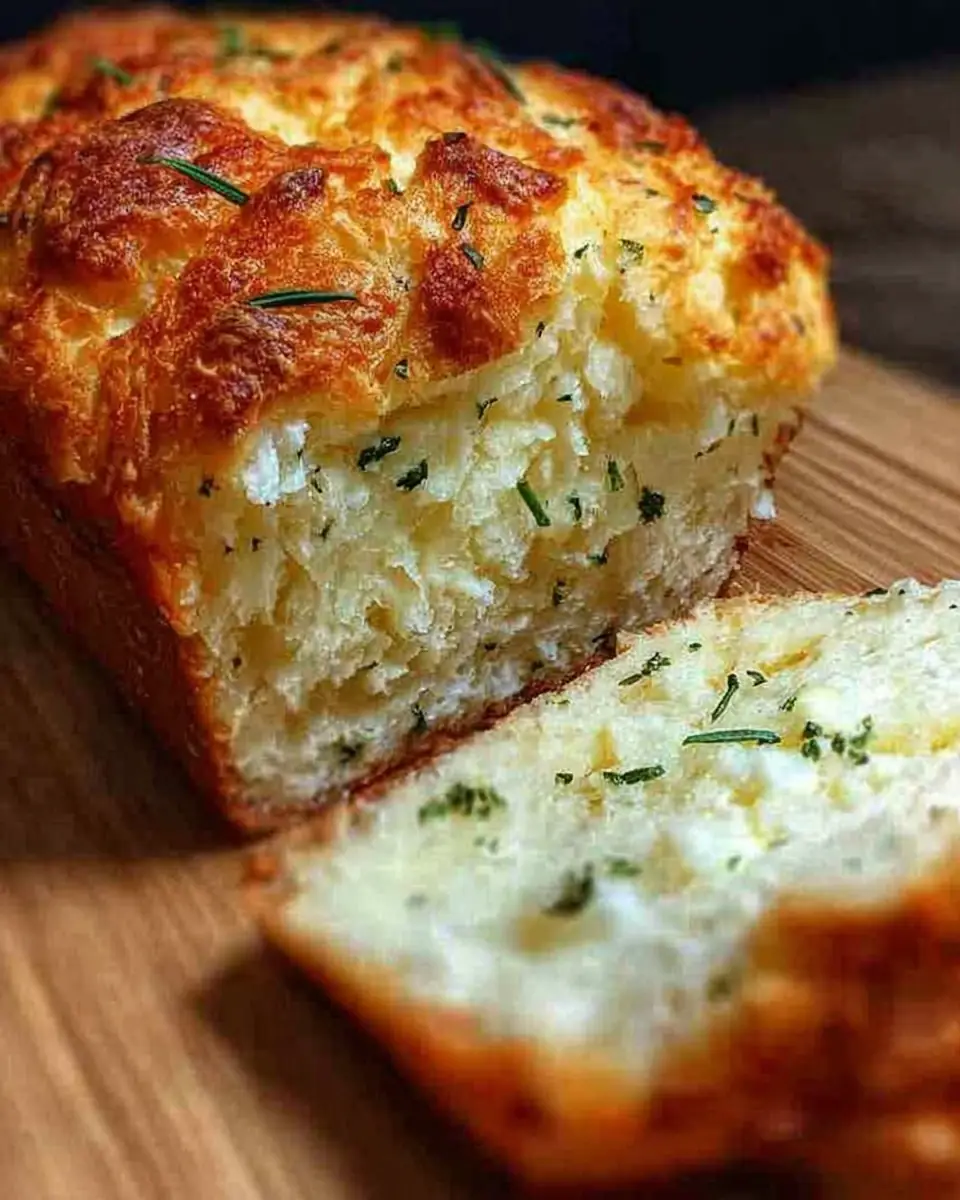
Discover the Magic of Soft & Fluffy Gluten-Free Potato Bread
Bread is a staple in many households, and for those who are gluten intolerant or opting for a gluten-free lifestyle, finding a bread that satisfies both texture and flavor can be a challenge. Enter the Soft & Fluffy Gluten-Free Potato Bread—a culinary revelation that promises to delight your taste buds while catering to dietary needs. This article will delve deeper into the nuances of this recipe, providing insights, tips, and serving suggestions that will elevate your bread-making experience.
The Allure of Potato Bread
Potato bread has long been cherished for its unique texture, which is both moist and tender. The secret lies in the humble potato, which, when incorporated into bread, acts as a natural hydrator. Potatoes are not just a comfort food; they are a powerhouse ingredient that can transform the ordinary into the extraordinary. In gluten-free baking, where achieving the right texture can be tricky, potatoes shine by adding that desired softness and preventing the bread from becoming dry or crumbly.
Potatoes have an inherent ability to retain moisture, which is a boon for gluten-free baking. The natural starches in potatoes work in tandem with other ingredients to create a bread with an airy, soft crumb. This quality makes potato bread an exceptional choice for those who miss the springy, tender bite of traditional wheat bread. Moreover, the subtle earthy flavor of potatoes adds a depth of taste that complements both sweet and savory toppings, making it a versatile choice for any meal.
The Role of Each Ingredient
Understanding the components of this recipe is crucial for achieving the perfect loaf. Here’s a deeper look into the ingredients and their roles:
Mashed Potatoes: Beyond moisture, mashed potatoes contribute to the bread’s structure. The starch in potatoes works similarly to gluten, providing the elasticity and binding necessary for a good rise and soft crumb. The potatoes also add a subtle sweetness and earthiness to the bread, enhancing its overall flavor profile.
Olive Oil: Known for its healthy fats, olive oil enriches the bread’s flavor and ensures a moist crumb. It also adds a subtle richness that complements the potatoes. Olive oil acts as a natural preservative, extending the bread’s shelf life by keeping it from drying out too quickly.
Honey or Sugar: While sugar is a common ingredient in bread for its role in yeast activation and browning, honey adds a unique depth of flavor. Choose according to your preference for sweetness and flavor complexity. Honey imparts a floral note that pairs beautifully with the earthiness of the potatoes, while sugar provides a straightforward sweetness and aids in caramelization during baking.
Salt: This essential seasoning balances the sweetness and enhances the savory notes of the bread, making every bite more flavorful. Salt also strengthens the dough’s structure, helping to regulate the action of the baking powder.
Baking Powder: In the absence of yeast, baking powder is the leavening agent that gives the bread its airy texture. It’s vital for the bread’s rise and fluffiness. Baking powder reacts with moisture and heat to produce carbon dioxide, which helps the bread rise during baking.
Gluten-Free All-Purpose Flour: Selecting the right gluten-free flour blend is crucial. A 1:1 gluten-free baking blend mimics the properties of regular flour, ensuring the bread holds together well while remaining tender. Look for blends that include xanthan gum or guar gum, as these provide the elasticity typically afforded by gluten.
Warm Water: This ingredient brings all the elements together, activating the baking powder and helping dissolve the sugar or honey for an even distribution of flavor. Warm water also helps to soften the flour and other dry ingredients, making it easier to mix the dough.
Garlic Powder (Optional): For those who love a savory twist, garlic powder adds a hint of aromatic flavor without overpowering the bread’s natural sweetness. This optional ingredient can transform the bread into a more savory treat, perfect for pairing with soups and stews.
Detailed Step-by-Step Directions
Crafting this delightful bread involves a series of simple yet precise steps:
1. Prepare the Potatoes
Start by selecting the right type of potato. Starchy varieties like Russets or Yukon Golds are ideal for their ability to mash smoothly. Peel and cut the potatoes into even chunks to ensure uniform cooking. Boil them until they are tender enough to be pierced easily with a fork. Once done, drain and mash them thoroughly, avoiding any lumps that could affect the bread’s texture.
2. Mix the Wet Ingredients
Incorporate olive oil, honey or sugar, and warm water into the mashed potatoes. The goal is to achieve a creamy, well-blended base that integrates the flavors seamlessly. This step lays the foundation for the dough’s consistency and moisture level. The harmonious blend of these ingredients ensures that the bread will have a consistent flavor throughout.
3. Combine Dry Ingredients
In a separate bowl, sift together the gluten-free flour, salt, baking powder, and garlic powder if desired. Sifting ensures that the dry ingredients are evenly distributed and free of lumps, which is particularly important in gluten-free baking. This step helps to aerate the flour, making it easier to mix with the wet ingredients and promoting a lighter loaf.
4. Form the Dough
Gradually fold the dry ingredients into the wet mixture. Stir with a spatula, or, for a more hands-on approach, use your hands to knead the dough until it forms a cohesive, sticky mass. The dough should be soft but manageable, indicating the right balance of moisture. Be careful not to overmix, as this can lead to a dense loaf.
5. Shape & Rise
Prepare your loaf pan by greasing it with a bit of olive oil or lining it with parchment paper. Transfer the dough into the pan, smoothing the top with a spatula. Cover the pan with a clean, damp cloth and allow it to rise in a warm, draft-free area for about 30 minutes. This resting period is essential for the baking powder to fully activate, contributing to the bread’s light and airy quality.
6. Bake
Preheat your oven to 375°F (190°C). Place the loaf in the center of the oven and bake for 35–40 minutes. The top should turn a beautiful golden brown, signaling that the bread is done. Let the bread cool in the pan for a few minutes before transferring it to a wire rack. Cooling is crucial as it allows the bread to set, making it easier to slice without crumbling.
Nutritional Benefits and Considerations
This gluten-free potato bread is not only delicious but also offers a balanced nutritional profile. Each slice contains approximately 150 calories, making it a suitable option for those monitoring their caloric intake. The use of olive oil provides healthy monounsaturated fats, while potatoes offer potassium, vitamin C, and fiber. For those seeking to reduce sugar, honey can be used as a natural sweetener, offering additional antioxidants.
The nutritional benefits extend beyond the basics. Potatoes are an excellent source of resistant starch, which acts as a prebiotic to promote gut health by feeding beneficial bacteria. The fiber in potatoes also aids digestion and can help maintain stable blood sugar levels. Olive oil, renowned for its heart-healthy properties, contributes to the bread’s overall health profile, providing essential fatty acids and antioxidants.
Total Time Commitment
With a preparation time of around 30 minutes and a baking time of 40 minutes, this bread is a relatively quick baking project. In just over an hour, you’ll have a homemade loaf that’s ready to be enjoyed fresh out of the oven. The simplicity and speed of this recipe make it accessible even for novice bakers, allowing anyone to enjoy the benefits of homemade gluten-free bread without a significant time investment.
Serving Suggestions
This versatile bread complements a variety of dishes and can be enjoyed in numerous ways:
Sandwich Base: Use it to make your favorite sandwiches, from classic turkey and cheese to a vegetarian delight with grilled veggies and hummus. The bread’s soft texture holds fillings well without becoming soggy, making it ideal for hearty sandwiches.
Toasted with Spreads: Toast slices and top with butter, jam, or avocado for a delicious breakfast or snack. The slight crispiness of toasted potato bread enhances its flavor, providing a delightful contrast to creamy or sweet spreads.
Soup Companion: Pair it with hearty soups or stews, using the bread to soak up flavorful broths. The bread’s absorbent quality makes it perfect for dipping, allowing you to savor every drop of a rich, savory soup.
Flavorful Bruschetta: Top toasted slices with fresh tomatoes, basil, and a drizzle of balsamic glaze for a simple yet elegant appetizer. The bread’s subtle flavor complements the freshness of the toppings, creating a dish that’s both visually appealing and delicious.
Sweet and Savory French Toast: Dip slices in a mixture of eggs, milk, and a touch of cinnamon before frying for a delightful twist on a classic breakfast. The potato bread’s texture lends itself well to absorbing the egg mixture, resulting in a rich and flavorful French toast.
Tips for Success and Variations
To ensure your bread turns out perfectly every time, consider these additional tips and variations:
Experiment with Flavors: Add herbs like rosemary or thyme to the dough for an aromatic twist. Alternatively, incorporate shredded cheese for a cheesy delight. These variations can add complexity to your bread, making it a unique creation every time.
Storage: Store the bread in an airtight container to maintain its freshness. It can also be frozen for up to a month; just slice it before freezing for easy thawing. To revive the bread after freezing, simply toast or warm it slightly in the oven to restore its soft texture.
Adjusting Sweetness: If you prefer a sweeter bread, increase the honey or sugar slightly. Conversely, reduce it for a more savory loaf. This flexibility allows you to tailor the bread to your taste preferences and dietary needs.
Consistency Check: If the dough feels too dry, add a splash of warm water. If too wet, incorporate a bit more flour until the desired consistency is reached. Adjusting the dough’s consistency is key to achieving the perfect texture in your final loaf.
Creative Additions: Consider adding seeds like sunflower or pumpkin seeds for added crunch and nutrition. Dried fruits such as cranberries or raisins can also be mixed in for a sweet variation. These additions enhance both the flavor and nutritional value of the bread.
Conclusion
Whether you’re gluten intolerant or simply exploring new baking ventures, this Soft & Fluffy Gluten-Free Potato Bread is sure to become a staple in your culinary repertoire. With its tender crumb, rich flavor, and endless serving possibilities, it not only meets dietary needs but also delights the palate. Enjoy the process of crafting this delightful bread, and savor every bite of its soft, flavorful goodness!


Soft & Fluffy Gluten-Free Potato Bread
Enjoy this soft and fluffy gluten-free bread, perfect for sandwiches or as a side with your favorite soup.
- Loaf Pan
Wet Ingredients
- 2 cups mashed potatoes (about 3 medium potatoes; mashed smoothly)
- 60 ml olive oil
- 1 tbsp honey or sugar
- 240 ml warm water
Dry Ingredients
- 2 cups gluten-free all-purpose flour (1:1 baking blend recommended)
- 1 tsp salt
- 2 tsp baking powder
- 1 tsp garlic powder (optional)
- Peel and boil potatoes until fork-tender.
- Drain and mash until completely smooth—no lumps.
- In a large bowl, combine mashed potatoes, olive oil, honey (or sugar), and warm water. Stir until the mixture is creamy and well blended.
- In another bowl, whisk gluten-free flour, salt, baking powder, and garlic powder if using.
- Gradually add the dry ingredients into the wet mixture. Stir until a soft, sticky dough forms. Use a spatula or your hands to mix thoroughly.
- Grease a loaf pan. Transfer dough into the pan and smooth the top. Cover with a clean cloth and let rise in a warm place for 30 minutes.
- Preheat oven to 375°F (190°C). Bake for 35–40 minutes, until golden on top. Cool for 10 minutes before slicing.
This bread is perfect for sandwiches or served with soup. To make it more flavorful, consider adding herbs like rosemary or thyme.