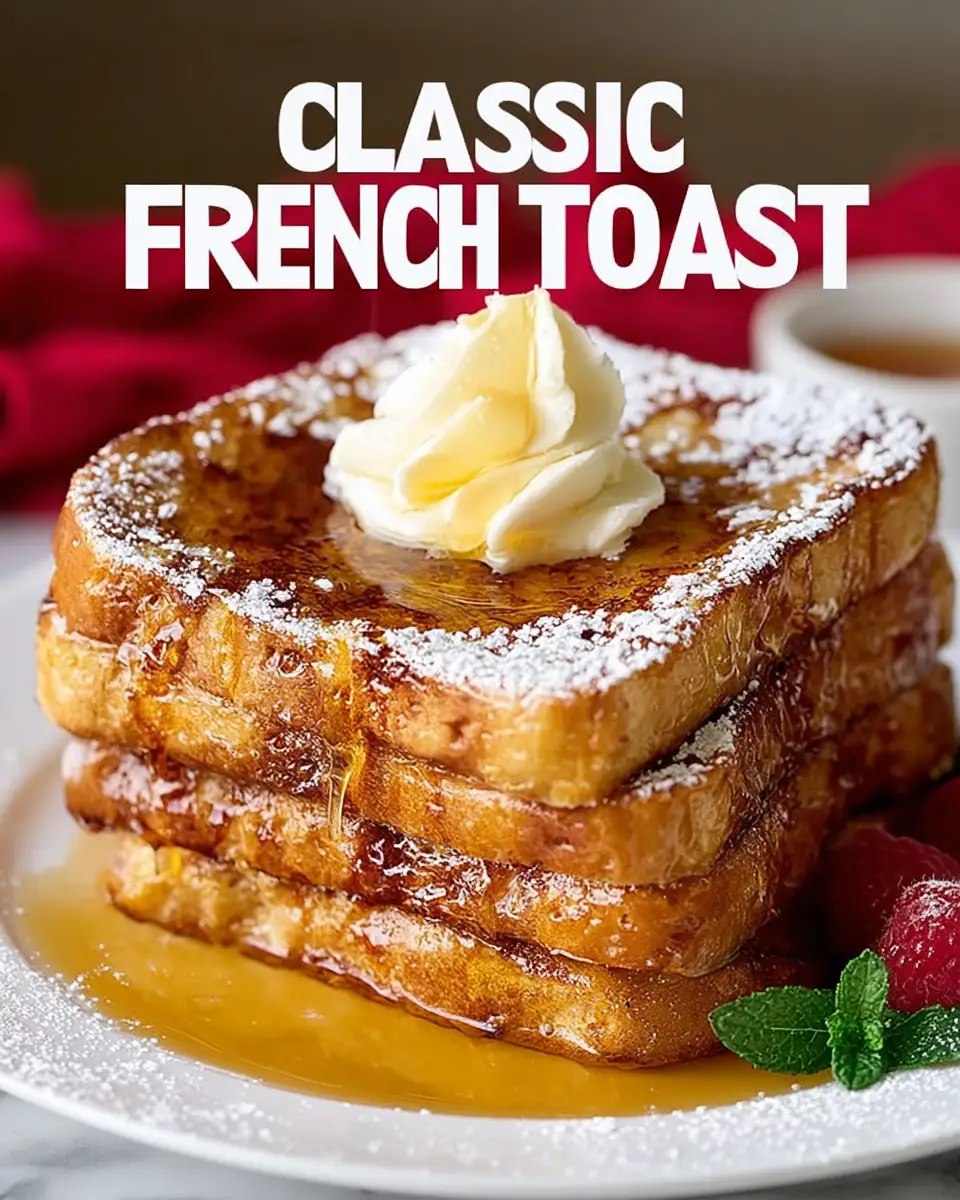
The Art and History of French Toast: More Than Just Breakfast
When we think of French toast, images of golden-brown slices adorned with syrup and powdered sugar instantly pop into mind. Yet, this beloved breakfast dish is much more than its seemingly simple appearance. Its history is rich, its versatility is unmatched, and its appeal is universal. Let’s dive deep into the world of French toast to uncover its origins, explore variations, and discover why it continues to be a cherished dish in households worldwide.
A Brief History of French Toast
The origins of French toast can be traced back to ancient times, long before France as we know it existed. The earliest known reference to a dish akin to French toast dates to a collection of Latin recipes, “Apicius,” from the 4th or 5th century. Known as “Pan Dulcis,” this dish involved soaking bread in a milk and egg mixture, then frying it—a technique remarkably similar to what we use today.
Despite its ancient roots, the dish gained popularity in medieval Europe as a way to utilize stale bread. This economical practice ensured that nothing went to waste, transforming old bread into a luxurious treat. The name “French toast” surfaced in the 17th century and was popularized in England. However, it wasn’t until the dish made its way to America that it cemented its place as a breakfast staple.
The journey of French toast from a utilitarian dish to a breakfast favorite reflects broader historical trends. During the Middle Ages, the scarcity of ingredients made the transformation of stale bread into a palatable dish a necessity. By the time it reached American shores, the abundance of resources allowed for more creative and indulgent variations, turning French toast into a symbol of comfort and luxury.
Variations Across the Globe
Although French toast is a staple in American breakfasts, variations of this dish exist worldwide, each with its unique twist:
Pain Perdu (France): Literally translating to “lost bread,” this version emphasizes the use of stale bread, enhanced with sugar and vanilla, often thicker and richer than its American counterpart. French households might serve it with a sprinkle of cinnamon or a dollop of crème fraîche, turning it into a dessert-like delight.
Arme Ritter (Germany): Meaning “poor knights,” this version is similar to French toast but often includes a dash of rum or brandy in the soaking mixture, adding an extra layer of flavor. It’s not uncommon to find Arme Ritter served with a side of apple compote or sprinkled with nuts, adding a hearty twist to the dish.
Bombay Toast (India): Known for its distinct spice profile, this variation sometimes includes cardamom and is typically served with warm syrup or honey. The Indian version might also be savory, incorporating spices like turmeric and chili for a unique morning kick.
Torrijas (Spain): Traditionally served during Lent, this Spanish version is soaked in wine or milk, then fried and sprinkled with cinnamon sugar, offering a sweet and slightly tangy experience. Served often with a side of custard or drizzled with honey, Torrijas are a festive treat that reflect the rich culinary traditions of Spain.
These variations highlight the adaptability of French toast, showcasing how different cultures have embraced and modified it to suit local tastes and ingredients. Each version tells a story of the region’s history and flavor preferences, giving us a glimpse into the diverse culinary landscape of our world.
Exploring Ingredients
In our classic French toast recipe, we use Butter Bread due to its soft texture and buttery flavor. However, the type of bread can dramatically influence the dish’s final texture and taste:
Brioche: Rich and buttery, brioche adds an extra layer of indulgence, resulting in an ultra-soft center. Its high butter content makes it ideal for absorbing the custard mixture, creating a melt-in-your-mouth experience that is truly decadent.
Challah: This slightly sweet, braided bread absorbs the custard mixture beautifully, offering a chewy yet tender texture. Its airy structure allows for a perfect balance between the crisp exterior and soft interior, making every bite a delight.
Sourdough: For those who prefer a tangier taste, sourdough provides a delightful contrast to the sweetness of the custard, with its robust crust adding texture. The natural fermentation process of sourdough also gives it a unique depth of flavor that pairs well with both sweet and savory toppings.
Moreover, the choice of dairy can alter the dish’s richness. Whole milk is standard, but substituting with cream or plant-based milk like almond or oat can create variations that cater to dietary preferences or restrictions. The type of sweetener, whether it’s traditional sugar, honey, or maple syrup, can also influence the flavor profile of the dish.
The Science Behind Perfect French Toast
Achieving the perfect French toast involves more than just ingredients; it’s about understanding the science behind the cooking process. The key lies in the egg-to-milk ratio, which forms the custard. Eggs are crucial for structure, while milk adds moisture. The ideal balance ensures the toast is neither too soggy nor too dry.
Temperature is another critical factor. Cooking on medium heat allows the bread to cook evenly, forming a crisp exterior while the inside remains soft. Using butter enhances browning due to the Maillard reaction, which occurs when proteins and sugars interact under heat, creating that desirable golden crust.
Timing is equally important. Allowing the bread to soak in the custard for just the right amount of time ensures it absorbs enough liquid to be flavorful without becoming mushy. This balance is what makes French toast a culinary masterpiece, blending art and science in perfect harmony.
Creative Toppings and Pairings
While classic toppings like maple syrup and powdered sugar are always a hit, exploring creative pairings can elevate French toast to new culinary heights:
Fresh Berries and Whipped Cream: The tartness of berries complements the sweetness of the custard, while whipped cream adds a luxurious touch. This combination not only enhances the flavor but also adds a burst of color, making your plate visually appealing.
Nut Butters and Sliced Bananas: For a protein-packed option, spreading almond or peanut butter over the toast, then topping with banana slices, offers a nutritional boost. The creamy texture of the nut butter paired with the softness of bananas creates a satisfying mouthfeel.
Savory Options: A sprinkle of cheese and a poached egg can transform French toast into a savory delight, perfect for those who prefer less sweetness. Adding herbs like chives or parsley can enhance the savory profile, making it a versatile brunch option.
Pairing French toast with beverages like freshly brewed coffee, orange juice, or even a mimosa can complete the breakfast experience, making it a meal to savor. The richness of the dish pairs well with the acidity of citrus juices or the robustness of coffee, creating a balanced meal that satisfies all the senses.
Nutritional Insights and Customizations
While our classic French toast recipe provides a nutritional breakdown, it’s worth noting that modifications can cater to various dietary needs:
Low-Calorie Option: Use egg whites instead of whole eggs and skim milk to reduce calories and fat. Incorporating fresh fruit as a topping instead of syrup can also lower the calorie count while adding vitamins and fiber.
Gluten-Free: Substitute regular bread with gluten-free options to accommodate dietary restrictions. Many gluten-free breads are now available, made from rice, almond, or coconut flour, ensuring that everyone can enjoy this classic dish.
Vegan Adaptation: Replace eggs with a mixture of almond milk and ground flaxseed or chia seeds, which act as a binding agent. Coconut milk or soy milk can be used for a creamy texture, and agave syrup can replace honey for a plant-based sweetener.
These customizations ensure that everyone, regardless of dietary preference, can enjoy French toast. With a bit of creativity, French toast can be adapted to fit any lifestyle, proving that delicious food can also be inclusive and health-conscious.
Final Thoughts: A Dish for All Occasions
French toast is more than a breakfast option; it’s a versatile dish suitable for any meal or occasion. Whether served as a comforting breakfast in bed, a festive brunch centerpiece, or a late-night snack, it embodies warmth and indulgence. The simple act of transforming bread, eggs, and milk into something extraordinary speaks to the magic of cooking—a universal language that brings people together.
Incorporate French toast into your culinary repertoire and experiment with its endless possibilities. Whether sticking to tradition or venturing into new flavors, French toast remains a timeless delight, cherished by generations and loved by all. Enjoy creating your version of this classic dish and share it with those you love—because, after all, food is best when shared.
As culinary trends evolve, French toast continues to adapt, proving its enduring appeal. From its humble beginnings as a way to use stale bread to its current status as a brunch staple, French toast remains a testament to the creativity and adaptability of cooks worldwide. So next time you prepare this iconic dish, take a moment to appreciate the rich history and global influences that have shaped it into the beloved treat we enjoy today.


Classic French Toast

This Classic French Toast Recipe is a delicious and easy breakfast treat, perfect for any morning.
- Griddle
French Toast Mixture
- 4 eggs
- 125 ml milk (or 2%)
- 1 tbsp sugar
- 1 tsp vanilla extract
- 0.5 tsp ground cinnamon (divided)
- 1 pinch salt
- 10 Butter Bread
- 2 tbsp butter (for cooking)
- Whisk together the eggs, milk and sugar in a shallow dish until the mixture has no spots of egg yolk or egg white. You want the mixture to be a solid pale yellow color. Whisk in the vanilla, HALF of the ground cinnamon and salt.
- Heat a griddle over medium heat and melt 1 tbsp of butter on griddle. Very quickly dip a piece of bread into the egg mixture to coat each side and place on the hot griddle. Let cook for 2 to 3 minutes, until golden brown, then flip and cook until golden brown.
- Repeat with the rest of the bread, making sure to add the rest of the cinnamon to the egg mixture once halfway through cooking the french toast.
- If desired, keep the french toast warm in a preheated 200 degree oven until ready to serve. Enjoy!
For a richer flavor, consider using brioche bread instead of butter bread. Serve with maple syrup or fresh fruit for added sweetness.