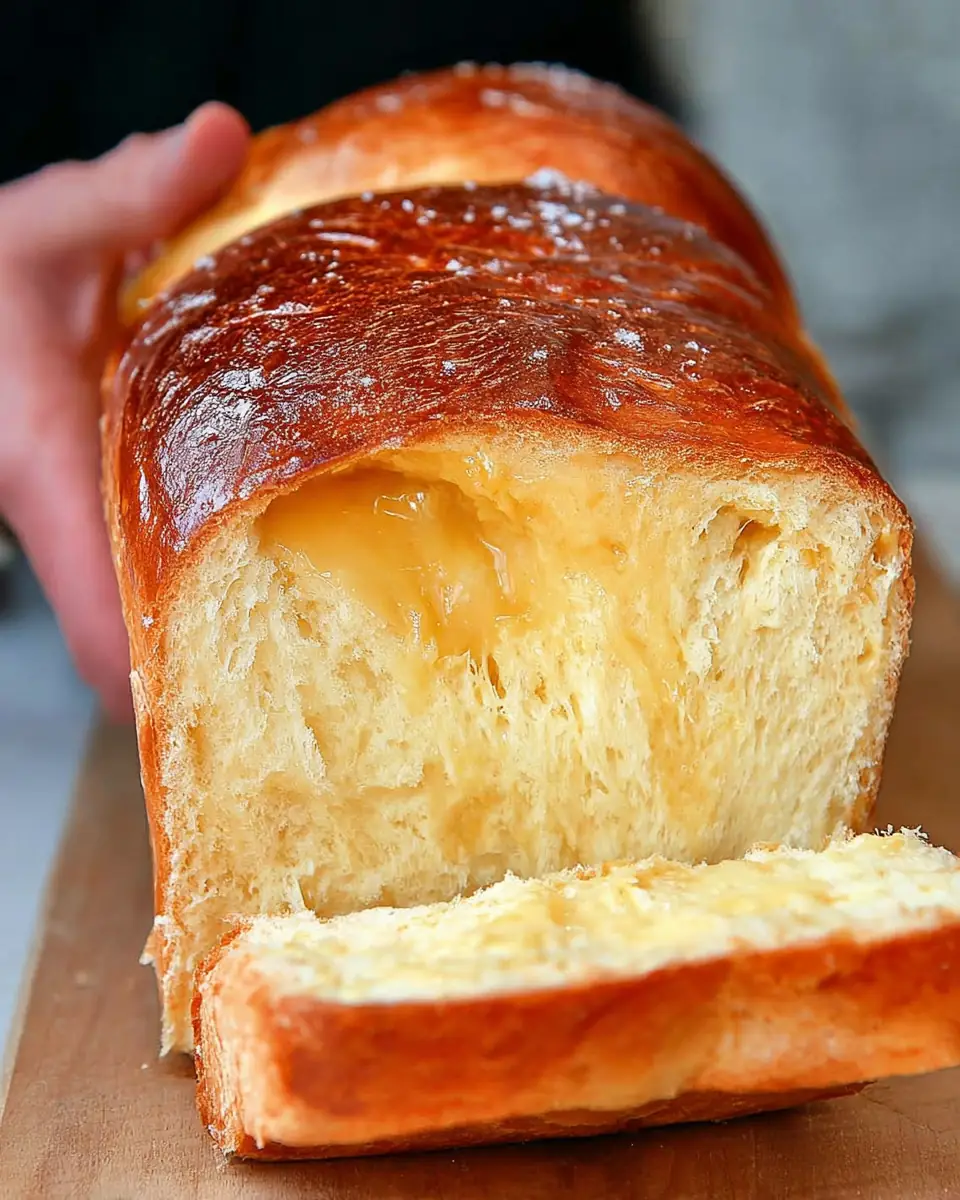
Easy Homemade Brioche Bread Recipe: A Delightful Baking Journey
There’s nothing quite like the aroma of freshly baked brioche wafting through your home. This classic French bread, known for its rich, tender crumb and golden crust, can transform a simple breakfast or brunch into something extraordinary. Today, we’re diving into the art of making Easy Homemade Brioche Bread, a recipe that promises both simplicity and sophistication, perfect for novice bakers and seasoned pros alike.
Why You’ll Love This Recipe
Brioche is a versatile bread, perfect for sweet or savory dishes. Whether you’re crafting a decadent French toast or a gourmet sandwich, this brioche recipe will elevate your meal to a new level. With straightforward steps and common ingredients, you can create bakery-quality brioche at home without the intimidation factor.
Ingredients
Before we jump into the process, let’s gather our ingredients:
- 12.4 oz flour: You can use all-purpose flour, bread flour, or a 50:50 combination for the perfect balance of texture and structure.
- 1/4 cup heavy cream: Adds richness to the dough, enhancing the brioche’s signature soft crumb.
- 1 large egg: Essential for binding and enriching the dough.
- 1 tsp salt: Balances the flavors.
- 2/3 cup milk: Contributes to the dough’s moisture and softness.
- 2 Tbsp unsalted butter: Provides flavor and tenderness.
- 3 Tbsp sugar: Adds a touch of sweetness.
- 1/4 oz active dry yeast: The key to the bread’s rise; typically one packet.
- 1 Tbsp milk + 1 egg: For the egg wash, delivering a shiny, golden crust.
Directions
Step 1: Activate the Yeast
Begin by melting the butter in the microwave in 10-15 second increments or over a double boiler. In a mixing bowl, combine the melted butter, milk, sugar, and yeast. Allow the mixture to sit for 5 minutes, giving the yeast time to activate. If you’re using instant yeast, you can skip this activation step.
Step 2: Make the Dough
Incorporate the yeast mixture with flour, salt, egg, and cream in a bowl. Mix until a sticky dough forms. Knead the dough until it becomes smooth and tacky. By hand, this can take 15-20 minutes, while a stand mixer with a dough hook can achieve the same in 10-12 minutes. The dough is ready when it lifts cleanly from the bowl.
Step 3: Leave the Dough to Rise
Proof the dough by leaving it in a warm location, covered with plastic wrap or a kitchen towel, for about an hour. If your environment is cooler, preheat your oven to its lowest setting, turn it off, and let the dough rise inside for 30-60 minutes until it doubles in size.
Meanwhile, prepare your loaf tin by greasing it with oil, butter, or cooking spray.
Step 4: Shape the Loaf
Turn the risen dough onto a lightly floured surface and divide it into four equal pieces. Flatten each piece into a rectangle that’s slightly wider than your loaf tin. Fold in the edges and roll it up to shape each piece. For creative variations, consider shaping them into a Nantaise loaf, braided loaf, or dinner rolls.
Step 5: Second Proofing
Arrange the rolled dough pieces in the loaf tin. Brush with milk or water to prevent drying, and let rise for another 30 minutes or until doubled. This second proofing is crucial for achieving a fluffy brioche. Test readiness by gently poking the dough; it should bounce back slightly. Preheat your oven to 350ºF/175ºC towards the end of this proofing time.
Step 6: Bake the Brioche
Brush the dough with an egg wash for a glossy finish. Bake at 350ºF/175ºC for 25-30 minutes until the loaf is golden brown and puffed. If the top browns too quickly, cover with foil or place a baking sheet on a rack above. Once baked, let the brioche cool on a wire rack before slicing.
Storage Tips

- Store your brioche in an airtight container for 3-4 days. For longer preservation, refrigerate for up to a week.
- Freeze the bread by wrapping it tightly in foil and placing it in a freezer-safe bag. It keeps well for up to 2 months. To thaw, leave it in the fridge overnight or microwave briefly to avoid density.
Nutritional Information
Each serving of this brioche offers: – Calories: 251 kcal – Carbohydrates: 40 g – Protein: 6 g – Fat: 7 g – Saturated Fat: 4 g – Cholesterol: 40 mg – Sodium: 336 mg
Total Time
From start to finish, this brioche takes about 2 hours and 20 minutes, including both preparation and baking time.
The Cultural Significance of Brioche
Brioche has a rich history that dates back to medieval France. Originally, it was considered a bread of the elite due to its rich ingredients like butter and eggs, which were expensive and not accessible to the common populace. Over time, brioche became more widespread, especially as baking techniques improved and ingredients became more affordable. Today, brioche is cherished worldwide and is a staple in French bakeries and households, symbolizing comfort and tradition.
The Evolution of Brioche
The journey of brioche from a luxury item to a beloved staple is a fascinating one. During the French Revolution, many ingredients that were once considered luxurious became more commonly available, leading to the democratization of foods like brioche. As industrialization progressed, the mass production of butter and flour further cemented brioche’s place in everyday cuisine. Each region of France now boasts its own variations, from the Parisian brioche with its characteristic topknot to the sugared brioche of Lyon.
Tips for Perfect Brioche
Choose the Right Flour
The type of flour you use can significantly affect the texture of your brioche. Bread flour, with its higher protein content, will yield a slightly chewier texture, while all-purpose flour will give you a softer crumb. A mix of the two can offer the best of both worlds, providing structure without sacrificing the bread’s tender quality.
The Role of Temperature
Temperature plays a crucial role in baking brioche. Yeast is a living organism that’s sensitive to temperature. Too hot, and you risk killing the yeast; too cold, and it won’t activate properly. Aim for a warm, draft-free environment for proofing. If your kitchen is too cold, try placing the dough in a slightly warm (but off) oven or near a warm appliance.
The Importance of Kneading
Kneading develops the gluten network within the dough, providing the structure necessary to trap the gases produced by the yeast. This process is crucial for a light and airy loaf. If you’re kneading by hand, use the heel of your hand to push and fold the dough repeatedly, ensuring it becomes smooth and elastic.
Mind the Proofing Time
Over-proofing can lead to a bread that collapses, while under-proofing might result in a denser loaf. The first proof should allow the dough to double in size, which typically takes about an hour in a warm environment. The second proof, occurring after shaping, should also show a noticeable rise, ensuring a light crumb.
Understanding and Adjusting Hydration
The hydration level of your dough impacts its texture and rise. The liquid-to-flour ratio in brioche is relatively high, contributing to its soft crumb. However, humidity can affect the amount of liquid needed. Start with the recipe’s measurements and adjust by feel if necessary. The dough should be tacky but not overly sticky.
Creative Variations
Sweet Brioche
To make a sweet version of brioche, consider adding ingredients such as chocolate chips, dried fruits, or nuts to the dough. You can also incorporate spices like cinnamon or cardamom for an aromatic twist. After baking, drizzle the loaf with a glaze made from powdered sugar and milk for a dessert-like treat.
Savory Brioche
For a savory take, integrate ingredients such as grated cheese, herbs, or cooked bacon bits into the dough. This variation pairs beautifully with soups and stews or can be used to create gourmet sandwiches. Consider topping the loaf with seeds like sesame or poppy for added flavor and texture.
Brioche Rolls and Buns
Transform your brioche dough into individual rolls or buns. This variation is perfect for serving at gatherings or as burger buns. Shape the dough into small balls and place them on a baking sheet for proofing. These rolls can be flavored with garlic butter or topped with coarse sea salt for an added dimension.
Serving Suggestions
Brioche’s versatility shines in its serving options. For breakfast, serve it toasted with butter and jam or transform it into French toast, utilizing its rich, eggy nature to absorb custard and develop a crisp outer layer. For lunch or dinner, brioche makes an excellent base for sandwiches, pairing well with both delicate and robust fillings. Consider using it as a bun for burgers or as a base for an open-faced tartine topped with avocado or smoked salmon.
Pairing Brioche with Beverages
The rich and buttery nature of brioche pairs wonderfully with a variety of beverages. For breakfast, a steaming cup of coffee or a frothy cappuccino complements the bread’s subtle sweetness. In the afternoon, a glass of cold milk or a light tea can balance the richness of the brioche. If you’re serving brioche as part of a savory meal, consider pairing it with a crisp white wine or a light beer to enhance the flavors.
Conclusion: Embrace the Art of Brioche Baking
Embark on this delightful baking journey and enjoy the fruits of your labor with a slice of warm, buttery brioche. Whether enjoyed plain, with a spread of your favorite jam, or as the base for a gourmet sandwich, this Easy Homemade Brioche Bread recipe is sure to become a household favorite. The process of brioche baking is not just about creating a loaf of bread; it’s about embracing a tradition that has been cherished for centuries. Happy baking!


Easy Homemade Brioche Bread

This delightful brioche bread is perfect for any occasion, with a soft and fluffy texture that can be enjoyed at breakfast or as a snack.
- Loaf Tin
Brioche Ingredients
- 350 g flour (all-purpose flour, bread flour, or a 50:50 combination)
- 60 ml heavy cream (double cream)
- 1 egg (large)
- 1 tsp salt
- 160 ml milk
- 30 g butter (unsalted)
- 45 g sugar
- 7 g active dry yeast (usually 1 individual packet)
- 15 ml milk (for brushing)
- 1 egg (for egg wash)
- Melt the butter either in the microwave in 10-15 second increments or over a double boiler.
- Combine the butter, milk, sugar, and yeast and set aside for 5 minutes for the yeast to activate.
- Mix the yeast mixture, flour, salt, egg, and cream into a bowl and mix into a sticky dough.
- Knead the dough until smooth and tacky, either by hand or using a stand mixer.
- Let the dough rise in a warm place for about 1 hour, covered with plastic wrap or a kitchen towel.
- Prepare your loaf tin by greasing it with a little oil, butter, or cooking spray.
- Transfer the risen dough to a lightly floured surface and cut into 4 equal pieces.
- Flatten each piece and roll it up to fit your loaf tin.
- Arrange the four pieces into the tin and brush with milk. Let it rise again for 30 minutes.
- Preheat the oven to 350ºF/175ºC.
- Brush the top of the dough with egg wash and bake for 25-30 minutes until golden brown.
- Allow to cool fully on a wire rack before slicing or tearing.
Store brioche in an airtight container for up to 3-4 days or freeze for up to 2 months. For the best results, ensure the dough is proofed adequately in a warm environment.