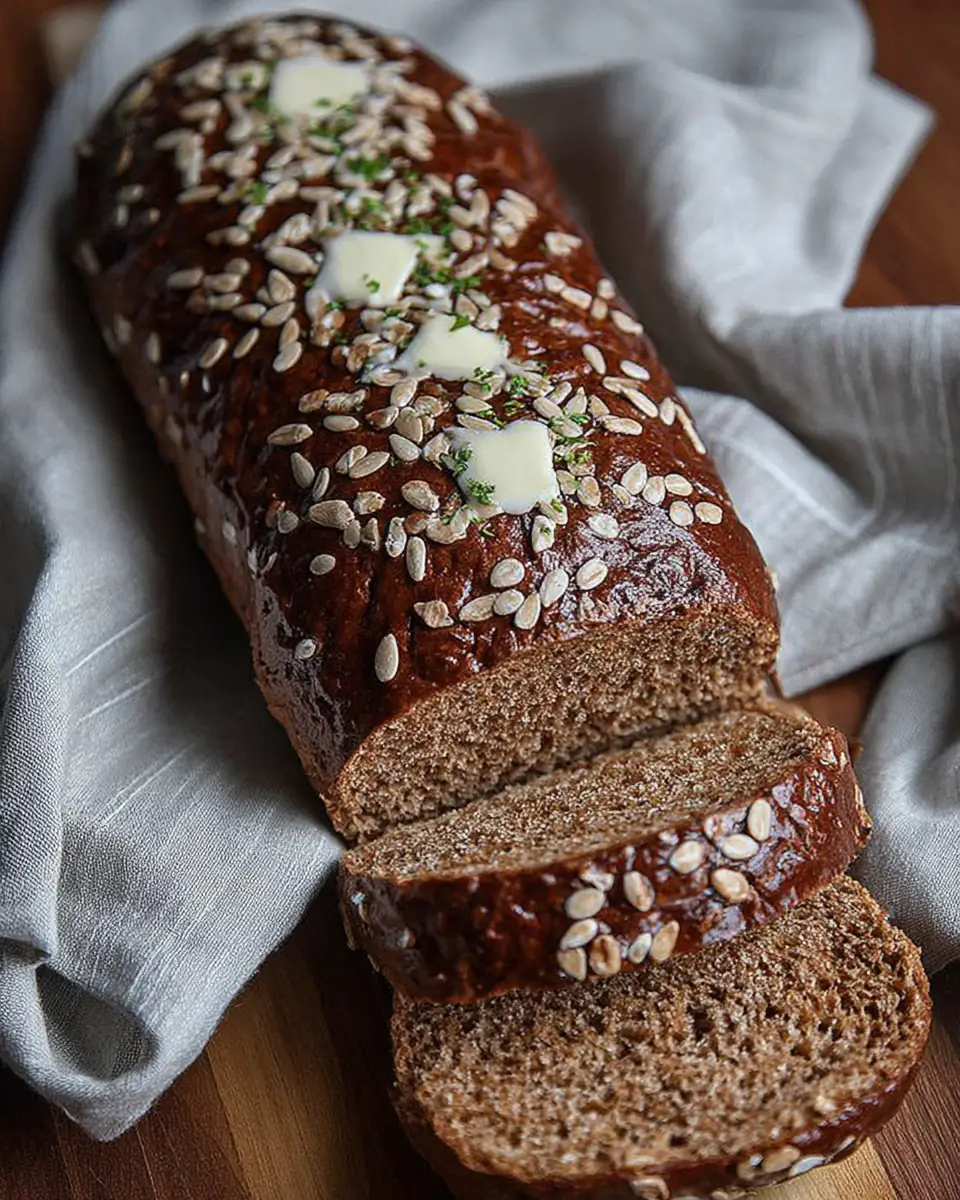
Recreate the Cheesecake Factory Experience at Home: Brown Bread Recipe
If you’ve ever dined at the Cheesecake Factory, you know that their iconic brown bread is a must-try. Its rich, slightly sweet flavor and soft, satisfying texture make it an irresistible starter, often leaving diners asking for seconds. Now, you can recreate this beloved treat in your own kitchen with this comprehensive recipe. This brown bread is perfect for any occasion, from a simple snack to an elegant dinner accompaniment. Follow along to bring this restaurant favorite into your home.
Ingredients
Before you begin, gather the following ingredients to ensure a smooth baking process:
- 320 g water (1.5 cups)
- 70 g honey (1/4 cup)
- 60 g molasses (4 tbsp)
- 50 g dark brown sugar (1/2 cup)
- 20 g cocoa powder (3 tbsp)
- 10 g salt (0.5 tbsp)
- 250 g whole wheat flour (2 cups)
- 300 g bread flour (2 1/4 cups)
- 2 tbsp room temperature butter
- 15 g yeast (3 tsp)
- Optional: Rolled oats for topping
Directions
Step 1: Prepare the Wet Ingredients
Begin by preparing the wet ingredients. In a large mixing bowl, combine the water, honey, molasses, dark brown sugar, and cocoa powder. Stir well to ensure that the sugar and cocoa powder are fully dissolved. This mixture not only provides the flavorful base for your brown bread but also contributes to its signature dark color and subtle sweetness.
Step 2: Incorporate Dry Ingredients
Next, add the whole wheat flour, bread flour, and salt to the wet mixture. Stir until the ingredients are thoroughly combined, forming a cohesive dough. This step is crucial for building the structure of your bread. The combination of whole wheat and bread flour offers a balance of hearty texture and strength, essential for the bread’s rise and chewiness.
Step 3: Knead the Dough
Once your dough is combined, it’s time to knead in the butter. If you’re kneading by hand, be prepared for a workout that lasts about 20 minutes. Alternatively, if you’re using a stand mixer, let it do the heavy lifting for 8-10 minutes. The goal is to achieve a smooth, elastic dough that is well-integrated with the butter. Kneading develops the gluten network, which gives the bread its structure and ability to hold gas produced by the yeast, resulting in a nice rise.
Step 4: First Rise
Place the dough in a closed container and allow it to rise until it doubles in size. This can take up to two hours due to the enriched nature of the dough. Patience is key here, as this rise will contribute to the bread’s fluffy texture. This stage is often referred to as “proofing,” and it’s where the yeast ferments the sugars in the dough, releasing carbon dioxide and causing the dough to expand.
Step 5: Shape the Loaves
Once the dough has risen, divide it into four equal portions. Roll each portion into a rectangle approximately 8 inches wide. Then, tightly roll each rectangle into a loaf, pinching the ends and sealing the seam underneath to maintain its shape during baking. This step ensures that the bread maintains an even shape and texture, crucial for even baking.
Step 6: Second Rise
Place two loaves on each baking sheet and cover them with a damp towel. Allow the loaves to rise until doubled in size. This final proofing step is crucial for achieving the right texture and volume in your bread. The second rise enhances the flavor and makes the bread lighter and fluffier.
Step 7: Baking
Preheat your oven to 350°F (175°C). Before baking, sprinkle oats on top of each loaf for added texture and visual appeal. The oats not only provide a rustic look but also a pleasant crunch that contrasts with the soft bread. Bake the loaves for approximately 20 minutes. Since it can be challenging to visually determine when this type of bread is done, check the bottoms of the loaves. If they are darkening, it’s time to remove them from the oven. The oats on top will also begin to look toasty, indicating doneness.
Step 8: Cool and Enjoy
Allow the loaves to cool for about 20 minutes before slicing. This cooling period helps the bread set and makes slicing easier. Serve your homemade Cheesecake Factory Brown Bread with a pat of butter for an authentic experience. The cooling time is crucial as it allows the interior of the bread to finish cooking and sets the crumb structure, making it easier to slice without compressing the loaf.
Tips for Success
- Measure Ingredients Accurately: Precision is key in baking, so consider using a kitchen scale for exact measurements. Even slight deviations can affect the texture and flavor of your bread.
- Control the Temperature: Ensure your water is at room temperature to activate the yeast effectively. If the water is too hot, it can kill the yeast; too cold, and the yeast won’t activate properly.
- Be Patient: Both rises are essential for developing the bread’s flavor and texture, so give the dough ample time to rise. Rushing this process can result in a denser loaf.
Understanding the Ingredients
The unique combination of ingredients in this recipe is what gives the Cheesecake Factory’s brown bread its signature taste and texture. Let’s delve into the role each component plays:
- Whole Wheat Flour: Provides a hearty texture and nutty flavor, enhancing the bread’s nutritional profile.
- Bread Flour: Contains more protein than all-purpose flour, which helps in building a strong gluten network needed for the bread’s structure.
- Molasses and Honey: These natural sweeteners impart a complex sweetness and contribute to the bread’s deep color. Molasses also adds moisture and a subtle earthiness.
- Cocoa Powder: Adds depth of flavor and color, creating a richer taste without overpowering sweetness.
- Dark Brown Sugar: Offers a caramel-like sweetness and helps with the bread’s soft texture.
- Yeast: The leavening agent that causes the dough to rise, creating a light and airy texture.
- Butter: Adds richness and moisture, contributing to the bread’s soft crumb.
- Salt: Enhances flavor and strengthens the gluten structure.
Pairing Suggestions
This brown bread isn’t just a standalone treat; it pairs wonderfully with a variety of dishes and spreads:
- Savory Pairings: Serve alongside a hearty soup or stew for a comforting meal. Its sweetness balances well with savory dishes, making it a versatile addition to any dinner table.
- Sweet Pairings: Spread with cream cheese or fruit preserves for a delightful breakfast or snack.
- Cheese Board: Include slices of this bread in a cheese platter; its sweetness complements a range of cheeses, particularly sharp cheddars and creamy bries.
Storing and Freezing
To maintain the freshness of your homemade brown bread, store it in an airtight container at room temperature for up to three days. For longer storage, consider freezing the loaves. Wrap them tightly in plastic wrap, followed by a layer of aluminum foil, and they can be frozen for up to three months. To serve, thaw at room temperature and warm in the oven for a few minutes to restore the fresh-baked texture.
Troubleshooting Common Issues
- Dense Texture: If your bread turns out denser than expected, it may be due to insufficient kneading or not allowing enough time for the dough to rise. Ensure you give the dough enough time and kneading to develop a good gluten structure.
- Flat Loaves: This can result from over-proofing, where the dough rises too much and collapses. Keep a close eye during the second rise to prevent over-proofing.
- Crumbly Texture: If the bread is crumbly, it may be due to too much flour or not enough liquid. Ensure accurate measurements and adjust as necessary based on dough consistency.
The Science Behind the Bread
Understanding the science behind bread-making can elevate your baking skills and help you troubleshoot any issues. The process of making bread involves a series of complex chemical reactions, primarily centered around the role of yeast and gluten.
Yeast Fermentation
Yeast is a living organism that feeds on sugars in the dough. During fermentation, yeast produces carbon dioxide and alcohol as by-products. The carbon dioxide gets trapped in the dough’s gluten network, causing the bread to rise. The alcohol evaporates during baking, leaving behind a rich flavor.
Gluten Development
Gluten, a protein found in wheat flour, forms a network that gives bread its structure. Kneading helps align gluten strands, strengthening this network. This is why kneading is emphasized in the recipe; it ensures your bread has the right texture and can hold the gases produced during fermentation.
Role of Sugar and Fats
Sugars in the recipe, like honey and molasses, not only add sweetness but also serve as food for the yeast, enhancing fermentation. Fats, like butter, coat gluten strands, making the bread tender and soft by interrupting gluten formation slightly. This balance between structure and tenderness is key to achieving the perfect loaf.
Cultural and Historical Context
Brown bread has a rich history and cultural significance that extends beyond the Cheesecake Factory. Traditionally, brown bread was a staple in many cultures due to its use of whole grains, which were more affordable and readily available than refined white flour. Its hearty texture and robust flavor made it a favorite among working-class families.
In modern times, brown bread has seen a resurgence due to its perceived health benefits. Whole grains are rich in fiber, vitamins, and minerals, making them a popular choice for health-conscious consumers. The addition of ingredients like molasses and cocoa powder in this recipe harks back to traditional bread-making practices where sweeteners and flavor enhancers were used to improve taste and shelf life.
Making It Your Own
One of the joys of home baking is the ability to customize recipes to suit personal tastes. Here are some ways you can tweak this brown bread recipe:
- Add Seeds: Incorporate flaxseeds, sunflower seeds, or chia seeds into the dough for added texture and nutritional benefits.
- Dried Fruits: For a sweet twist, add raisins or dried cranberries to the dough.
- Spices: Consider adding a pinch of cinnamon or nutmeg to enhance the flavor profile of the bread.
This Cheesecake Factory Brown Bread recipe allows you to enjoy a taste of the restaurant’s renowned bread in the comfort of your own home. With its signature sweetness and soft texture, it’s sure to become a favorite in your household. Share it with friends and family, and relish the satisfaction of baking a restaurant classic from scratch. Happy baking!
Cheesecake Factory Brown Bread

Recreate the famous Cheesecake Factory Brown Bread at home with this detailed recipe.
- Stand Mixer
Wet Ingredients
- 320 g water (lukewarm)
- 70 g honey
- 60 g molasses
- 50 g dark brown sugar
- 20 g cocoa powder
- 10 g salt
Dry Ingredients
- 250 g whole wheat flour
- 300 g bread flour
- 15 g yeast
Additional Ingredients
- 2 tbsp room temperature butter
- Start by adding all the wet ingredients including the cocoa powder, water, honey, molasses, yeast, and brown sugar.
- Next add your flours and salt.
- Once the dough is combined, knead the butter into the dough either by hand or using a hand mixer.
- Let it sit and rise until doubled in a closed container. This can take up to two hours.
- Once it has risen, divide it into 4 equal balls. Roll each out into a rectangle approximately 8 inches wide.
- Roll it up and pinch the ends together. Make sure the end of the roll is sealed underneath the loaf.
- Place two on each baking sheet and cover them with a damp towel. Let them rise until doubled.
- Sprinkle oats on the top and place them in a preheated 350 degree oven.
- Bake for approximately 20 minutes. Check the bottom of the bread and if it is getting dark, it is time to remove it from the oven.
- Remove from the oven and allow them to cool for 20 minutes before cutting and enjoying.
Enjoy this bread with a pat of butter. It pairs well with soups and stews. You can substitute the dark brown sugar with regular brown sugar if needed.