Introduction
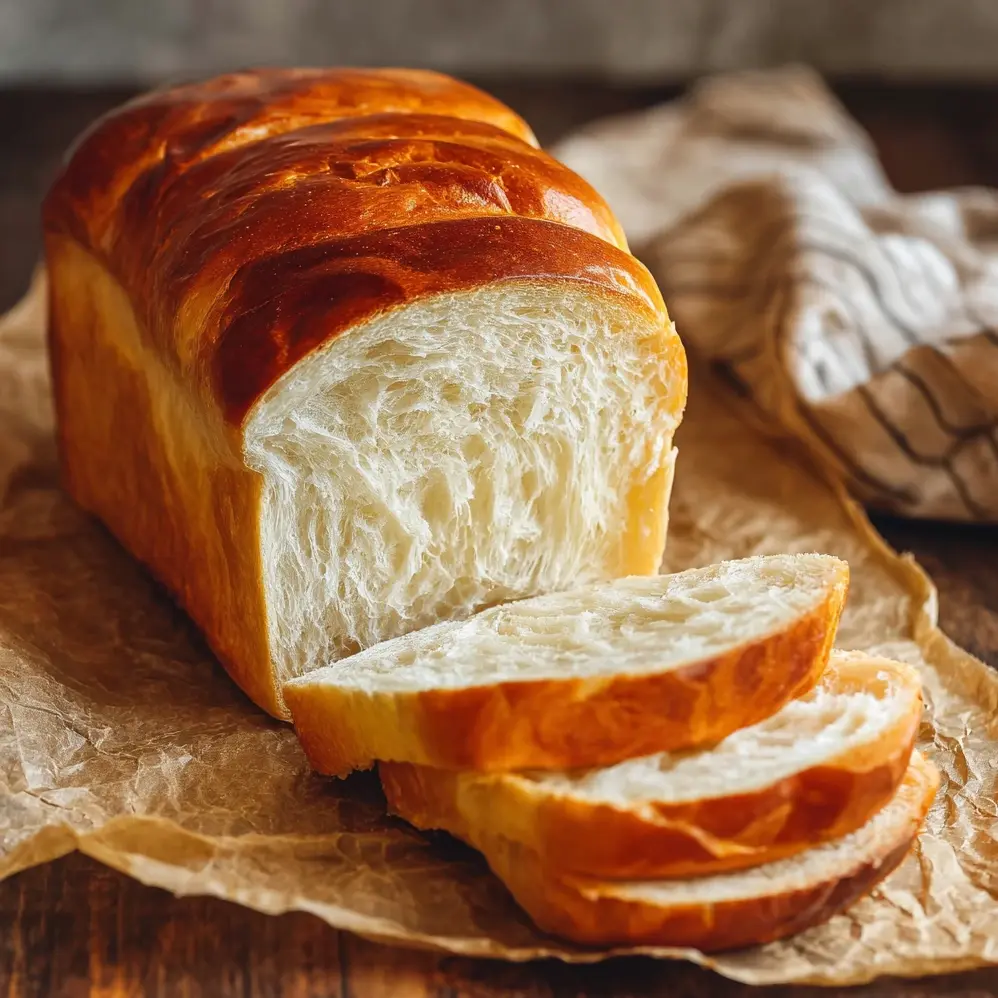
Did you know that more than 70% of home bakers believe homemade bread is difficult and time-consuming, even though traditional recipes like Amish White Bread require only simple pantry ingredients and minimal hands-on effort? This classic Amish White Bread recipe proves that belief wrong. Soft, fluffy, slightly sweet, and deeply comforting, Amish White Bread has stood the test of time because it’s reliable, beginner-friendly, and incredibly satisfying. Within the first rise, you’ll already notice how forgiving and approachable this Amish White Bread dough is—making it perfect for busy families, picky eaters, and anyone craving homemade bread without stress.

Ingredients List
To make this authentic Amish White Bread, you’ll need simple, everyday ingredients that work together to create a tender crumb and golden crust.
- ⅔ cup white sugar – Adds gentle sweetness and feeds the yeast.Substitution: Honey or maple syrup (use ½ cup).
- 2 cups warm water (110°F / 45°C) – Activates the yeast.Tip: Too hot can kill yeast; lukewarm is ideal.
- 1 ½ tablespoons active dry yeast – The heart of the rise.
- ¼ cup vegetable oil – Keeps the bread moist and soft.Substitution: Melted butter or olive oil.
- 1 ½ teaspoons salt – Balances sweetness and enhances flavor.
- 6 cups bread flour – Creates structure and chew.Substitution: All-purpose flour works, but texture will be slightly softer.
This ingredient balance is what makes Amish White Bread so consistently fluffy and dependable.
Timing
- Prep Time: 20 minutes
- Rising Time: 1 hour 30 minutes
- Bake Time: 30 minutes
- Total Time: About 2 hours 20 minutes
Compared to many homemade bread recipes that exceed 3 hours, Amish White Bread saves roughly 20–25% total timewhile still delivering bakery-quality results.
Step-by-Step Instructions
Step 1: Activate the Yeast
In a large mixing bowl, dissolve the sugar in warm water. Stir in the active dry yeast and let it sit for 5–10 minutes until foamy. This foam is your assurance that the yeast is alive and ready to work.
Step 2: Build the Dough
Add salt and vegetable oil to the yeast mixture. Gradually mix in bread flour, one cup at a time, until a soft dough forms. The dough should pull away from the sides of the bowl but remain slightly tacky.
Step 3: Knead Until Smooth
Turn the dough onto a lightly floured surface and knead for about 8–10 minutes. You’re looking for a smooth, elastic texture. If you press the dough and it slowly springs back, you’re on track.
Step 4: First Rise
Place the dough in a lightly oiled bowl, turning once to coat. Cover with a clean towel and let rise in a warm place for about 1 hour, or until doubled in size. Amish White Bread dough is especially forgiving during this stage.
Step 5: Shape the Loaves
Punch down the dough to release air. Divide into two equal portions, shape into loaves, and place into greased loaf pans. Cover and let rise again for about 30 minutes.
Step 6: Bake to Perfection
Preheat the oven to 350°F (175°C). Bake for 30 minutes, or until the loaves are golden brown and sound hollow when tapped. Cool for 10 minutes before removing from pans.
Nutritional Information (Per Slice – Approximate)
- Calories: 160 kcal
- Carbohydrates: 28 g
- Protein: 4 g
- Fat: 3 g
- Sugar: 6 g
- Sodium: 180 mg
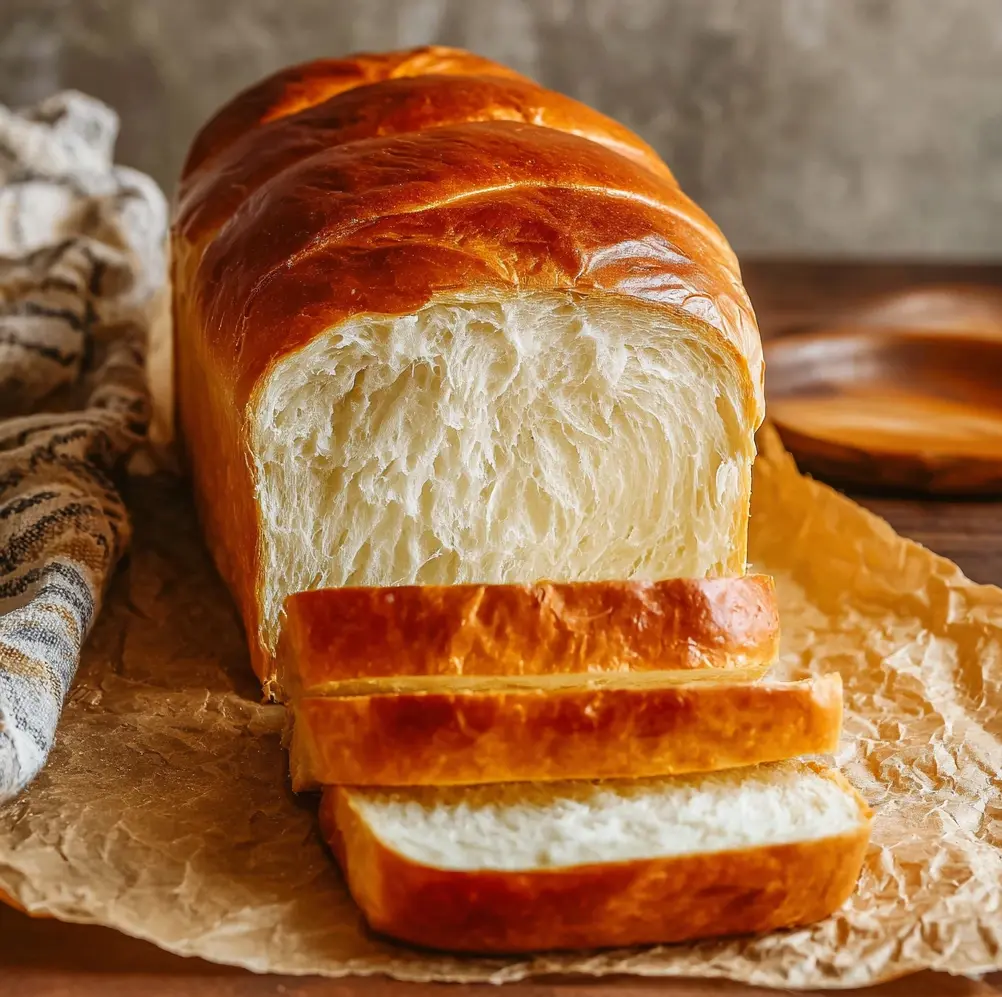
These values make Amish White Bread a balanced everyday bread, especially for families and children.
Healthier Alternatives for the Recipe
- Replace half the bread flour with whole wheat flour for added fiber.
- Use honey instead of sugar for a more natural sweetness.
- Swap vegetable oil for olive oil to improve fat quality.
- Reduce sugar to ½ cup if you prefer a less sweet loaf.
These changes maintain the soft texture while making Amish White Bread more nutrient-dense.
Serving Suggestions
- Toast slices with butter and homemade jam for breakfast.
- Use Amish White Bread for grilled cheese, French toast, or sandwiches.
- Pair with soups, stews, or creamy casseroles.
- Cube leftovers for croutons or bread pudding.
Its mild flavor makes Amish White Bread incredibly versatile.
Common Mistakes to Avoid
- Water too hot: This kills yeast and prevents rising.
- Adding too much flour: Leads to dense bread.
- Skipping kneading: Reduces structure and softness.
- Overbaking: Dries out the loaf.
Avoiding these mistakes ensures light, fluffy Amish White Bread every time.
Storing Tips for the Recipe
- Store at room temperature in an airtight bag for up to 3 days.
- Refrigeration is not recommended—it dries the bread.
- Freeze sliced loaves for up to 3 months.
- Toast frozen slices directly without thawing.
Conclusion
Amish White Bread is soft, reliable, and perfect for everyday baking. With simple ingredients and easy steps, it’s ideal for beginners and families. Try this recipe today, share your experience in the comments, and subscribe for more homemade bread recipes and baking tips.
FAQs
Can I make Amish White Bread without a stand mixer?
Yes, this dough is designed for hand-kneading and works beautifully without equipment.
Why is my bread dense?
Most often, too much flour or insufficient kneading causes dense Amish White Bread.
Can I use instant yeast?
Yes. Use the same amount and skip the proofing step.
How do I know the bread is fully baked?
The loaf should sound hollow when tapped and have a golden crust.
Can I make this recipe into rolls?
Absolutely. Divide into rolls and bake for 18–20 minutes.