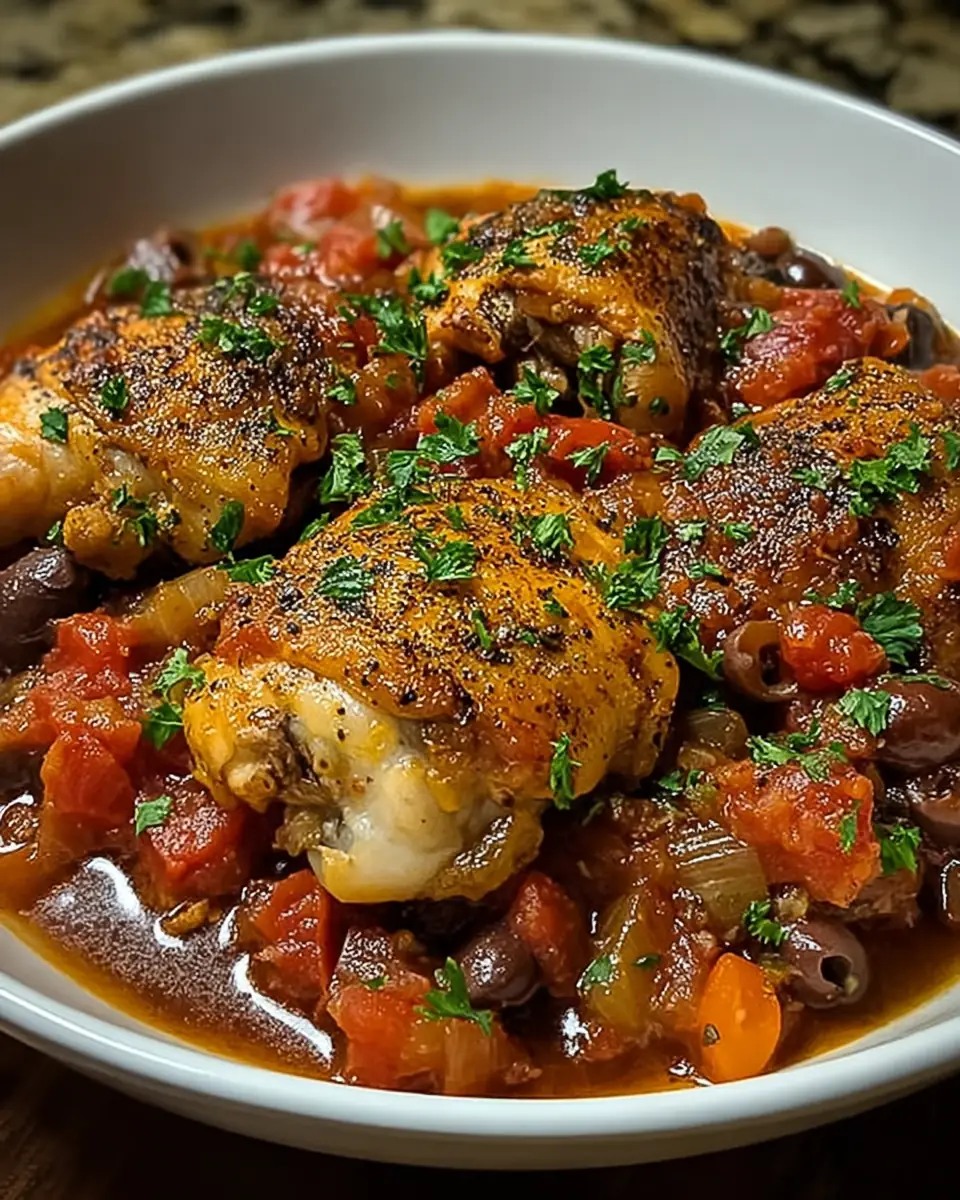
Chicken Cacciatore: A Classic Italian Comfort Dish
When it comes to classic Italian comfort food, Chicken Cacciatore stands out as a beloved favorite. Translating to “hunter-style” chicken, this rustic dish is known for its rich, flavorful sauce and tender chicken pieces. Perfect for a cozy family meal or an intimate dinner party, Chicken Cacciatore is a staple in Italian cuisine that brings warmth and satisfaction to any table. In this comprehensive guide, we’ll walk through the steps to create this delicious dish, highlighting key ingredients and offering tips to make your meal a success.
The Origins of Chicken Cacciatore
The term “cacciatore” means “hunter” in Italian, and the dish is said to have originated as a hearty meal that hunters would prepare from their catch. Traditionally, it was made with whatever ingredients were available, often including rabbit or other game meats. Over time, chicken became more commonly used, particularly in regions where poultry was more accessible. The dish embodies the spirit of rustic Italian cooking, focusing on simple, fresh ingredients to create layers of flavor.
Ingredients and Flavor Profile
The ingredients in Chicken Cacciatore are simple yet impactful, allowing the natural flavors to shine:
- Chicken Thighs: Opting for bone-in, skin-on thighs ensures the meat remains juicy and flavorful. The skin adds a delightful crispiness when seared. While chicken breasts can be used as a substitute, they may not provide the same depth of flavor and moisture.
- Olive Oil: Used for searing the chicken, olive oil imparts a subtle richness to the dish. Its fruity notes complement the other ingredients beautifully.
- Onion, Garlic, and Bell Pepper: These aromatics form the base of the sauce, providing sweetness and depth. The choice of colors for the bell peppers (red, yellow, or green) can add visual appeal and slight variations in flavor.
- Diced Tomatoes and Chicken Broth: These liquids combine to create a savory sauce that envelops the chicken, becoming infused with herbs and spices. Using high-quality canned tomatoes can significantly enhance the dish.
- Herbs and Seasonings: Dried oregano and basil bring earthy, aromatic notes, while optional red pepper flakes add a hint of heat. Fresh herbs can also be used for a more vibrant flavor, added towards the end of cooking.
- Fresh Parsley: Used as a garnish, parsley adds a pop of color and freshness to the finished dish.
The Art of Ingredient Selection
Choosing the right ingredients is crucial to the success of Chicken Cacciatore. The quality of the chicken, for instance, can drastically affect the outcome. Free-range or organic chicken often has a superior flavor profile, which can enhance the overall taste of the dish. Meanwhile, using fresh, aromatic herbs rather than dried ones can add an extra layer of freshness and vibrancy that elevates the dish.
Similarly, the choice of tomatoes can make a significant difference. San Marzano tomatoes, known for their sweetness and rich flavor, are an excellent choice for the sauce. If they are not available, any high-quality canned tomatoes will suffice, but always opt for whole tomatoes that you can crush yourself over pre-diced options, as these typically have a richer flavor.
Cooking Instructions
Step 1: Searing the Chicken
Begin by heating olive oil in a large skillet or Dutch oven over medium-high heat. Season your chicken thighs generously with salt and pepper. Place them in the skillet skin-side down, allowing them to sear for about 5-7 minutes until the skin is golden brown and crispy. Flip and cook for an additional 5 minutes on the other side. Remove the chicken from the skillet and set aside. This initial searing is crucial as it locks in the juices and enhances the flavor of the chicken.
The process of searing not only locks in moisture but also creates a flavorful crust that adds texture and depth to the dish. The Maillard reaction, which occurs during the searing process, is responsible for this complex flavor development. Therefore, it’s essential not to rush this step; let the chicken develop a deep golden-brown crust for the best results.
Step 2: Preparing the Sauce
In the same skillet, without cleaning it, add chopped onions and sliced bell peppers. Sauté these for 3-4 minutes until the onions become translucent. Add minced garlic and cook for another minute until fragrant, ensuring the garlic doesn’t burn. This step is crucial as it builds the foundational flavors of the sauce. The caramelization of the onions and peppers adds a natural sweetness and depth to the dish.
For added flavor, consider deglazing the pan with a splash of white or red wine after removing the chicken. This will lift the flavorful brown bits, known as fond, from the bottom of the pan, incorporating them into the sauce.
Step 3: Simmering
Return the seared chicken to the skillet, nestling it among the vegetables. Pour in the diced tomatoes and chicken broth, then sprinkle in the dried oregano, dried basil, and red pepper flakes if you prefer a bit of spice. Bring the mixture to a simmer, cover, and reduce the heat to low. Allow it to cook for 30-35 minutes, letting the chicken become tender and the flavors meld together. This slow cooking process allows the chicken to absorb the rich flavors of the sauce, resulting in a tender and flavorful dish.
Simmering is a crucial step as it allows the ingredients to break down and integrate, creating a cohesive and richly flavored sauce. The gentle heat encourages the flavors to meld without breaking down the texture of the chicken, ensuring it remains tender and juicy.
Step 4: Final Touches
Once cooked, taste the sauce and adjust the seasoning with additional salt and pepper if necessary. Serve your Chicken Cacciatore hot, garnished with freshly chopped parsley for a burst of color and flavor. The parsley not only enhances the visual appeal but also adds a fresh, vibrant taste that balances the richness of the dish.
Nutritional Information
Each serving of Chicken Cacciatore offers a balanced blend of macronutrients, making it a wholesome meal option:
- Calories: 320 kcal
- Protein: 32g
- Fat: 18g
- Carbohydrates: 8g
- Fiber: 2g
- Sodium: 580mg
This nutritional profile makes Chicken Cacciatore a satisfying yet relatively low-calorie meal, ideal for those looking to enjoy a hearty dish without overindulging.
Beyond its macronutrient content, Chicken Cacciatore is rich in micronutrients. The dish is an excellent source of vitamins A and C, particularly from the bell peppers and tomatoes. These vitamins play essential roles in immune function and skin health. Additionally, chicken provides B vitamins, crucial for energy production and brain health.
Cooking Tips
- For Extra Flavor: Consider adding a splash of red wine to the sauce for an additional layer of complexity. The acidity and richness of the wine enhance the flavors of the tomatoes and herbs.
- Serving Suggestions: Pair Chicken Cacciatore with a side of crusty bread, pasta, or creamy polenta to soak up the delightful sauce. The choice of side can transform the dish, making it suitable for different occasions and preferences.
- Make Ahead: This dish can be prepared in advance and stored in the refrigerator. The flavors deepen as it sits, making it an excellent choice for meal prepping. Reheat gently to preserve the texture of the chicken and the vibrancy of the sauce.
- Customizing the Recipe: Feel free to experiment with additional ingredients like mushrooms, olives, or capers to personalize your Chicken Cacciatore. These additions can introduce new textures and flavors, making each preparation unique.
The Perfect Wine Pairing
Pairing wine with Chicken Cacciatore can elevate your dining experience. A medium-bodied red wine such as Chianti or Barbera complements the dish’s rich flavors. These wines offer enough acidity to balance the tomato-based sauce while enhancing the savory notes of the chicken and herbs.
Exploring Variations
Chicken Cacciatore is a versatile dish that can be adapted to suit various tastes and dietary preferences. For those seeking a lighter version, consider using skinless chicken breasts or thighs. While this may sacrifice some richness, it still maintains the core flavors of the dish.
For a vegetarian twist, substitute the chicken with hearty vegetables like eggplant or zucchini. These vegetables soak up the sauce beautifully, creating a satisfying and flavorful alternative.
Cultural Significance and Modern Adaptations
Chicken Cacciatore has deep roots in Italian culinary tradition, representing a connection to the land and a resourceful approach to cooking. In Italian culture, meals are not just about sustenance but about bringing people together, creating bonds, and celebrating life. This dish, with its communal nature and comforting flavors, embodies these values.
In modern cuisine, chefs worldwide have embraced Chicken Cacciatore, adding their unique spins to the classic recipe. Some incorporate global flavors, such as adding a splash of soy sauce for umami richness or infusing the dish with smoked paprika for a hint of smokiness.
Conclusion
Chicken Cacciatore is a testament to the beauty of simple, rustic cooking. Its hearty sauce and tender chicken make it a comforting dish that’s perfect for any occasion. By following this recipe, you can bring a taste of Italy to your kitchen, delighting your family and friends with every bite. Enjoy the process of cooking and savor the delicious results! Whether you’re a seasoned cook or a beginner, the straightforward steps and versatile nature of this dish make it accessible and rewarding. Embrace the art of Italian cooking and share this delightful meal with your loved ones, creating memories around the table that will last a lifetime. In the end, Chicken Cacciatore is more than just a recipe; it’s an invitation to experience the warmth and hospitality inherent in Italian cuisine, a reminder of the joys of home-cooked meals shared with loved ones.
Chicken Cacciatore

A classic Italian dish featuring tender chicken thighs stewed with tomatoes, peppers, and herbs, perfect for a comforting meal.
- Skillet or Dutch Oven
Chicken
- 4 pieces chicken thighs (bone-in and skin-on)
Sauce
- 30 ml olive oil (for searing)
- 1 g onion (chopped)
- 2 g cloves garlic (minced)
- 1 g bell pepper (sliced)
- 1 can diced tomatoes (with juices)
- 240 ml chicken broth (low sodium preferred)
- 1 tsp dried oregano (Italian seasoning)
- 1 tsp dried basil (aromatic herb)
- 0.5 tsp red pepper flakes (optional for heat)
- 1 tsp Salt and pepper (to taste)
- 1 g Fresh parsley (chopped for garnish)
- Heat olive oil in a large skillet or Dutch oven over medium-high heat. Season the chicken thighs with salt and pepper, then add them to the skillet, skin-side down. Sear for about 5-7 minutes until the skin is golden brown. Flip the chicken and cook for an additional 5 minutes. Remove the chicken from the skillet and set aside.
- In the same skillet, add the chopped onion and sliced bell pepper. Sauté for 3-4 minutes until the onion is translucent. Add the minced garlic and cook for another minute until fragrant.
- Return the chicken to the skillet and pour in the diced tomatoes and chicken broth. Sprinkle in the dried oregano, dried basil, and red pepper flakes if using. Bring the mixture to a simmer, then cover and reduce the heat to low. Let it cook for 30-35 minutes, or until the chicken is cooked through and tender.
- Once cooked, taste and adjust seasoning with salt and pepper as needed. Serve hot, garnished with fresh parsley.
For an extra flavor boost, serve with crusty bread to soak up the delicious sauce.