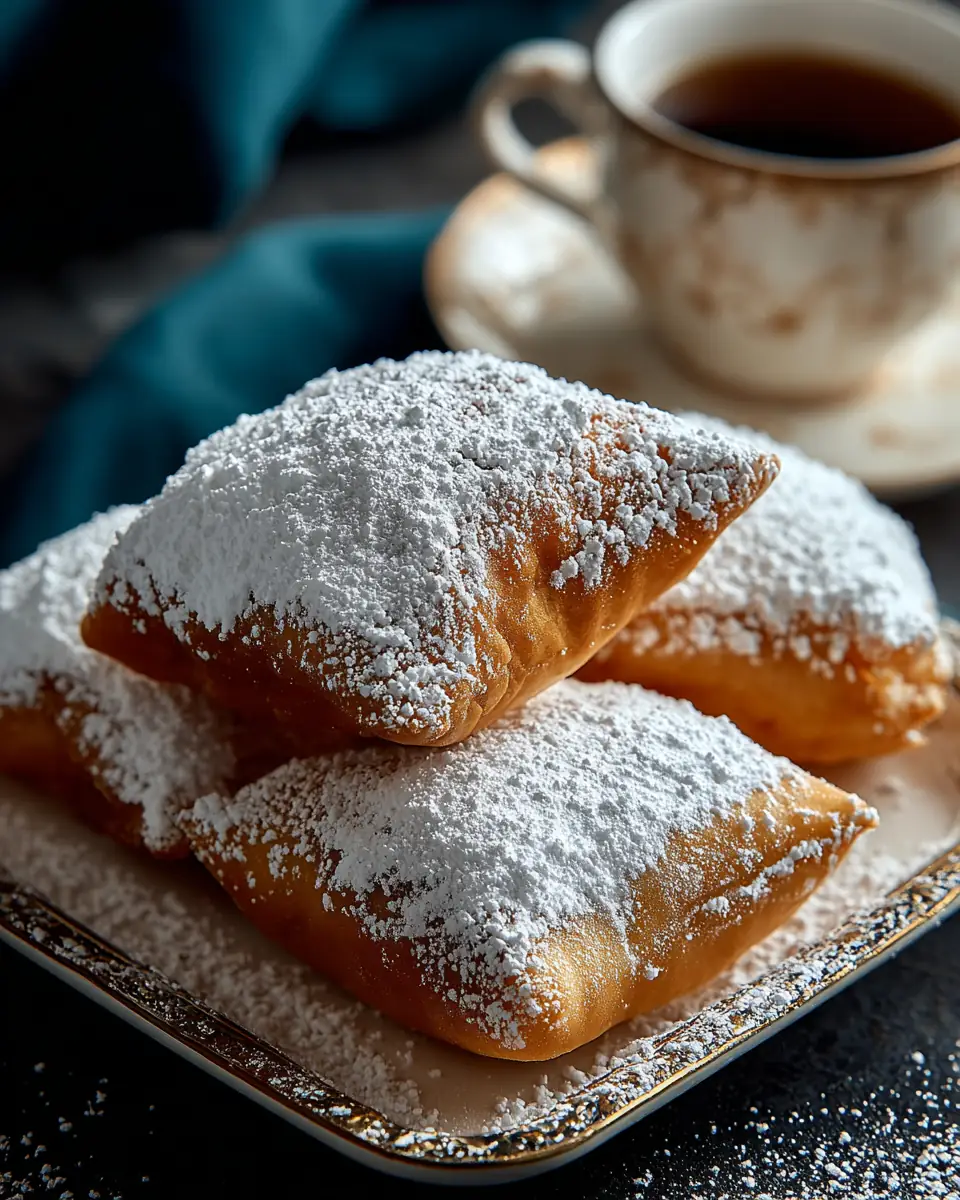
New Orleans, a city renowned for its vibrant culture, jazz music, and culinary delights, offers a wide array of iconic dishes. Among these, the beignet stands out as a quintessential treat that captures the essence of the Big Easy. Originating from the French quarter, these square pieces of fried dough, generously dusted with powdered sugar, are a delightful way to experience a piece of New Orleans’ rich culinary history. If you can’t make it to Café du Monde, here’s how to bring a taste of New Orleans to your home kitchen with this classic beignet recipe.
The Magic Behind the Beignet
A beignet, pronounced “ben-yay,” is more than just a donut. Its magic lies in its light, airy texture and the delightful contrast between the warm, soft interior and the sweet, crispy exterior. The secret? A well-proofed yeast dough and a generous dusting of powdered sugar. Perfect for breakfast, dessert, or an indulgent snack, beignets are best enjoyed warm, with a steaming cup of coffee or a café au lait.
Unlike the denser, more cake-like doughnuts, beignets are all about the puff. This is achieved through a combination of proper yeast activation and dough proofing. The yeast not only gives the beignets their characteristic airiness but also contributes a subtle, pleasant tang that complements the sweetness of the powdered sugar. When fried, the dough puffs up beautifully, creating hollow pockets inside that make each bite light and fluffy.

The Cultural Significance
Beignets are more than just a delicious treat; they are a piece of history and culture. They were brought to Louisiana by the Acadians, French settlers from Canada, in the 18th century. Over time, beignets became deeply embedded in the culinary fabric of New Orleans, evolving into the beloved delicacy we know today. The beignet’s significance in New Orleans is such that it was named the official state doughnut of Louisiana in 1986.
These delightful pastries are not just food; they are an experience. They are often enjoyed in bustling cafes where the air is thick with the aroma of freshly brewed coffee and the sound of jazz melodies. This communal aspect of enjoying beignets is a testament to the vibrant and inclusive culture of New Orleans. The joy of sharing a plate of beignets with friends and family in a lively café setting encapsulates the spirit of togetherness that is so integral to New Orleans’ way of life.
Ingredients You’ll Need
Before we dive into the step-by-step instructions, let’s take a closer look at the ingredients that make these beignets so special:
- 3 cups all-purpose flour: The foundation of our beignets, providing structure and chewiness. The choice of flour is crucial; all-purpose flour strikes the perfect balance between strength and tenderness.
- 1 packet active dry yeast (2 ¼ tsp): Responsible for the rise, creating the iconic airy texture. Ensure your yeast is fresh for the best results.
- 1 cup warm water (110°F/45°C): Activates the yeast, starting the fermentation process. The temperature of the water is key to waking up the yeast without killing it.
- ¼ cup granulated sugar: Adds a touch of sweetness to the dough. This sugar also aids in the fermentation process.
- ½ teaspoon salt: Balances the flavors and enhances the sweetness. A pinch of salt can make all the difference in flavor depth.
- 1 large egg: Adds richness and helps bind the ingredients together. The egg contributes to the dough’s elasticity and flavor.
- 2 tablespoons unsalted butter, softened: Contributes to the tenderness of the dough. The fat in butter helps create a soft crumb.
- ½ cup evaporated milk: Adds a creamy richness and subtle sweetness. Evaporated milk has a concentrated flavor that enriches the dough.
- Vegetable oil, for frying: The medium for cooking our beignets to golden perfection. Choose an oil with a high smoke point, like canola or peanut oil.
- Powdered sugar, for dusting: The finishing touch, adding a sweet, snowy coating. The powdered sugar not only sweetens but also provides a beautiful visual appeal.
Step-by-Step Directions
-
Activate the Yeast:
Begin by dissolving the yeast in warm water with 1 tablespoon of sugar in a small bowl. Let this mixture stand for 5–10 minutes until it becomes foamy. This step ensures that your yeast is active and ready to work its magic. If the mixture doesn’t foam, your yeast may be expired, and you’ll need to start over with a fresh packet. -
Prepare the Dry Ingredients:
In a large bowl, whisk together the flour, the remaining sugar, and salt. This creates a balanced base for your dough. Properly mixing the dry ingredients helps distribute the sugar and salt evenly throughout the dough. -
Combine the Wet Ingredients:
To the yeast mixture, add the egg, softened butter, and evaporated milk. Mix well, ensuring that the butter is fully incorporated. The mixture should be smooth and homogeneous, which will help create a uniform dough. -
Form the Dough:
Gradually add the flour mixture to the wet ingredients, stirring until a dough begins to form. This dough should be soft and slightly sticky. If necessary, add a little more flour, a tablespoon at a time, until the dough is manageable. -
Knead the Dough:
Transfer the dough to a floured surface and knead for 6–8 minutes until it becomes smooth and elastic. Proper kneading develops the gluten, crucial for the beignets’ structure. Well-developed gluten gives the beignets their chewy texture and helps them rise properly. -
First Rise:
Place the kneaded dough in a greased bowl, cover it with a damp cloth, and let it rise in a warm, draft-free area for 1 ½ to 2 hours, or until it has doubled in size. The first rise is essential for developing flavor and texture. -
Shape the Beignets:
Once risen, punch down the dough and roll it out on a lightly floured surface to a thickness of ¼ inch. Cut the dough into 2-inch squares using a sharp knife or dough cutter. Uniform sizing ensures even cooking. -
Fry to Perfection:
Heat vegetable oil in a deep fryer or a large heavy-bottomed pot to 350°F (175°C). Fry the beignets in batches, taking care not to overcrowd the pot. Cook until they are puffed and golden brown on both sides, about 1–2 minutes per side. Proper frying temperature is crucial to avoid greasy beignets. -
Finishing Touches:
Use a slotted spoon to remove the beignets from the oil and drain them on paper towels. While still warm, generously dust them with powdered sugar. The warmth helps the sugar adhere beautifully.
Serving Suggestions
Enjoy these classic New Orleans beignets fresh and warm, preferably with a cup of chicory coffee or a rich café au lait. Their light, airy texture and sweet dusting make them the perfect treat for any time of day. For an authentic experience, serve them in a paper bag, shaking to distribute the sugar evenly.
For a creative twist, consider adding a side of chocolate or caramel sauce for dipping. You can also experiment with flavored sugars, such as cinnamon or vanilla-infused powdered sugar, to add a unique flair to your beignets. Alternatively, you might try filling the beignets with fruit preserves or a rich custard for a more decadent variation.
Nutritional Information
Each serving of these indulgent beignets contains approximately 280 kcal, with about 12 grams of fat, 38 grams of carbohydrates, and 4 grams of protein. While they are a treat best enjoyed in moderation, their irresistible taste makes them worth every calorie. With a prep time of 20 minutes plus rising, and a cooking time of 20 minutes, you can have a taste of New Orleans in just about 2 hours.
Pairing Beignets with Beverages
Pairing beignets with the right beverage can elevate the experience to a new level. Traditionally, they are enjoyed with a café au lait, which complements the sweetness of the beignets with its rich, creamy flavor. If coffee isn’t your preference, a hot chocolate or a chai latte can offer a similarly delightful pairing. For a refreshing twist, consider serving them with a cold glass of milk or a fruity iced tea.
The Joy of Sharing
Part of what makes beignets special is the joy of sharing them with others. Whether you’re hosting a brunch with friends or enjoying a quiet morning with family, serving a plate of warm beignets is sure to bring smiles and satisfaction. They also make a thoughtful homemade gift; simply package them in a box lined with parchment paper, and include a small jar of powdered sugar for dusting just before serving.
Final Thoughts
Making beignets at home is a rewarding experience that transports you straight to the heart of New Orleans. Whether you’re hosting a Mardi Gras celebration or simply craving a sweet treat, this recipe is sure to delight. The process of making beignets is as enjoyable as the final product, offering a sense of connection to the rich culinary traditions of the Crescent City.
For those who appreciate the art of baking and the joy of sharing delicious food with loved ones, beignets are a must-try. So, dust off your apron, warm up your frying oil, and indulge in a little piece of the Crescent City right at home. Bon appétit!


Classic New Orleans Beignets
Experience the taste of New Orleans with these classic beignets, perfect for breakfast or a sweet treat.
- Deep Fryer
Beignet Dough
- 3 cups all-purpose flour
- 1 packet active dry yeast (2 ¼ tsp)
- 1 cup warm water (110°F/45°C)
- 1/4 cup granulated sugar
- 1/2 tsp salt
- 1 large egg
- 2 tbsp unsalted butter (softened)
- 1/2 cup evaporated milk
- ml vegetable oil (for frying)
- g powdered sugar (for dusting)
- In a small bowl, dissolve yeast in warm water with 1 tablespoon of sugar. Let stand for 5–10 minutes until foamy.
- In a large bowl, whisk together flour, remaining sugar, and salt.
- Add the egg, softened butter, and evaporated milk to the yeast mixture. Gradually stir in the flour mixture until a dough forms.
- Transfer dough to a floured surface and knead for 6–8 minutes until smooth and elastic. Place in a greased bowl, cover, and let rise in a warm place for 1 ½ to 2 hours until doubled.
- Punch down dough and roll out on a lightly floured surface to ¼-inch thickness. Cut into 2-inch squares.
- Heat oil in a deep fryer or large heavy-bottomed pot to 350°F (175°C). Fry beignets in batches until puffed and golden brown on both sides, about 1–2 minutes per side.
- Remove with a slotted spoon and drain on paper towels. Generously dust with powdered sugar before serving warm.
Beignets are best enjoyed fresh and warm. Consider serving them with a hot cup of coffee for a true New Orleans experience.