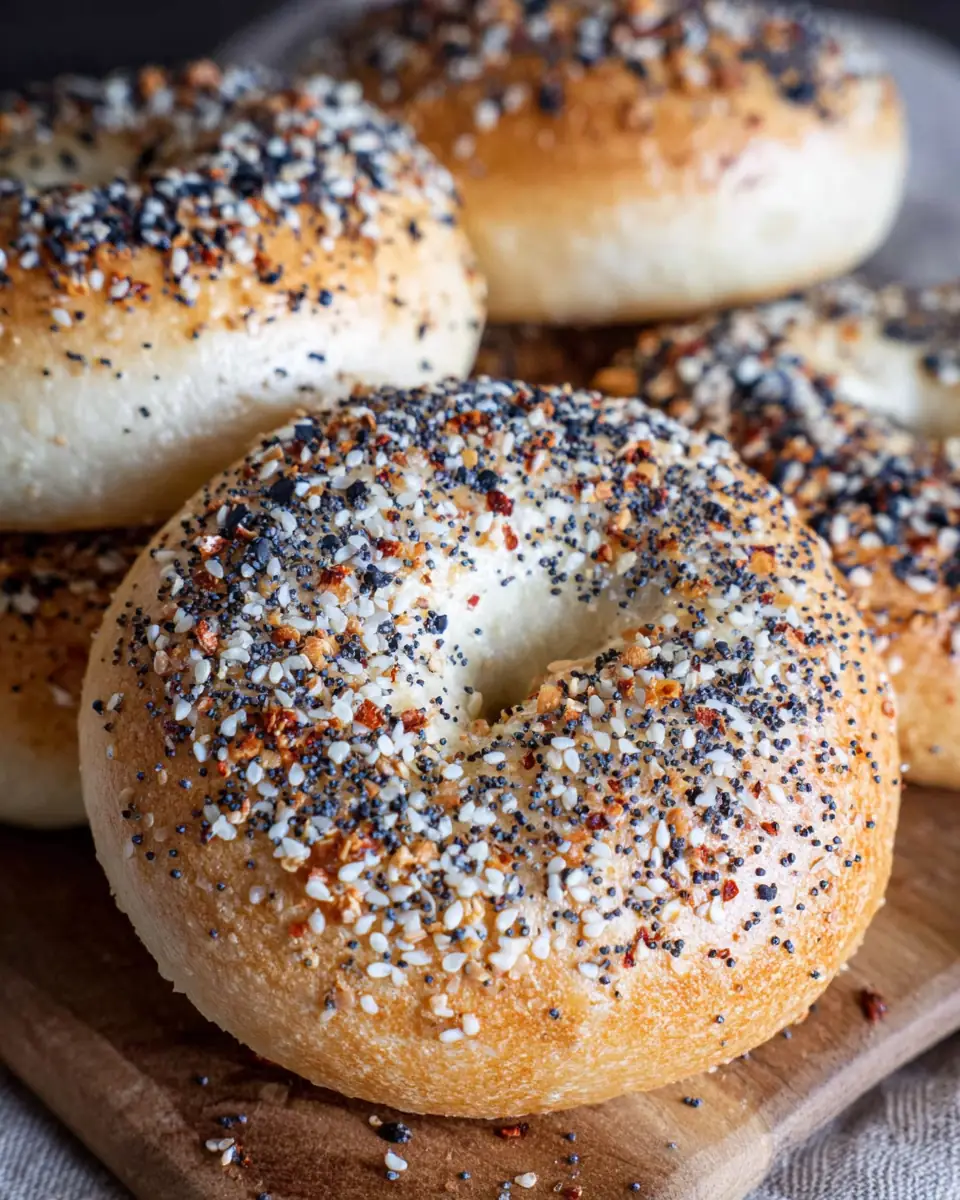
Easy Sourdough Bagels: A Delightful Way to Use Discard or Starter
If you’re a sourdough enthusiast or simply someone who enjoys a freshly baked bagel, you’re in for a treat. These easy sourdough bagels, made with either sourdough discard or a bubbly fed starter, are perfect for home bakers who crave that quintessential chewy texture with a slightly tangy flavor. Whether you’re a seasoned baker or just starting your sourdough journey, this recipe is both straightforward and rewarding.
The Art and Science of Sourdough
Before diving into the recipe, let’s explore the magic behind sourdough. Sourdough is a type of bread made by the fermentation of dough using naturally occurring lactobacilli and wild yeast. Compared to breads made with cultivated yeast, sourdough has a mildly sour taste due to the lactic acid produced by the lactobacilli. This traditional method of bread-making not only enhances flavor but can also improve digestibility and shelf life.
Sourdough starters are living cultures of flour and water. When flour is mixed with water, enzymes begin to break down the starches in the flour into sugars, which serve as food for the yeast and bacteria present in the environment. Over time, this mixture ferments, capturing wild yeast and lactobacilli from the air and the flour itself. This fermentation process is what gives sourdough its unique taste and texture, distinguishing it from other types of bread.
The Role of Sourdough Starter vs. Discard
When baking with sourdough, the choice between using a fed starter and discard can impact both the flavor and texture of your baked goods. A bubbly, fed starter is active and full of live yeast, which means it can be used as the sole leavening agent in recipes. This is ideal for those who prefer a more pronounced sourdough flavor and who have the time to allow for longer fermentation periods.
On the other hand, sourdough discard is what remains after feeding your starter. It’s typically less active but still carries the characteristic sourdough tang. When using discard, it’s common to incorporate a small amount of commercial yeast to ensure adequate rise, especially in doughs that require a robust structure, like bagels.
Ingredients
- 100g Sourdough Starter: You can use discard (if using yeast) or a bubbly fed starter. The starter is the heart of the sourdough’s unique characteristics.
- 500g Bread Flour: Bread flour is high in gluten, which gives the bagels their chewy texture.
- 250g Water: Water hydrates the flour and helps in the formation of gluten.
- Pinch of Yeast (if using sourdough discard): Acts as a leavening agent, especially helpful when using discard.
- 30g Sugar: Adds a hint of sweetness and aids in browning.
- 10g Salt: Balances the flavors and strengthens the dough.
- 2 Quarts Boiling Water: Used for boiling the bagels before baking, which is crucial for achieving the classic bagel texture.
- 1 tbsp Honey: Adds sweetness and color during the boiling process.
Directions
For Bagels Using Yeast (with Sourdough Discard)
Mix Ingredients:
- In a stand mixer, combine water, sourdough starter, yeast, and sugar. Stir until the ingredients are just combined. This initial mixing stage is crucial for hydrating the flour, which will affect the final texture of the bagels.
Add Dry Ingredients:
- Add flour and salt to the mixture. Mix on low speed until combined. Increase to medium speed and knead for a couple of minutes. Then reduce speed and knead for 8-10 minutes until the dough is smooth and elastic. Proper kneading develops the gluten network, essential for the chewy texture of bagels.
First Rise:
- Let the dough rise in a warm spot until it doubles in size, approximately 1-2 hours. This stage allows the yeast and bacteria to ferment, contributing to the flavor and texture of the bagels.
Shape Bagels:
- Divide the dough into 10-12 equal pieces (about 80g for smaller bagels or 10 for larger ones). Roll each piece into a ball, then use your thumb to create a hole in the center, stretching and shaping it into a bagel form. Shaping affects the final look and texture, so take your time to form smooth, even rings.
Second Rise:
- Cover the shaped bagels with plastic wrap or a towel and let them rise until nearly doubled in size. This second rise, or proofing, allows the dough to relax and the flavors to develop further.
Boiling and Baking:
- Preheat your oven to 400°F (200°C). Boil 2 quarts of water with 1 tablespoon of honey. Boil bagels in batches for 20-30 seconds each. Boiling the bagels sets the crust and gives them their distinctive chewy texture.
Toppings and Baking:
- Add your desired toppings, such as Everything Bagel seasoning, sesame seeds, or cinnamon sugar. Bake in the preheated oven for 20-25 minutes. The toppings add flavor and texture, while baking completes the cooking process and gives the bagels their golden brown color.
For Bagels Using Fed Sourdough Starter
Mix Ingredients:
- In the evening, combine sourdough starter, water, and sugar in a stand mixer. Add flour and salt, mixing on low speed until combined, then knead for about 10 minutes until smooth and elastic. This method relies more on the natural leavening power of the starter.
Overnight Fermentation:
- Place the dough in a container with a lid and let it sit on the counter overnight for a bulk ferment. This long, slow fermentation develops complex flavors and enhances the nutritional profile of the bagels.
Shape Bagels:
- In the morning, divide the dough into equal pieces and shape each into a bagel by forming a ball and making a hole in the center. The overnight fermentation will have made the dough more pliable and flavorful.
Second Rise:
- Place shaped bagels on a pan and cover to rise for 1-1.5 hours in a warm area. This rise is shorter, as the dough has already developed during the overnight ferment.
Boiling and Baking:
- Preheat the oven to 400°F (200°C). Boil 2 quarts of water with honey, then boil bagels for about 30 seconds each. Remove with a slotted spoon to a prepared baking sheet. Boiling for longer than 30 seconds can give the bagels a denser texture.
Toppings and Baking:
- Add desired toppings. Bake for 20-25 minutes until golden brown. Achieving the right color and crunch is crucial for that perfect bagel experience.
Tips and Tricks for Perfect Bagels

- Timing and Temperature: Pay attention to your ambient room temperature. Warmer environments speed up fermentation, which can be a boon or a bane depending on your schedule. If your home is particularly warm, consider refrigerating the dough during the first rise to prevent over-proofing.
- Kneading: Knead until the dough passes the “windowpane test,” where a small piece of dough can be stretched into a thin, translucent film without tearing. This is an indicator of well-developed gluten, which is crucial for the structure of bagels.
- Boiling: Ensure your water is at a vigorous boil. Adding honey or malt syrup can aid in developing a glossy crust. The boiling step is not just a formality; it’s what gives bagels their distinct texture and sheen.
- Toppings: Apply toppings immediately after boiling, while the bagels are still wet, to ensure they stick. Consider trying a variety of seeds, herbs, or spices to customize your bagels.
Storage and Serving Suggestions
Allow your bagels to cool completely before slicing to enjoy the full texture and flavor. They’re best served toasted with a generous spread of cream cheese, though the serving possibilities are endless. Consider smoked salmon and capers for a traditional take, or go modern with avocado and a poached egg.
Store them in a plastic bread bag for 3-4 days, or freeze them for longer storage. To freeze, slice them first and store in a freezer-safe bag. This way, you can pop them directly into the toaster from the freezer. For the best results, consider using a toaster oven for a perfectly crisp exterior and warm interior.
Nutritional Benefits of Sourdough
Sourdough is not only delicious but also offers several health benefits. The fermentation process enhances the bioavailability of nutrients in the flour, making them easier for the body to absorb. The lactic acid bacteria present in sourdough can also lower the glycemic index of the bread, which may be beneficial for blood sugar control. Moreover, sourdough’s natural fermentation can make it easier to digest for those who are sensitive to commercial yeast.
Conclusion
Whether you’re using sourdough discard or a bubbly fed starter, these bagels offer a deliciously tangy and chewy bite that rivals any bakery. Sourdough baking is as much about the journey as it is about the destination. With this recipe, you can enjoy the process and savor the delightful results with your favorite toppings and spreads. Happy baking!
Incorporating sourdough into your baking routine can be a rewarding endeavor. Not only do you get to create delicious homemade treats, but you also become part of a tradition that spans centuries. From the first rise to the final bake, every step in the sourdough process is an opportunity to connect with the art and science of baking. Whether you’re sharing these bagels with friends and family or enjoying them as a personal treat, you’re sure to appreciate the care and craftsmanship that goes into each bite.
Easy Sourdough Bagels (using discard or starter)

These sourdough bagels are perfect for breakfast or a snack. Use your sourdough starter or discard for a delicious homemade treat.
- Stand Mixer
Bagel Dough
- 100 g Sourdough Starter (You can use discard (if using yeast) or bubbly fed starter)
- 500 g Bread Flour
- 250 g Water
- 1 pinch yeast (if you are using your sourdough discard)
- 30 g Sugar
- 10 g Salt
- 2 quarts Boiling Water
- 1 tbsp Honey
- Using a stand mixer, add your water, sourdough starter, yeast, and sugar. Roughly combine these ingredients.
- Next add your flour and salt to the mixture and let it combine on low speed. Once it is combined, raise the speed to medium and knead the dough for about a couple of minutes and then lower the speed and knead for 8-10 minutes or until the dough is smooth and elastic.
- Let the dough rise until it has doubled in size. This will take from 1-2 hours. If you place it in a warm area it will rise faster.
- Once the dough has doubled, separate it into 10-12 equal pieces. Roll them into round balls and make a hole right in the center. Stretch and roll the dough until it looks like a bagel.
- Cover with plastic wrap or a towel and let them rise until they almost double in size.
- Preheat the oven to 400 degrees F. Boil your water/honey mixture.
- Once the water is boiling, gently lay two of the bagels in the water at a time. Boil them for about 20-30 seconds and then take them out using a slotted spoon and lay them on a greased baking sheet or silicone mat.
- Add toppings if desired. Bake them for 20-25 minutes in the oven.
- Let them cool completely before cutting into them.
These bagels are perfect with cream cheese. Store in a bread bag for 3-4 days or freeze for longer storage.