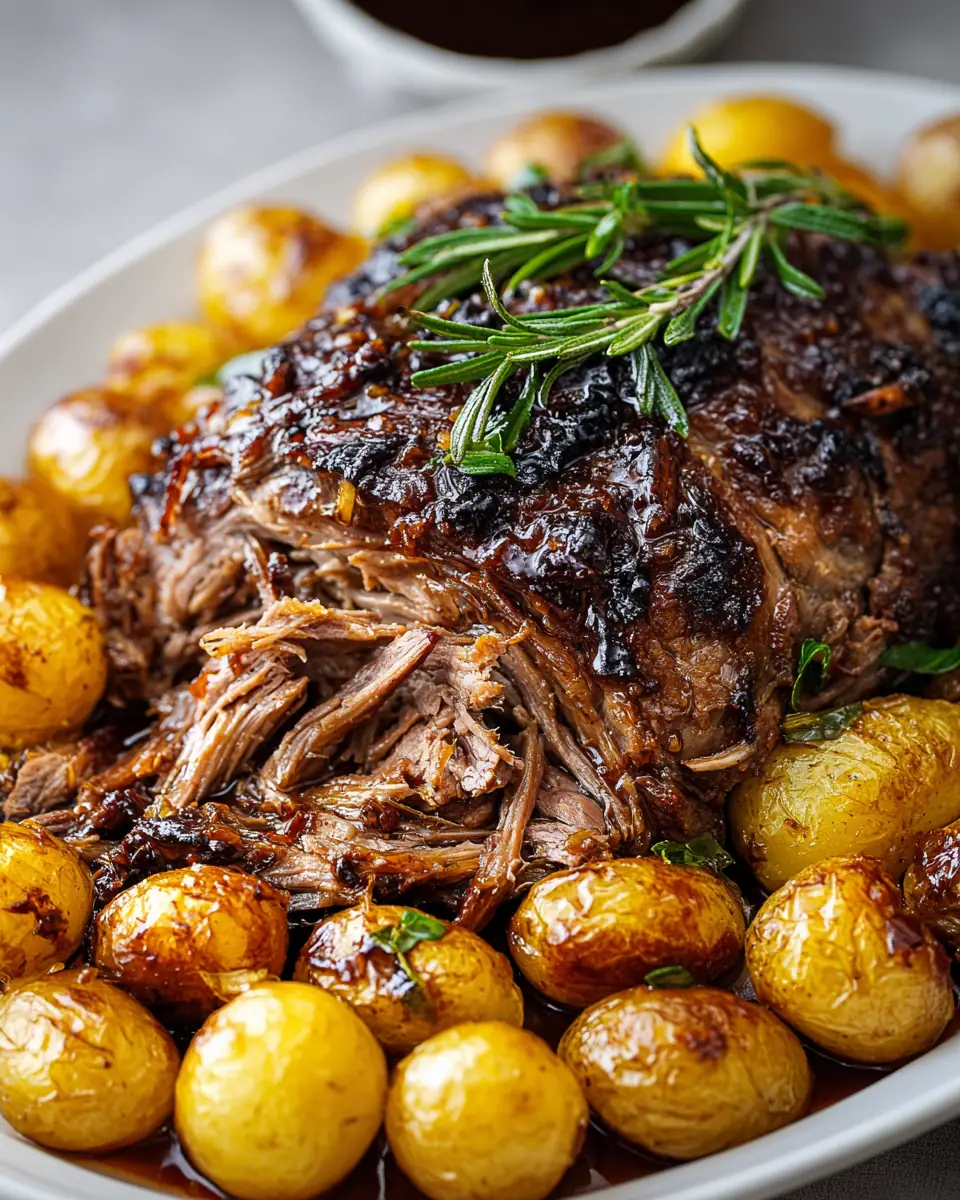
Greek Roasted Leg of Lamb: A Culinary Journey into Traditional Greek Flavors
When it comes to classic Greek cuisine, few dishes capture the heart and soul like a beautifully roasted leg of lamb. Infused with the bold flavors of garlic, lemon, and aromatic herbs, this traditional Greek Roasted Leg of Lamb is not only a feast for the eyes but also a delight for the palate. Whether you’re hosting a festive gathering or simply indulging in a weekend culinary project, this recipe promises to deliver a succulent and flavorful main course that will have your guests coming back for seconds.
The Rich Heritage of Greek Cooking
Greek cuisine is a tapestry of flavors woven through centuries of history, culture, and tradition. The Mediterranean diet, of which Greek food is a cornerstone, is renowned for its health benefits, featuring an abundance of fresh vegetables, legumes, olive oil, and lean meats. Lamb, in particular, holds a special place in Greek culinary traditions, often prepared for family gatherings and religious celebrations such as Easter.
In many Greek households, roasting lamb is an art form. The meat is typically marinated in a blend of olive oil, lemon juice, garlic, and herbs, allowing the flavors to deeply penetrate and tenderize the meat. The result is a dish that is both aromatic and deeply satisfying, capturing the essence of Greek hospitality in every bite. This method of cooking reflects a broader philosophy in Greek cuisine: the celebration of simple, high-quality ingredients prepared with care and precision.
The Greek approach to cooking lamb is not just about the ingredients but also about the process and the occasion. It is a communal activity, often involving family and friends who gather to prepare and enjoy the meal together. This social aspect of Greek cooking is as important as the culinary techniques, as it fosters a sense of community and connection that enhances the dining experience.
Ingredients: The Building Blocks of Flavor
To craft this exquisite dish, you’ll need the following ingredients:
- 2–2.5 kg (4–5 lb) bone-in leg of lamb: The star of the show; ensure it’s fresh and of high quality for the best results. A bone-in leg of lamb not only looks impressive but also is more flavorful as the bone helps retain moisture during cooking.
- 6–8 garlic cloves, sliced or crushed: Garlic infuses the lamb with a robust flavor that permeates every bite. In Greek cooking, garlic is often used generously, enhancing the savory profile of the dish.
- Juice and zest of 2 lemons: The zest adds a bright, citrusy aroma, while the juice tenderizes the meat. Lemon is a staple in Greek cuisine, providing a refreshing counterbalance to richer ingredients.
- 4 tablespoons olive oil: Helps to create a golden crust and keeps the meat moist. Olive oil, often referred to as “liquid gold” in Greece, is a fundamental ingredient in Greek cooking.
- 2 teaspoons salt: Enhances the natural flavors of the lamb. Salt is crucial for seasoning, drawing out the natural juices and intensifying the overall taste.
- 1 teaspoon black pepper: Adds a hint of spice. Pepper adds a subtle heat that complements the other flavors.
- 1 tablespoon chopped fresh rosemary and 1 tablespoon chopped fresh thyme: These herbs bring a fragrant earthiness to the dish. Rosemary and thyme are traditional Mediterranean herbs that pair beautifully with lamb.
- 1 cup (240 ml) dry white wine or chicken broth: This liquid ensures a moist cooking environment and adds depth to the flavor. The acidity in the wine helps to tenderize the meat, while chicken broth adds a savory depth.
Optional Additions
- Potatoes, peeled: Roasting them alongside the lamb absorbs all the delicious juices. This optional ingredient turns this dish into a one-pot meal, with the potatoes soaking up the flavors of the lamb and herbs.
Directions: A Step-by-Step Guide to Greek Roasted Lamb
Step 1: Prepare the Marinade
In a small bowl, mix together the olive oil, lemon juice and zest, garlic, rosemary, thyme, salt, and pepper. This aromatic blend will be the magic that transforms the lamb into a Greek masterpiece. The marinade serves as both a flavor enhancer and a tenderizer, ensuring that every bite of lamb is succulent and bursting with taste.
Step 2: Marinate the Lamb
Pat the leg of lamb dry with paper towels to ensure the marinade adheres well. Make small slits all over the meat—these will be pockets for the garlic and herbs. Rub the marinade generously over the lamb, pushing the garlic and herbs into the slits. Allow the lamb to sit at room temperature for 1–2 hours, or for deeper flavor, cover and refrigerate overnight. If you refrigerate it, be sure to bring it back to room temperature before roasting. This step allows the flavors to meld and penetrate the meat, resulting in a more flavorful dish.
Step 3: Prepare for Roasting
Preheat your oven to 160°C (325°F). Place the marinated lamb in a deep roasting pan. Pour the wine or chicken broth around (but not over) the meat to create a moist environment that will help keep the lamb tender. Cover the pan tightly with foil or a lid to trap in the steam. This method of roasting ensures that the lamb remains juicy and tender throughout the cooking process.
Step 4: Roast the Lamb
Roast the lamb covered for 3.5–4 hours. If you’d like to include potatoes, add them around the lamb after the first hour of roasting. They will absorb the flavorful juices and become wonderfully tender. Basting is optional but can enhance the flavors even further. Regularly checking on the lamb and basting it with its own juices can ensure even cooking and a richer flavor profile.
Step 5: Golden Perfection
In the final 30–45 minutes of cooking, uncover the lamb. This will allow the exterior to develop a beautifully golden crust, enhancing both the texture and appearance. The caramelization that occurs during this step adds a delightful depth of flavor and a visually appealing finish to the dish.
Step 6: Rest and Serve
Once roasted to perfection, let the lamb rest, loosely covered with foil, for at least 20–30 minutes. This step is crucial as it allows the juices to redistribute within the meat, ensuring every slice is juicy and flavorful. After resting, slice or shred the lamb and serve with the roasted potatoes and a side of your choice. Resting is a vital step in any roasting process, as it prevents the juices from running out when the meat is cut, resulting in a more succulent dish.
Nutrition Information

Per serving, this dish provides approximately:
- Calories: 480
- Sugar: 1g
- Sodium: 520mg
- Fat: 30g
- Fiber: 1g
- Protein: 45g
This nutritional profile makes Greek Roasted Leg of Lamb a protein-rich meal that is also relatively low in sugar and carbohydrates, fitting well into a balanced diet. The dish is not only delicious but also offers a nutritious balance of macronutrients, ideal for those following a Mediterranean diet.
Time: Planning Your Culinary Adventure
- Prep Time: 20 minutes
- Total Time: 4 hours 50 minutes
This Greek Roasted Leg of Lamb is an impressive dish that doesn’t require much active cooking time, making it perfect for entertaining. The result is a tender, flavorful, and aromatic main course that captures the essence of Greek cuisine. Pair it with a fresh Greek salad or some tzatziki sauce for a complete Mediterranean feast. Enjoy!
Pairing and Serving Suggestions
To elevate your Greek Roasted Leg of Lamb into a full-fledged Mediterranean feast, consider these serving suggestions:
Greek Salad: A classic Greek salad with tomatoes, cucumbers, red onions, olives, and feta cheese dressed in olive oil and oregano makes a refreshing accompaniment. The crispness of the vegetables and the tanginess of the feta create a delightful contrast to the rich flavors of the lamb.
Tzatziki Sauce: This cool, creamy sauce made from yogurt, garlic, cucumber, and dill complements the rich flavors of the lamb perfectly. Its refreshing taste provides a nice balance to the robust flavors of the roasted lamb.
Feta Cheese and Olives: A simple platter of feta cheese and assorted olives can enhance the Mediterranean vibe of your meal. These traditional Greek ingredients add an authentic touch and can serve as a delicious appetizer.
Roasted Vegetables: Consider roasting a medley of seasonal vegetables such as bell peppers, zucchinis, and eggplants alongside the lamb for added color and nutrition. The vegetables soak up the lamb’s juices, becoming infused with the rich flavors of the dish.
Crusty Bread: Serve with warm, crusty bread to soak up the delectable juices of the lamb. A good quality bread will provide a satisfying texture and a neutral base for the bold flavors of the meal.
Wine Pairing: A robust red wine, such as a Greek Agiorgitiko or a Shiraz, can complement the rich flavors of the lamb beautifully. The wine’s tannins and fruitiness can enhance the lamb’s flavors, creating a harmonious dining experience.
Cultural Significance and Cooking Tips
Cooking a Greek Roasted Leg of Lamb is not just about following a recipe; it’s about embracing a tradition that has been passed down through generations. The process of preparing this dish can be seen as a ritual that connects you to the rich cultural heritage of Greece.
Cooking Tips
- Quality Ingredients: Always opt for the freshest and highest quality ingredients you can find. The success of this dish heavily relies on the quality of the lamb and the freshness of the herbs and other ingredients.
- Marinating Time: Do not rush the marinating process. Allowing the lamb to marinate overnight will give you a more flavorful and tender result.
- Temperature Control: Ensure your oven is properly preheated and maintain a consistent temperature throughout the cooking process. This will ensure even cooking and prevent the lamb from drying out.
- Resting Period: Do not skip the resting period after roasting. It is essential for retaining the juices and ensuring a moist and tender meat.
Cultural Insights
In Greek culture, lamb is often associated with Easter, a major celebration where families gather to feast and enjoy each other’s company. This dish symbolizes abundance and hospitality, reflecting the Greek value of “philoxenia”—the love of strangers and openness to guests.
Final Thoughts
The Greek Roasted Leg of Lamb is more than just a meal; it’s an experience that brings people together, evoking the warmth and hospitality that Greek culture is known for. Whether served at a festive gathering or enjoyed as a special weekend treat, this dish embodies the simplicity and richness of Greek cuisine. With its tender, juicy meat and aromatic herbs, it’s a recipe that is sure to become a beloved favorite in your culinary repertoire. So gather your ingredients, embrace the aromatic flavors, and embark on a delightful journey into the heart of Greek cooking. Enjoy!
This dish is not just about satisfying hunger; it’s about sharing and celebrating life with loved ones. As you savor each bite, you’ll be reminded of the vibrant culture and traditions that make Greek cuisine so special. So, light a candle, pour a glass of wine, and transport yourself to a sun-drenched Greek island with each delicious forkful.
Greek Roasted Leg of Lamb (Traditional Garlic & Lemon Lamb)
A classic Greek dish that’s perfect for special occasions. This lamb is infused with garlic, lemon, and herbs for a rich, aromatic flavor.
- Deep Roasting Pan
Lamb and Marinade
- 2 kg bone-in leg of lamb (2–2.5 kg (4–5 lb))
- 6 cloves garlic (sliced or crushed)
- 2 pieces lemon (juice and zest)
- 4 tbsp olive oil
- 2 tsp salt
- 1 tsp black pepper
- 1 tbsp chopped fresh rosemary
- 1 tbsp chopped fresh thyme
- 240 ml dry white wine or chicken broth
- 500 g potatoes (peeled, optional)
- In a small bowl, mix the olive oil, lemon juice and zest, garlic, rosemary, thyme, salt, and pepper.
- Pat the lamb dry with paper towels. Make small slits all over the meat and rub the marinade all over, pushing garlic and herbs into the slits.
- Let the lamb sit at room temperature for 1–2 hours, or cover and refrigerate overnight. If chilled, bring to room temp before roasting.
- Preheat oven to 160°C (325°F). Place lamb in a deep roasting pan. Pour wine or broth around (not over) the meat. Cover tightly with foil or a lid.
- Roast covered for 3.5–4 hours. If adding potatoes, place them around the lamb after the first hour. Baste occasionally if you like.
- Uncover the lamb and roast uncovered for the last 30–45 minutes until beautifully golden.
- Let the lamb rest, covered loosely with foil, for at least 20–30 minutes before slicing or shredding.
For an extra touch of Greek authenticity, serve the lamb with a side of tzatziki sauce and a Greek salad.