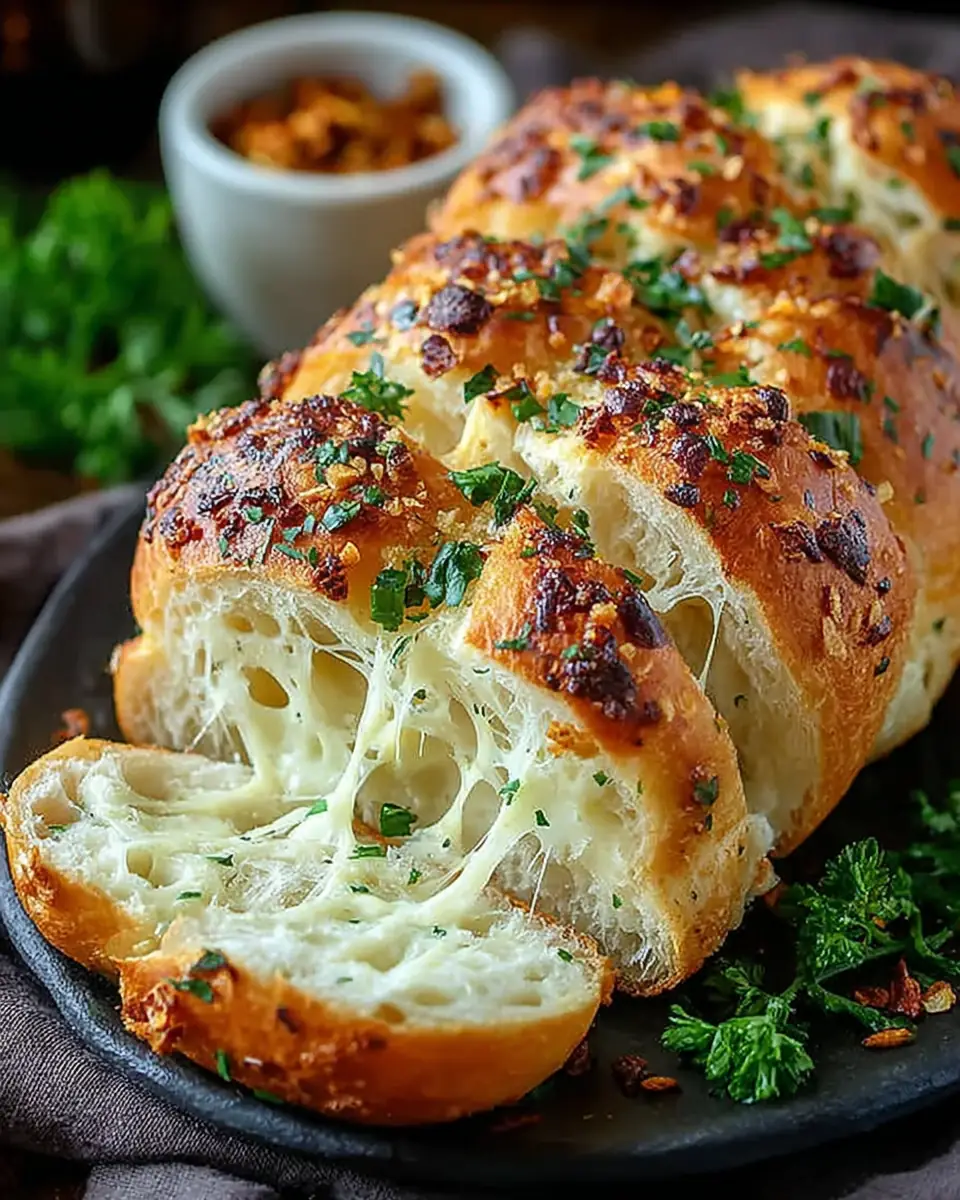
Few culinary delights can match the allure of freshly baked bread. The warm, comforting aroma that fills your kitchen is a precursor to the delicious experience that awaits. Today, we delve into the secrets of Italian Herbs and Cheese Bread, a savory masterpiece that brings the rustic flavors of Italy right to your table. This bread is perfect for any occasion, whether you’re hosting a cozy dinner or simply indulging in a weekend baking project.

The Allure of Baking Bread at Home
Baking bread at home is a rewarding experience that transcends the simple act of cooking. It’s about embracing tradition, engaging with your senses, and creating something with your own hands. The process, while seemingly complex, is a balance of science and art. You become a part of a centuries-old tradition, one that has been nurtured and passed down through generations. The tactile pleasure of kneading dough, watching it rise, and the anticipation as it bakes, fills your home with an aroma that is nothing short of magical.
The Essential Ingredients
To create this delectable Italian Herbs and Cheese Bread, you will need the following ingredients:
- 4 cups all-purpose flour: The foundation of our bread, providing structure and texture.
- 1 packet (2¼ teaspoons) active dry yeast: Our leavening agent, bringing life and lift to the dough.
- 1¾ cups warm water (about 110°F): Essential for activating the yeast and creating a smooth dough.
- 1 tablespoon salt: Enhancing the flavors while balancing the sweetness of the dough.
- 1 tablespoon sugar: Not just a sweetener, but also a yeast-activating component.
- 2 tablespoons dried Italian herbs (such as basil, oregano, thyme, and rosemary): Infusing the bread with classic Italian flavors.
- 1 cup shredded mozzarella cheese: Adding a creamy, cheesy dimension.
- ½ cup grated Parmesan cheese: Offering a sharp, nutty contrast to the mozzarella.
- Extra flour for dusting: Preventing sticking as you knead and shape the dough.
Understanding the Ingredients
Each ingredient in this recipe plays a crucial role in the final product. The flour is the backbone, providing the necessary gluten structure that gives bread its characteristic chew. The yeast is a living organism that ferments the sugars in the dough, producing carbon dioxide that causes the dough to rise. The water, at just the right temperature, activates the yeast, while the salt and sugar balance flavors and affect texture.
The use of Italian herbs transforms the bread from a simple loaf into a flavorful delight. Basil, oregano, thyme, and rosemary not only add aroma but also enhance the bread’s overall complexity. The cheeses, mozzarella for its meltability and Parmesan for its sharpness, create layers of flavor that are both comforting and sophisticated.
Step-by-Step Guide to Perfect Bread
Prepare the Dough
Begin your bread journey by activating the yeast. In a large mixing bowl, combine the warm water, sugar, and yeast. Allow it to sit undisturbed for about 5 minutes. You’ll know it’s ready when it becomes frothy, a sign that the yeast is active and ready to work its magic.
Next, add the flour, salt, dried herbs, mozzarella, and Parmesan cheese to the yeast mixture. Stir until a sticky dough forms, ensuring all ingredients are evenly distributed.
Knead the Dough
Transfer the sticky dough onto a floured surface. Here, you’ll spend the next 8-10 minutes kneading with love and patience. The dough will transform from a sticky mess into a smooth and elastic masterpiece. This physical manipulation of the dough helps develop gluten, which gives bread its structure. If the dough clings to your hands or surface, sprinkle a little extra flour as needed.
Proof the Dough
Once kneaded, place the dough in a greased bowl. Cover it with a clean kitchen towel and let it rise in a warm place for about 1-2 hours, or until it doubles in size. This step, known as proofing, is crucial for developing the bread’s texture and flavor. The yeast continues its work, fermenting sugars and creating the gas that causes the dough to expand.
Shape the Bread
After the dough has risen, gently punch it down to release trapped air. This step prevents the bread from having uneven bubbles. Shape it into a loaf or place it in a greased bread pan. Cover it once more and let it rise for an additional 30 minutes. This second rise is essential for achieving the desired volume and texture.
Preheat the Oven
While your dough takes its final rise, preheat your oven to 450°F (230°C). Place a shallow pan of water at the bottom of the oven—this will create steam, resulting in a beautiful crust on your bread. The steam keeps the outer crust soft initially, allowing the bread to rise fully before the crust sets.
Bake the Bread
Now, it’s time to bake. Place your bread in the preheated oven and bake for 25-30 minutes. You’ll know it’s done when it turns a luscious golden brown and sounds hollow when tapped. For precision, check that the internal temperature has reached 200-210°F. This ensures the bread is cooked through and has the right texture.
Cool and Serve
Once out of the oven, allow the bread to cool on a wire rack before slicing. This resting period helps set the crumb and makes slicing easier. Serve it warm or at room temperature, paired with your favorite Italian dishes or simply with a dab of butter.
The Art and Science of Bread Baking
Bread baking is a dance between art and science. The science lies in understanding the roles of ingredients and the chemical reactions that occur during baking. The art is in the feel of the dough, the instinctual understanding of when it’s ready, and the personal touches you add, like extra herbs or a touch more cheese.
Pairing Suggestions and Serving Ideas
Italian Herbs and Cheese Bread is versatile in its serving options. It pairs beautifully with a variety of dishes, enhancing both simple meals and gourmet creations.
- With Pasta: Serve alongside a classic spaghetti aglio e olio or a rich lasagna. The bread’s flavors complement the garlic and herbs in Italian pasta dishes.
- As a Sandwich Base: Use it for sandwiches filled with roasted vegetables, fresh mozzarella, and sun-dried tomatoes.
- With Soups: The bread is perfect for dipping into tomato basil soup or a hearty minestrone, absorbing flavors while adding its own.
- As an Appetizer: Slice into small pieces and serve with olive oil and balsamic vinegar for dipping.
Customizing Your Bread
One of the joys of baking at home is the ability to customize recipes to suit your tastes. Consider these variations:
- Add Olives or Sun-Dried Tomatoes: For added Mediterranean flair, incorporate chopped olives or sun-dried tomatoes into the dough.
- Experiment with Cheeses: Try other cheeses like Asiago or Pecorino Romano for a different flavor profile.
- Fresh Herbs: If you have fresh herbs, they can be used in place of dried, but remember to use about three times the amount of fresh herbs as dried.
Troubleshooting Common Issues
Even seasoned bakers encounter challenges. Here are some common issues and how to address them:
- Dense Bread: This might be due to insufficient kneading or proofing. Ensure the dough is elastic and has doubled in size during proofing.
- Flat Loaf: This often happens when the dough hasn’t risen enough. Ensure your yeast is fresh and the dough is proofed in a warm environment.
- Crumbly Texture: This can result from too much flour. Use flour sparingly during kneading, only enough to prevent sticking.
Exploring the Italian Culinary Tradition
The Italian Herbs and Cheese Bread is deeply rooted in the vibrant culinary traditions of Italy. Italian cuisine is known for its emphasis on fresh ingredients, simple preparation, and robust flavors. This bread encapsulates these principles, offering a taste of Italy’s rich gastronomic heritage in every bite.
The Role of Bread in Italian Culture
Bread holds a significant place in Italian culture, symbolizing sustenance, community, and tradition. In many Italian households, bread is a staple at every meal, used to mop up sauces, accompany antipasti, or enjoy with cheese and wine. This reverence for bread is reflected in the meticulous care taken during its preparation, from selecting the finest ingredients to perfecting the baking process.
The Influence of Regional Flavors
Italy’s diverse regions each contribute unique flavors and ingredients to the country’s culinary landscape. The Italian Herbs and Cheese Bread draws inspiration from the flavors of Tuscany, known for its use of aromatic herbs like rosemary and thyme, and the dairy-rich regions of Northern Italy, where cheeses like mozzarella and Parmesan are produced.
By incorporating these regional influences, the bread becomes a culinary tour of Italy, offering a harmonious blend of flavors that transport you to the sun-drenched hills of Tuscany or the bustling markets of Emilia-Romagna.
The Final Bite
This Italian Herbs and Cheese Bread is more than just a side dish—it’s a centerpiece that captures the essence of Italian cuisine in every bite. The combination of fragrant herbs and melty cheese creates a symphony of flavors that’s hard to resist. Whether you’re a seasoned baker or a novice, this recipe is accessible and rewarding. Enjoy the process and savor the results, knowing you’ve created something truly special.
In a world where convenience often trumps tradition, taking the time to bake bread is a form of self-expression and love. It’s a way to connect with the past and bring joy to the present. Happy baking!


Italian Herbs and Cheese Bread: Savory Secrets Revealed

A delicious homemade bread infused with Italian herbs and two types of cheese, perfect for any meal.
- Bread Pan
Dough Ingredients
- 4 cups all-purpose flour
- 1 packet active dry yeast
- 1.75 cups warm water (about 110°F)
- 1 tbsp salt
- 1 tbsp sugar
- 2 tbsp dried Italian herbs (like basil, oregano, thyme, and rosemary)
- 1 cup shredded mozzarella cheese
- 0.5 cup grated Parmesan cheese
- additional g flour for dusting
- In a large mixing bowl, combine the warm water, sugar, and yeast. Let it sit for about 5 minutes until it becomes frothy.
- Add the flour, salt, dried herbs, mozzarella, and Parmesan cheese to the yeast mixture. Mix until a sticky dough forms.
- Transfer the dough to a floured surface and knead it for about 8-10 minutes, until it is smooth and elastic. Add a little more flour if the dough is too sticky.
- Place the kneaded dough in a greased bowl. Cover it with a clean kitchen towel and let it rise in a warm place for about 1-2 hours, or until it doubles in size.
- Punch down the risen dough to release air. Shape it into a loaf or place it in a greased bread pan. Cover it again and let it rise for another 30 minutes.
- Preheat your oven to 450°F (230°C). Place a shallow pan of water at the bottom of the oven to create steam.
- Bake the bread for 25-30 minutes or until it turns golden brown and sounds hollow when tapped. The internal temperature should reach 200-210°F.
- Let the bread cool on a wire rack before slicing. Enjoy it warm or at room temperature!
This bread pairs wonderfully with pasta dishes and can be used for sandwiches. Try experimenting with different cheese varieties for a unique flavor.