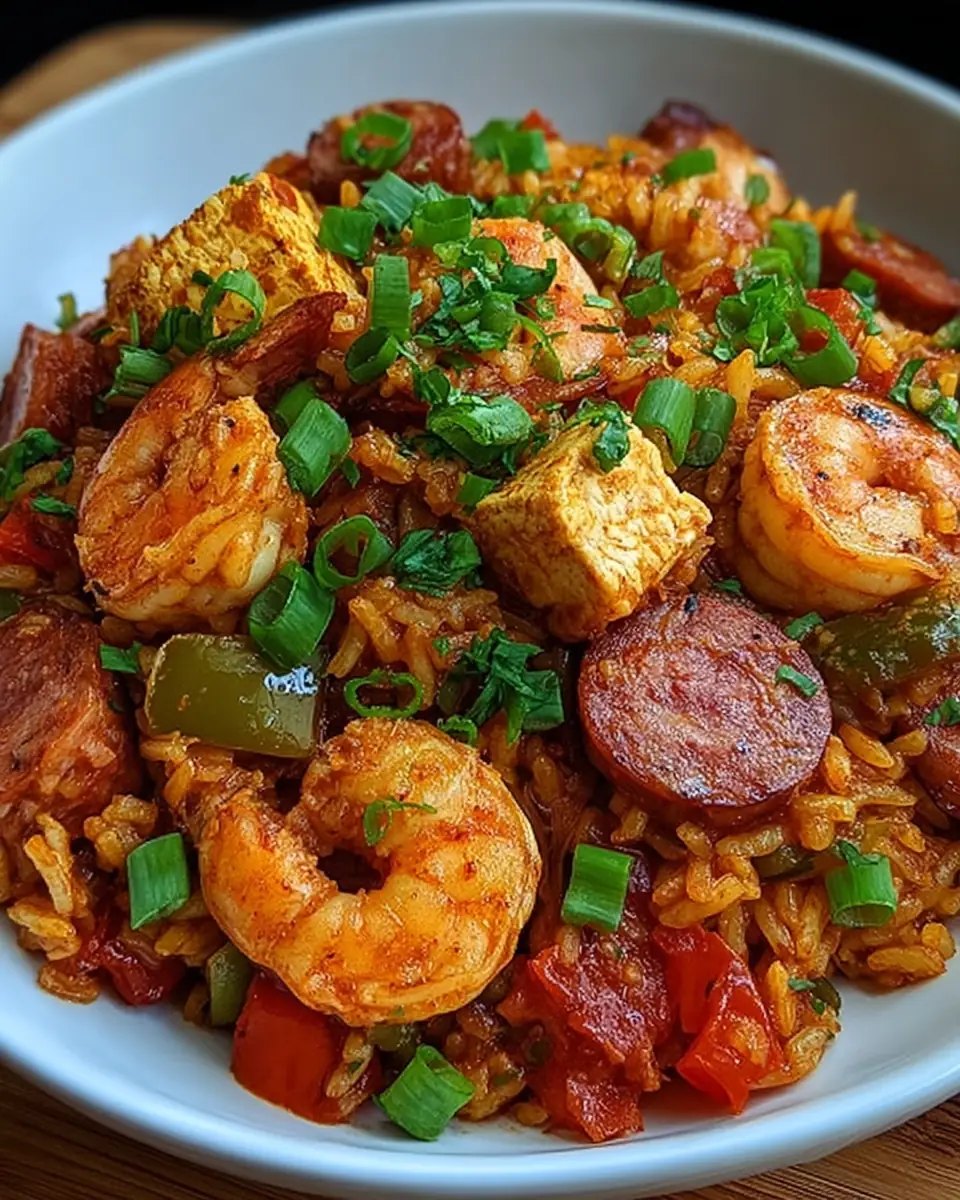
Exploring Jambalaya: A Culinary and Cultural Odyssey
Jambalaya is more than a recipe; it’s a cultural and culinary experience that encapsulates the diverse influences of Louisiana. While it’s a beloved staple in Southern cuisine, it’s also a reflection of the rich history and cultural amalgamation that defines the region. In this expansive exploration, we will uncover why jambalaya has become a staple in Southern dining, delve into its variations, and offer tips to perfect this iconic dish every time you prepare it.
One-Pot Jambalaya: A Flavorful Feast in Every Bite
Jambalaya is not just a meal; it’s a celebration of flavors and cultures. Originating from the melting pot that is Louisiana, this dish effortlessly combines African, French, and Spanish influences into one pot of pure comfort. This one-pot jambalaya recipe is designed to deliver bold and spicy flavors with minimal cleanup, making it perfect for weeknight dinners or a cozy weekend meal. It’s an easy way to bring the vibrant tastes of the South into your kitchen.
The Cultural Roots of Jambalaya
To truly appreciate jambalaya, it’s important to understand its rich cultural background. Louisiana, particularly New Orleans, is a tapestry of cultures, and jambalaya is a direct reflection of this diversity. The dish is said to have originated in the French Quarter of New Orleans, where Spanish settlers tried to recreate paella using local ingredients. The absence of saffron, a key ingredient in paella, led them to use tomatoes as a substitute, giving birth to what we now know as jambalaya.
Over time, African, Caribbean, and Native American influences shaped jambalaya into the dish we recognize today. The use of spices such as cayenne and paprika, the inclusion of okra, and the method of cooking rice all point to these diverse culinary influences. Each component of jambalaya tells a story of the people who brought their traditions and tastes to the region, creating a dish that is uniquely Louisianan.
Ingredients: A Symphony of Flavors
To create a jambalaya that is as authentic as it is delicious, you need to start with the right ingredients. This recipe combines hearty proteins, aromatic vegetables, and fragrant spices to create an unforgettable meal. Here’s what you’ll need:
- 1 pound andouille sausage, sliced: Adds a smoky, spicy depth that is essential for authentic jambalaya.
- 1 pound chicken breast, diced: Provides lean protein and complements the richness of the sausage.
- 1 medium onion, chopped: For a sweet and savory base that is integral to the dish’s flavor profile.
- 1 bell pepper, chopped: Use any color for a pop of brightness and flavor.
- 2 celery stalks, chopped: Adds a subtle crunch and is a staple in Creole cooking.
- 3 cloves garlic, minced: Infuses the dish with aromatic warmth.
- 1 can (14.5 oz) diced tomatoes (with juices): Brings acidity and moisture, serving as a base for the sauce.
- 1 cup long-grain rice, rinsed: Absorbs all the delicious flavors and is the backbone of the dish.
- 3 cups chicken broth: Adds richness and depth, ensuring the rice cooks up flavorful.
- 2 teaspoons Cajun seasoning (more to taste): The heart of the spice, bringing a kick to the dish.
- 1 teaspoon dried thyme: Offers earthy undertones that complement the spices.
- 1 bay leaf: For a subtle herbal aroma that rounds out the flavors.
- Salt and freshly ground black pepper, to taste: Essential seasonings to balance the flavors.
- 1 cup frozen shrimp, peeled and deveined: Adds a sweet, briny finish that enhances the dish.
- 2 green onions, sliced, for garnish: Offers a fresh, zesty note that brightens each serving.
- Fresh parsley, chopped, for garnish: Adds a fresh, verdant touch to the final presentation.
- 1–2 tablespoons cooking oil (for sautéing): Helps brown and flavor the proteins, forming the flavor foundation.
Step-by-Step Directions
1. Brown the Sausage: Start by heating 1-2 tablespoons of oil in a large pot or Dutch oven over medium heat. Add the sliced andouille sausage and cook for about 5 minutes, stirring occasionally, until it’s browned. This step enhances the sausage’s smoky flavor and renders some of its fat, which will enrich the entire dish. Once done, transfer the sausage to a plate and set it aside.
2. Cook the Chicken: In the same pot, add the diced chicken breast. Lightly season with salt and pepper and cook for 5–7 minutes until the chicken is browned and cooked through. Transfer the chicken to the plate with the sausage. The chicken will absorb the flavors left in the pot from the sausage, creating a depth of flavor that’s key to great jambalaya.
3. Sauté the Vegetables: Add the chopped onion, bell pepper, and celery to the pot. Sauté for 3–4 minutes, scraping up any browned bits from the bottom of the pot. This will infuse the vegetables with additional flavor. Stir in the minced garlic and cook for another 30 seconds until it’s fragrant. This process builds the flavor base, known in Creole cooking as the “holy trinity.”
4. Combine Key Ingredients: Pour in the diced tomatoes with their juices, rinsed rice, chicken broth, Cajun seasoning, dried thyme, bay leaf, and a pinch of salt and pepper. Stir well to combine and bring the mixture to a boil. The combination of spices and broth will begin to infuse the rice with flavor, making each bite richly satisfying.
5. Simmer to Perfection: Once boiling, reduce the heat to low. Cover the pot with a tight-fitting lid and let it simmer gently for about 20 minutes until the rice is tender and has absorbed most of the liquid. Avoid lifting the lid too often to ensure the rice steams properly and the flavors meld together beautifully.
6. Add the Proteins: Return the cooked sausage and chicken to the pot along with the frozen shrimp. Stir to combine, then cover and cook for an additional 5 minutes until the shrimp are pink, opaque, and cooked through. The addition of shrimp at this stage ensures they remain tender and juicy.
7. Final Touches: Remove the pot from the heat, discard the bay leaf, and taste. Adjust the seasoning with additional salt, pepper, or Cajun seasoning as desired. Let the jambalaya sit, covered, for 5 minutes to thicken slightly. This resting period allows the flavors to settle and deepen.
8. Serve and Garnish: Fluff the jambalaya gently with a fork. Garnish with sliced green onions and chopped fresh parsley before serving. These fresh garnishes add a burst of color and flavor that elevates the dish.
Variations and Tips for Perfect Jambalaya
Jambalaya is a versatile dish that can be customized to suit your taste and dietary preferences. Here are some variations and tips to make the perfect jambalaya:
1. Experiment with Proteins: While this recipe uses andouille sausage, chicken, and shrimp, you can mix and match proteins based on what you have on hand. Smoked sausage, beef, or even tofu can be excellent substitutions. For a more traditional take, consider using tasso ham or duck.
2. Spice it Up: Cajun seasoning can vary in spiciness, so feel free to adjust the amount based on your heat preference. Adding a pinch of cayenne pepper or a splash of hot sauce can elevate the heat level if desired.
3. Rice Matters: Long-grain rice is recommended for jambalaya as it holds its shape well and absorbs flavors beautifully. If using a different type of rice, adjust the cooking time and liquid accordingly. Arborio rice, for instance, will create a creamier texture, while brown rice will require a longer cooking time.
4. Vegetable Variations: Consider adding okra, which is traditional in some versions of jambalaya, or swap in other vegetables like zucchini or corn for added texture and flavor. These additions can make the dish even more vibrant and nutritious.
5. Seafood Special: For a seafood-only jambalaya, increase the amount of shrimp and add clams or mussels for a coastal twist. This variation is particularly popular in areas close to the Gulf of Mexico.
6. Make it Ahead: Jambalaya is a great dish to make ahead of time. The flavors deepen as it sits, making leftovers even more delicious. This makes it ideal for meal prep or for serving at a party where you want to impress without slaving over the stove.
7. Dietary Adjustments: For a vegetarian version, omit the meat and add more vegetables or use plant-based sausage. To make it gluten-free, ensure that the broth and any seasoning blends are certified gluten-free.
Nutritional Information
This dish serves six, with each serving containing approximately:
- Calories: 450 kcal
- Sugar: 5 g
- Sodium: 1150 mg
- Fat: 20 g
- Saturated Fat: 6 g
- Unsaturated Fat: 13 g
- Trans Fat: 0 g
- Carbohydrates: 38 g
- Fiber: 3 g
- Protein: 28 g
- Cholesterol: 155 mg
Total Time
- Prep Time: 15 minutes
- Cook Time: 30 minutes
- Total Time: 45 minutes
Conclusion
This one-pot jambalaya is more than just a vibrant, hearty dish; it’s a culinary journey into the heart of Louisiana. With its rich flavors, ease of preparation, and ability to adapt to different tastes and ingredients, jambalaya is perfect for those who crave a taste of the South without spending hours in the kitchen. Whether you’re cooking for family or hosting friends, this jambalaya is sure to impress with its bold, comforting flavors. Enjoy every bite of this delicious culinary journey, and relish the cultural heritage that each mouthful represents! With its storied past and versatile present, jambalaya is more than just food—it’s a way to experience and celebrate the diverse history and culture of Louisiana.
One-Pot Jambalaya

A hearty and flavorful dish that combines sausage, chicken, and shrimp with rice and vegetables, all cooked in one pot for easy cleanup.
- Large Pot or Dutch Oven
Main Ingredients
- 1 pound andouille sausage, sliced
- 1 pound chicken breast, diced
- 1 medium onion, chopped
- 1 unit bell pepper, chopped (any color)
- 2 stalks celery, chopped
- 3 cloves garlic, minced
- 1 can diced tomatoes with juices (14.5 oz)
- 1 cup long-grain rice, rinsed
- 3 cups chicken broth
- 2 tsp Cajun seasoning (more to taste)
- 1 tsp dried thyme
- 1 unit bay leaf
- Salt and freshly ground black pepper (to taste)
- 1 cup frozen shrimp, peeled and deveined
- 2 unit green onions, sliced (for garnish)
- Fresh parsley, chopped (for garnish)
- 2 tbsp cooking oil (for sautéing)
- Heat 1–2 tablespoons of oil in a large pot or Dutch oven over medium heat. Add the sliced andouille sausage and cook, stirring occasionally, until browned, about 5 minutes. Transfer the sausage to a plate and set aside.
- In the same pot, add the diced chicken breast. Season lightly with salt and pepper and cook, stirring occasionally, until browned on the outside and cooked through, 5–7 minutes. Transfer the chicken to the plate with the sausage.
- Add the chopped onion, bell pepper, and celery to the pot. Sauté for 3–4 minutes, scraping up any browned bits from the bottom, until the vegetables begin to soften. Stir in the minced garlic and cook for 30 seconds, just until fragrant.
- Pour in the diced tomatoes with their juices, the rinsed rice, chicken broth, Cajun seasoning, dried thyme, bay leaf, and a pinch of salt and pepper. Stir well to combine and bring the mixture up to a boil.
- Once boiling, reduce the heat to low, cover the pot with a tight-fitting lid, and let it simmer gently for about 20 minutes, or until the rice is tender and has absorbed most of the liquid. Avoid lifting the lid too often so the rice steams properly.
- Return the cooked sausage and chicken to the pot, along with the frozen shrimp. Stir to combine, then cover and cook for an additional 5 minutes, or until the shrimp are pink, opaque, and cooked through.
- Remove the pot from the heat. Discard the bay leaf, taste, and adjust seasoning with additional salt, pepper, or Cajun seasoning if desired.
- Let the jambalaya sit, covered, for 5 minutes to thicken slightly. Fluff gently with a fork, then garnish with sliced green onions and chopped fresh parsley before serving.
Serve this jambalaya with a side of cornbread for a complete meal. Feel free to adjust the spice level by adding more or less Cajun seasoning.