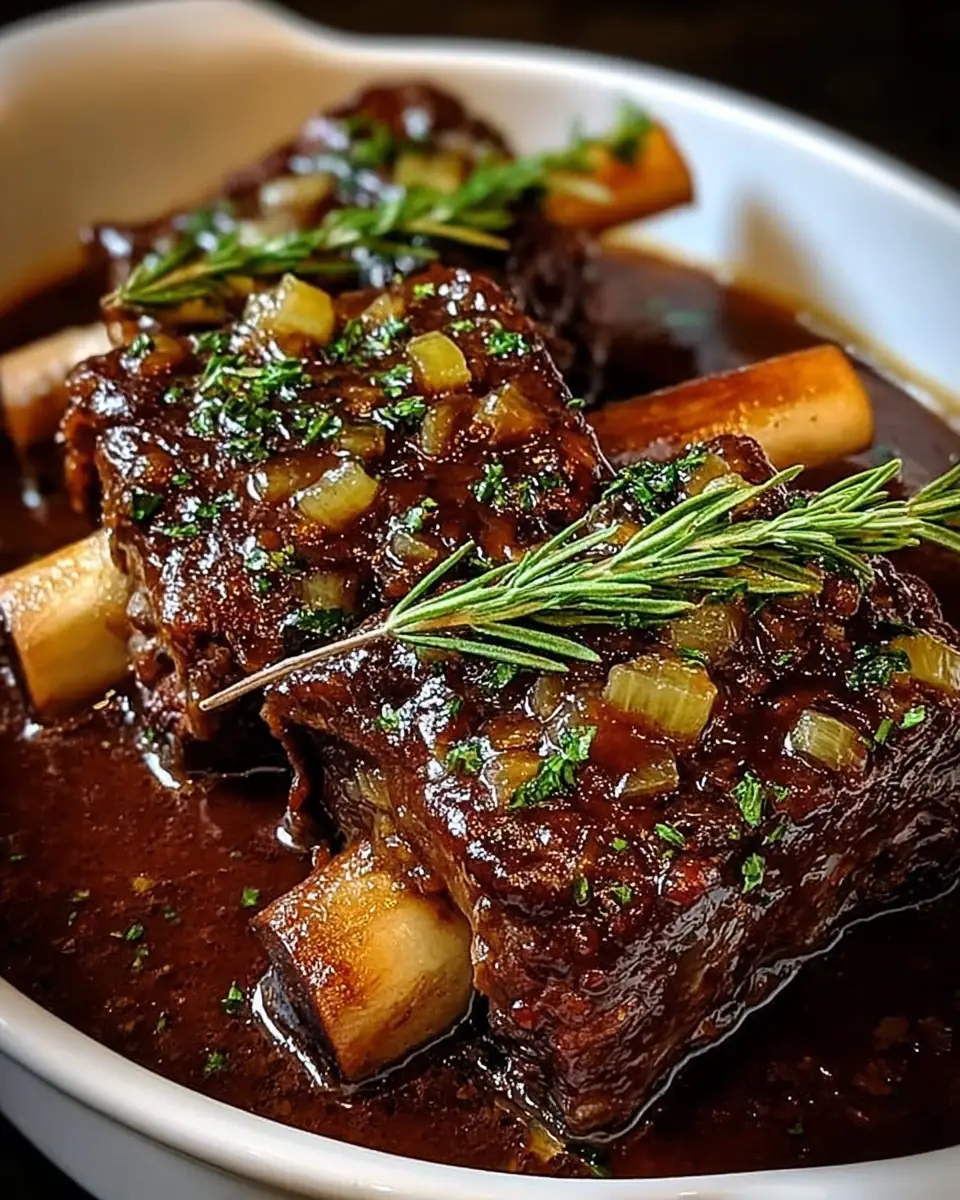
Embracing the Art of Slow Cooking: Rustic Fall-Off-the-Bone Lamb Shanks Simmered in Deep Burgundy Wine Gravy
As the leaves turn from vibrant green to golden hues and the air grows crisp and cool, there is a magical transition that occurs not just in nature, but also in our kitchens. The onset of autumn brings with it a craving for meals that offer warmth, comfort, and an inviting aroma that envelops the entire home. In this spirit, we present a dish that is the embodiment of culinary comfort: Rustic Fall-Off-the-Bone Lamb Shanks Simmered in Deep Burgundy Wine Gravy. This recipe is more than just a meal; it’s an experience, an invitation to gather around the table, and savor the joys of cooking and sharing.
The Allure of Lamb Shanks
Lamb shanks, with their rich, robust flavor and tender texture, are a cut of meat that truly shines when cooked slowly. They belong to the lower section of the animal’s leg and contain a good amount of connective tissue, which, when cooked over a long period, breaks down into gelatin, resulting in meat that is succulent and effortlessly falls off the bone. The deep flavors of the lamb are beautifully complemented by the burgundy wine gravy, which infuses the dish with layers of complexity and warmth.
Ingredients: A Symphony of Flavors
Lamb Shanks: Selecting quality lamb shanks is crucial for this dish. Look for shanks that are fresh with a good amount of meat around the bone. This cut is relatively inexpensive compared to other lamb cuts, making it a budget-friendly choice for a gourmet meal.
Seasoning: Salt and freshly ground black pepper are essential for enhancing the natural flavors of the lamb. Don’t skimp on these as they form the foundation of a well-seasoned dish.
Fat and Flavor: Olive oil is used to sear the lamb, creating a flavorful crust that locks in juices. This step is vital for adding depth to the dish.
Vegetables: The classic mirepoix of onion, carrot, and celery forms the aromatic base, providing sweetness and complexity to the sauce.
Aromatic: Garlic is a must-have, lending its unmistakable aroma and robust flavor to the dish.
Tomato Base: Tomato paste and crushed tomatoes add acidity and richness, balancing the flavors and enhancing the sauce’s body.
Liquids: A good quality dry red wine is crucial as it forms the backbone of the gravy. Choose a wine you enjoy drinking, as its flavors will be concentrated in the sauce. Beef stock adds depth and rounds out the flavors.
Herbs and Spices: Fresh rosemary, thyme, and bay leaves are the aromatic trio that infuse the dish with earthy, herbal notes.
Finishing Touch: Balsamic vinegar adds a hint of sweetness and acidity, while a tablespoon of butter gives the sauce a silky texture.
Garnish: Fresh chopped parsley provides a pop of color and a hint of freshness that brightens the dish.
Step-by-Step Culinary Journey
Preparation and Searing
The journey begins with the preparation of the lamb shanks. Patting them dry ensures a better sear, which is essential for developing flavor. Seasoning generously with salt and pepper ensures that the meat is well-flavored throughout. Searing the shanks in olive oil over medium-high heat until deeply browned creates a flavorful crust that seals in the juices, setting the stage for a rich and satisfying dish.
Building the Flavorful Base
Once the lamb is seared, the same pot is used to sauté the mirepoix—onions, carrots, and celery. This step is where the foundation of the dish’s flavor is built. The key is to sauté until the vegetables are softened, releasing their natural sweetness. Adding minced garlic just before moving on ensures it doesn’t burn, maintaining its aromatic quality.
Deepening the Flavor Profile
Incorporating tomato paste and cooking it until it deepens in color is a technique that heightens the tomato’s natural sweetness and flavor. This is followed by deglazing the pot with red wine, which lifts the fond—the flavorful bits stuck to the bottom—into the sauce, enriching its taste. The wine is allowed to simmer and reduce, concentrating its flavors and melding with the tomato essence.
Crafting the Sauce and Braising
Adding beef stock and crushed tomatoes completes the sauce base. Returning the lamb shanks to the pot, they are nestled among the vegetables and herbs, ready for the slow transformation in the oven. The low and slow braising process—2½ to 3 hours at 325°F (165°C)—allows the meat to become tender and the flavors to meld beautifully.
Perfecting the Sauce
After braising, the lamb shanks are removed, and the sauce is simmered to thicken. Adding balsamic vinegar introduces a subtle acidity that balances the rich flavors, while butter enriches the sauce, providing a glossy finish.
Serving Suggestions and Pairings
The lamb shanks are best served with accompaniments that can soak up the luscious sauce. Creamy mashed potatoes or a hearty polenta are excellent choices, offering a comforting base. Roasted root vegetables, such as parsnips, carrots, and potatoes, provide additional texture and flavor, while a simple green salad with a tangy vinaigrette can serve as a refreshing contrast.
Mastering the Art of Slow Cooking
This rustic lamb shank recipe is a testament to the transformative power of slow cooking. It’s a dish that transcends the ordinary, turning a simple cut of meat into an extraordinary culinary masterpiece. As you gather around the table, each bite tells a story of care, tradition, and the joy of sharing a meal with loved ones. In the world of comfort cooking, there are few experiences as satisfying as savoring a dish that has been crafted with time, patience, and love. Enjoy this journey into the heart of autumnal flavors, and let it inspire your own culinary adventures.
Exploring the Historical and Cultural Significance of Lamb Shanks
Lamb, a meat adored by many cultures worldwide, carries historical and cultural significance that adds depth to its role in culinary traditions. In Mediterranean countries, lamb is often reserved for special occasions and religious celebrations, symbolizing prosperity and community. In Greece, for instance, lamb is a centerpiece during Easter, representing renewal and rebirth. Similarly, in Middle Eastern cultures, lamb is a staple in festive meals, often prepared with a variety of spices and herbs that reflect the region’s rich culinary heritage.
This dish, while rooted in rustic European traditions, pays homage to these global influences. The use of red wine in the recipe is reminiscent of French cooking techniques, where wine is a fundamental component of classic dishes like Coq au Vin and Boeuf Bourguignon. The slow-cooking method, meanwhile, is a universal approach, found in cuisines around the world, from the tagines of Morocco to the stews of Ireland.
The Science of Slow Cooking: Why It Works
The art of slow cooking is as much about science as it is about tradition. The process of braising, which involves cooking the meat slowly in liquid at a low temperature, allows tough cuts of meat like lamb shanks to become incredibly tender. The connective tissues in the meat break down into gelatin, which not only tenderizes the meat but also enriches the sauce, creating a luxurious mouthfeel.
The Maillard reaction, which occurs when the lamb is seared, contributes to the dish’s deep flavor profile. This chemical reaction between amino acids and reducing sugars gives browned food its distinctive taste. Additionally, the slow reduction of the wine and stock intensifies the flavors, resulting in a sauce that is rich and complex.
Tips for Success: Elevating Your Cooking Experience
Choosing the Right Wine: The choice of wine can significantly impact the final flavor of the dish. Opt for a dry red wine with good acidity and fruitiness, such as a Burgundy, Merlot, or Cabernet Sauvignon. Avoid cooking wines, as they often contain added salt and preservatives that detract from the dish’s flavor.
Patience is Key: Resist the temptation to rush the cooking process. The magic of this dish lies in its slow transformation, where flavors meld and develop over time. Allowing the lamb to cook slowly ensures the meat becomes tender and the sauce achieves the perfect consistency.
Adjusting Seasonings: Taste the sauce before serving and adjust the seasonings as needed. Depending on your preferences, you may want to add a touch more salt, pepper, or even a hint of sugar to balance the acidity of the tomatoes and wine.
Beyond the Recipe: Variations and Customizations
Cooking is an art, and this recipe serves as a canvas for your creativity. Here are a few variations and customizations to consider:
Spice it Up: Introduce additional spices such as cumin, coriander, or cinnamon for a Middle Eastern twist. These spices complement the lamb beautifully and add an exotic flair to the dish.
Root Vegetable Medley: Consider incorporating a wider variety of root vegetables into the braise, such as turnips, rutabagas, or sweet potatoes, for added depth and complexity.
Herb Variations: Experiment with different herbs like sage or oregano to put your personal stamp on the dish. Each herb brings its own unique flavor profile that can subtly change the character of the meal.
Concluding Thoughts: The Joy of Sharing
Rustic Fall-Off-the-Bone Lamb Shanks Simmered in Deep Burgundy Wine Gravy is more than just a dish; it’s an opportunity to create memories and connections around the table. As you prepare this meal, consider inviting friends or family to join you in the kitchen. Cooking together can be a wonderful way to bond and share in the joy of creating something delicious.
As the aroma of simmering lamb fills your home, let it serve as a reminder of the simple pleasures that come with sharing a meal. Whether it’s a quiet evening with loved ones or a festive gathering, this dish is sure to be a centerpiece of warmth and hospitality. Embrace the art of slow cooking, and let this recipe inspire your culinary journey, wherever it may lead.


Rustic Fall-Off-the-Bone Lamb Shanks Simmered in Deep Burgundy Wine Gravy
Indulge in the tender, fall-off-the-bone lamb shanks simmered in a rich and aromatic burgundy wine gravy. Perfect for a comforting dinner.
- Dutch Oven
Lamb Shanks
- 4 lamb shanks ((about 3–4 lbs total))
- Salt and freshly ground black pepper (to taste)
- 2 tbsp olive oil
- 1 large onion, diced
- 2 carrots, chopped
- 2 celery stalks, chopped
- 4 cloves garlic, minced
- 2 tbsp tomato paste
- 2 cups dry red wine
- 2 cups beef stock
- 1 cup crushed tomatoes
- 2 sprigs fresh rosemary
- 3 sprigs fresh thyme
- 2 bay leaves
- 1 tbsp balsamic vinegar
- 1 tbsp butter (optional, for finishing)
- Fresh chopped parsley (for garnish)
- Preheat oven to 325°F (165°C). Pat lamb shanks dry and season generously with salt and pepper.
- Heat olive oil in a large Dutch oven over medium-high heat. Sear lamb shanks on all sides until deeply browned, about 8–10 minutes total. Remove and set aside.
- In the same pot, add onion, carrots, and celery. Sauté for 5–6 minutes until softened. Stir in garlic and cook for 1 minute.
- Add tomato paste and cook for 2 minutes to deepen the flavor.
- Pour in red wine, scraping up any browned bits from the bottom of the pot. Let simmer for 8–10 minutes until slightly reduced.
- Stir in beef stock and crushed tomatoes. Return lamb shanks to the pot. Add rosemary, thyme, and bay leaves.
- Cover and transfer to the oven. Braise for 2½ to 3 hours, turning shanks halfway through, until meat is fork-tender and nearly falling off the bone.
- Remove shanks and keep warm. Simmer sauce uncovered on the stovetop for 10–15 minutes to thicken. Stir in balsamic vinegar and butter for a glossy finish.
- Spoon the rich red wine sauce over the lamb shanks and garnish with fresh parsley before serving.
This dish pairs beautifully with creamy mashed potatoes or crusty bread to soak up the rich sauce. Perfect for special occasions or when you want to impress your guests.