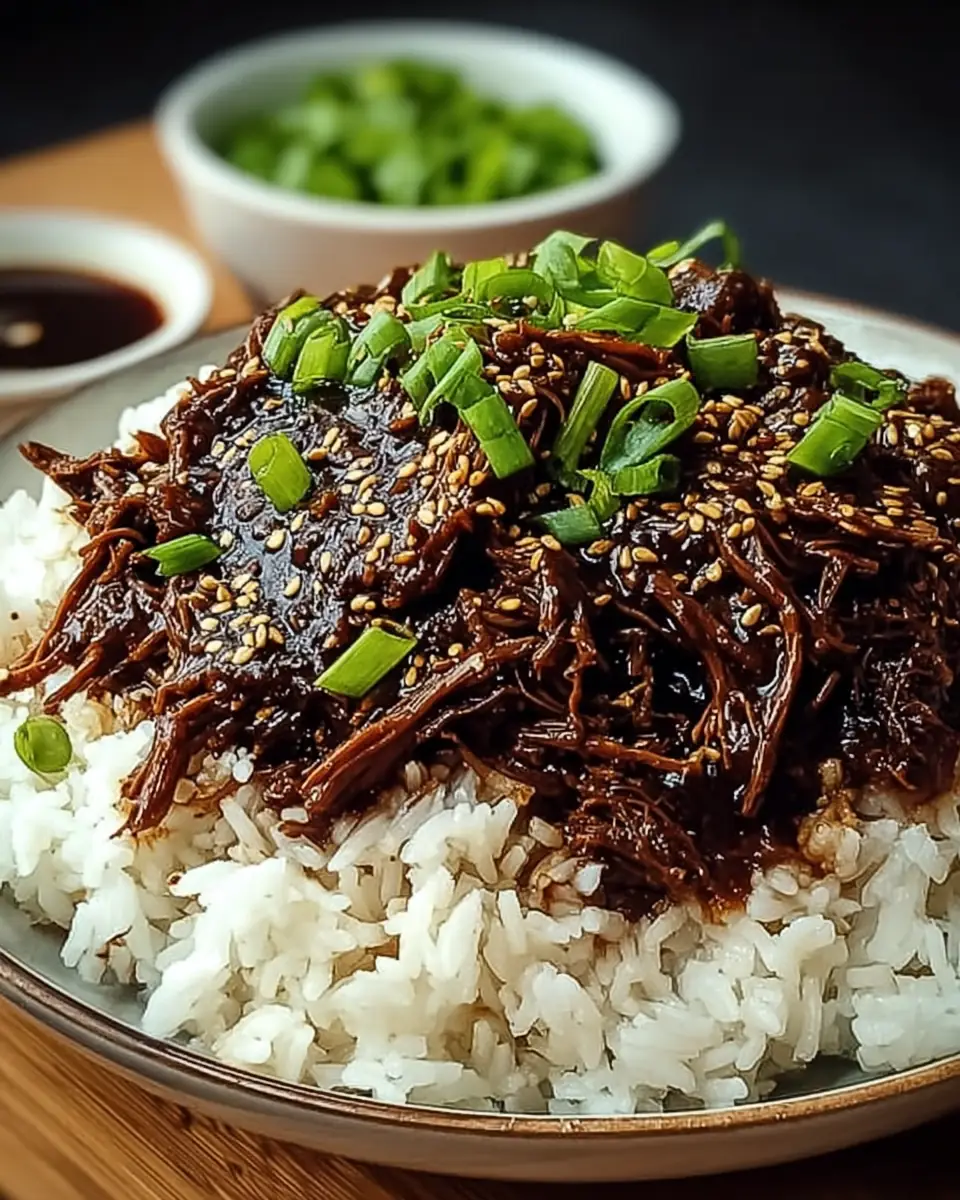
Slow Cooker Korean Beef: Savory Comfort for Busy Nights
There’s nothing quite like coming home to the aroma of a warm, hearty meal ready to be served. Slow Cooker Korean Beef is the quintessential comfort food, blending the richness of tender beef with the savory-sweet flavors of a traditional Korean sauce. Whether you’re juggling a busy schedule or simply craving a satisfying dish, this recipe promises to deliver on both convenience and taste. Let’s dive deeper into the ingredients, preparation, and cultural significance of this delightful dish.
The Cultural Essence of Korean Cuisine
Korean cuisine is renowned for its bold flavors and emphasis on fresh, wholesome ingredients. Central to Korean cooking are the concepts of balance and harmony, which are reflected in the meticulous pairing of flavors—sweet, savory, spicy, and tangy. This Slow Cooker Korean Beef recipe captures these elements perfectly, incorporating ingredients that are staples in Korean kitchens and offering a modern twist that suits today’s busy lifestyles.
Korean food is not just about taste; it’s an experience that combines tradition, health, and a deep connection to nature. Each meal is a tapestry of flavors, colors, and nutrients that reflect the seasons and the natural landscape of Korea. This cultural significance is embodied in everyday dishes like kimchi, bibimbap, and bulgogi, which highlight the importance of vegetables and fermentation for flavor and health.
Ingredients Breakdown
Beef: Opt for boneless beef short ribs or chuck roast, ideally with marbling to ensure melt-in-your-mouth tenderness. These cuts are perfect for slow cooking, allowing the connective tissues to break down and infuse the dish with flavor. The choice of beef cut is crucial, as it affects the final texture and taste. When cooked slowly, the beef becomes incredibly tender, absorbing the flavors of the sauce, making each bite a delectable experience. In Korean cuisine, beef represents prosperity and is often reserved for special occasions, making this dish both a treat and a testament to cultural values.
Aromatics: Yellow onion, fresh ginger, and garlic form the aromatic base, each adding layers of sweetness, warmth, and pungency. Feel free to substitute shallots or use pre-minced garlic for convenience. These aromatics are not only flavor enhancers but also carry health benefits, such as anti-inflammatory properties from garlic and ginger, adding to the overall nutritional value of the meal. Ginger and garlic are staples in Korean cooking, revered not only for their flavors but also for their medicinal properties, which have been recognized in Korean herbal medicine for centuries.
Sauce: A harmonious blend of low-sodium soy sauce, light brown sugar, rice vinegar, and toasted sesame oil forms the backbone of the sauce, offering umami, sweetness, acidity, and nuttiness. Gochujang adds a mild kick, balanced by honey or maple syrup for additional sweetness. The sauce is a symphony of flavors, each ingredient playing a pivotal role in creating depth and richness. Gochujang, a fermented Korean chili paste, introduces heat and complexity, while sesame oil infuses a nutty aroma, elevating the dish to new heights. The use of fermentation in gochujang not only enhances flavor but also promotes gut health, a common theme in Korean dietary practices.
Garnishes: Fresh green onions, toasted sesame seeds, and cilantro provide a vibrant finish, enhancing both flavor and presentation. These garnishes are more than decorative; they add texture, a burst of color, and an additional layer of flavor that complements the main ingredients beautifully. In Korean cooking, garnishes are essential for visual appeal and to provide a contrast of textures and flavors, completing the dish both aesthetically and gastronomically.
Step-by-Step Instructions
Step 1: Prepare Beef & Aromatics
Begin by trimming excess fat from the beef and cutting it into 2-inch chunks. Chop the onion into bite-sized pieces, setting the stage for the rich flavors to come. Proper preparation is key to ensuring even cooking and optimal flavor absorption. The attention to detail in preparation reflects the Korean culinary philosophy, where every step is performed with care to maintain the integrity and flavor of the ingredients.
Step 2: Sear Beef
Heat olive oil in a skillet over medium-high heat. Sear the beef chunks for 2-3 minutes per side until they are nicely browned. This step locks in the juices and enhances the beef’s flavor profile. Transfer the seared beef and chopped onion to your slow cooker. Searing is a crucial step that often gets overlooked. It caramelizes the surface of the beef, sealing in the juices and creating a depth of flavor that permeates the entire dish. This technique, akin to the traditional Korean method of grilling, ensures that the dish retains its savory essence.
Step 3: Prepare Korean Sauce
In a bowl, whisk together soy sauce, brown sugar, rice vinegar, sesame oil, grated ginger, minced garlic, gochujang, honey, and freshly ground black pepper. This sauce is the heart of the dish, imparting a rich and complex flavor. The balance of sweet and savory elements in the sauce is essential for capturing the essence of Korean cuisine. The preparation of the sauce embodies the Korean concept of “jang,” which refers to sauces and pastes that are foundational to Korean cooking, symbolizing the blend of flavors that define Korean food.
Step 4: Combine & Cook
Pour the prepared sauce over the beef and onions in the slow cooker. Set the slow cooker to low for 6-8 hours or high for 3-4 hours, allowing the beef to become tender and flavorful. The slow cooking process allows the meat to become incredibly tender while the flavors meld together, creating a harmonious dish that requires minimal attention. The slow cooker, a modern innovation, aligns with the traditional Korean practice of slow simmering stews, echoing the patience and care inherent in Korean cooking.
Step 5: Shred Beef & Thicken Sauce
Once cooked, remove the beef from the slow cooker and shred it using two forks. If desired, create a slurry with cornstarch and cold water to thicken the sauce. Stir this mixture into the sauce and let it cook for an additional 10-15 minutes. Thickening the sauce enhances its ability to coat the shredded beef, ensuring each bite is rich and flavorful. This step mirrors the meticulous attention to detail seen in Korean cuisine, where the texture of the sauce is just as important as its flavor.
Step 6: Finish & Serve
Return the shredded beef to the thickened sauce, stirring to coat each piece. Serve the Korean beef over a bed of rice, garnished with thinly sliced green onions, toasted sesame seeds, and a sprinkle of fresh cilantro. For those who enjoy a bit of heat, a dash of red pepper flakes can be added. Serving over rice not only complements the flavors but also makes it a complete and satisfying meal. Rice, a staple in Korean meals, symbolizes life and sustenance, making it an integral part of the dining experience.
Nutritional Information
A serving of this savory Korean beef provides a well-rounded meal: – Calories: 300 kcal – Carbohydrates: 15 g – Protein: 25 g – Fat: 15 g – Saturated Fat: 5 g – Cholesterol: 70 mg – Sodium: 800 mg – Fiber: 1 g – Sugar: 8 g – Unsaturated Fat: 10 g
It’s important to note that while this dish is rich in flavor, it’s also balanced in nutrients. The protein content supports muscle health, while the fats, primarily unsaturated, contribute to heart health. Adjusting the sodium content by choosing low-sodium soy sauce and controlling other salty ingredients can make this dish even healthier. The nutritional balance reflects the Korean approach to healthful eating, where meals are designed to provide both pleasure and nourishment.
Timing is Everything
With just 15 minutes of prep time, this dish fits seamlessly into any schedule, allowing you to focus on other tasks while your slow cooker works its magic over 8 hours. The result is a satisfying, flavorful meal that feels like a treat but requires minimal effort. The slow cooker is a home cook’s best friend, particularly for those who are time-strapped but still desire a home-cooked meal. This modern convenience echoes the traditional Korean practice of letting flavors develop over time, ensuring a depth of taste that can’t be rushed.
Pairing Suggestions
To complement this dish, consider serving it with traditional Korean side dishes, known as banchan, such as kimchi, pickled radishes, or sautéed spinach. These sides add texture and contrast to the beef, providing a more authentic Korean dining experience. Additionally, a light cucumber salad dressed with sesame oil and vinegar can offer a refreshing counterpoint to the rich beef. Banchan are more than side dishes; they represent the communal aspect of Korean meals, where sharing a variety of flavors is integral to the dining experience.
Conclusion
Slow Cooker Korean Beef is the ideal recipe for those looking to enjoy a delightful, home-cooked meal without the fuss. Its blend of savory and sweet flavors, combined with the ease of preparation, makes it a go-to dish for busy nights. Serve it over rice, and you have a complete meal that’s sure to please everyone at the table. Enjoy this comforting classic, knowing that a delicious dinner is just a slow cook away. By understanding the cultural roots and culinary techniques involved, you can appreciate the depth and richness that this dish brings to your table, making each meal a celebration of Korean culinary tradition.
Korean cuisine is not just about the food on the plate; it’s about the stories, traditions, and cultural heritage that each meal represents. By preparing Slow Cooker Korean Beef, you are not just cooking; you are participating in a rich culinary tradition that spans generations. Whether you are new to Korean flavors or a seasoned enthusiast, this dish offers a taste of Korea that is both accessible and deeply satisfying. As you savor each bite, let the flavors transport you to a place where food is more than sustenance—it is a celebration of life, family, and culture.


Slow Cooker Korean Beef: Savory Comfort for Busy Nights
This savory Korean beef dish is the perfect comfort food for busy nights, made effortlessly in a slow cooker.
- Slow Cooker
- Skillet
Main Ingredients
- 3-4 lbs Boneless beef short ribs or chuck roast (Choose cuts with marbling for extra tenderness.)
- 1 large Yellow onion, chopped (Adds sweetness and depth; shallots can be a milder substitute.)
- 2 tbsp Fresh ginger, grated (Brings warmth; consider powdered ginger for convenience.)
- 6-8 cloves Fresh garlic, minced (Enhances aroma; pre-minced garlic works in a pinch.)
- 240 ml Low-sodium soy sauce (Provides umami; tamari is a great gluten-free alternative.)
- 120 g Light brown sugar, packed (Balances savory elements; use coconut sugar for a lower glycemic option.)
- 60 ml Rice vinegar, not seasoned (Adds acidity; apple cider vinegar can substitute.)
- 60 ml Toasted sesame oil (Imparts a nutty flavor; olive oil serves as a reduced-quantity substitute.)
- 1 tbsp Gochujang (Adds a mild kick; omit for a milder flavor or use sriracha instead.)
- 1 tbsp Honey or maple syrup (Additional sweetness; agave nectar works too.)
- 0.5 tsp Black pepper, freshly ground (Elevates the overall flavor profile.)
- 2-3 tbsp Cornstarch (Use for a richer sauce texture.)
- 30-45 ml Cold water (Creates a slurry to thicken the sauce.)
- 4-5 stalks Green onions, thinly sliced (Adds freshness and color; perfect for a pop of flavor.)
- 2 tbsp Toasted sesame seeds (Offers texture and visual appeal.)
- Red pepper flakes (Optional; sprinkle for extra heat, if desired.)
- Fresh cilantro, chopped (A fresh finish to brighten the dish.)
- Trim excess fat from the beef and cut into 2-inch chunks. Chop the onion into bite-sized pieces.
- Heat olive oil in a skillet over medium-high heat. Sear beef chunks for 2-3 minutes per side until browned. Transfer to slow cooker with chopped onion.
- In a bowl, whisk together soy sauce, brown sugar, rice vinegar, sesame oil, ginger, garlic, gochujang, honey, and black pepper.
- Pour sauce over the beef and onions in the slow cooker. Cook on low for 6-8 hours or high for 3-4 hours until tender.
- Remove beef, shred it, and optionally mix cornstarch with water to thicken the sauce in the slow cooker.
- Return shredded beef to sauce, stir to coat, and serve over rice, garnished with green onions, sesame seeds, and cilantro.
Serve over steamed rice or noodles for a complete meal. Adjust the level of spiciness by varying the amount of gochujang and red pepper flakes.