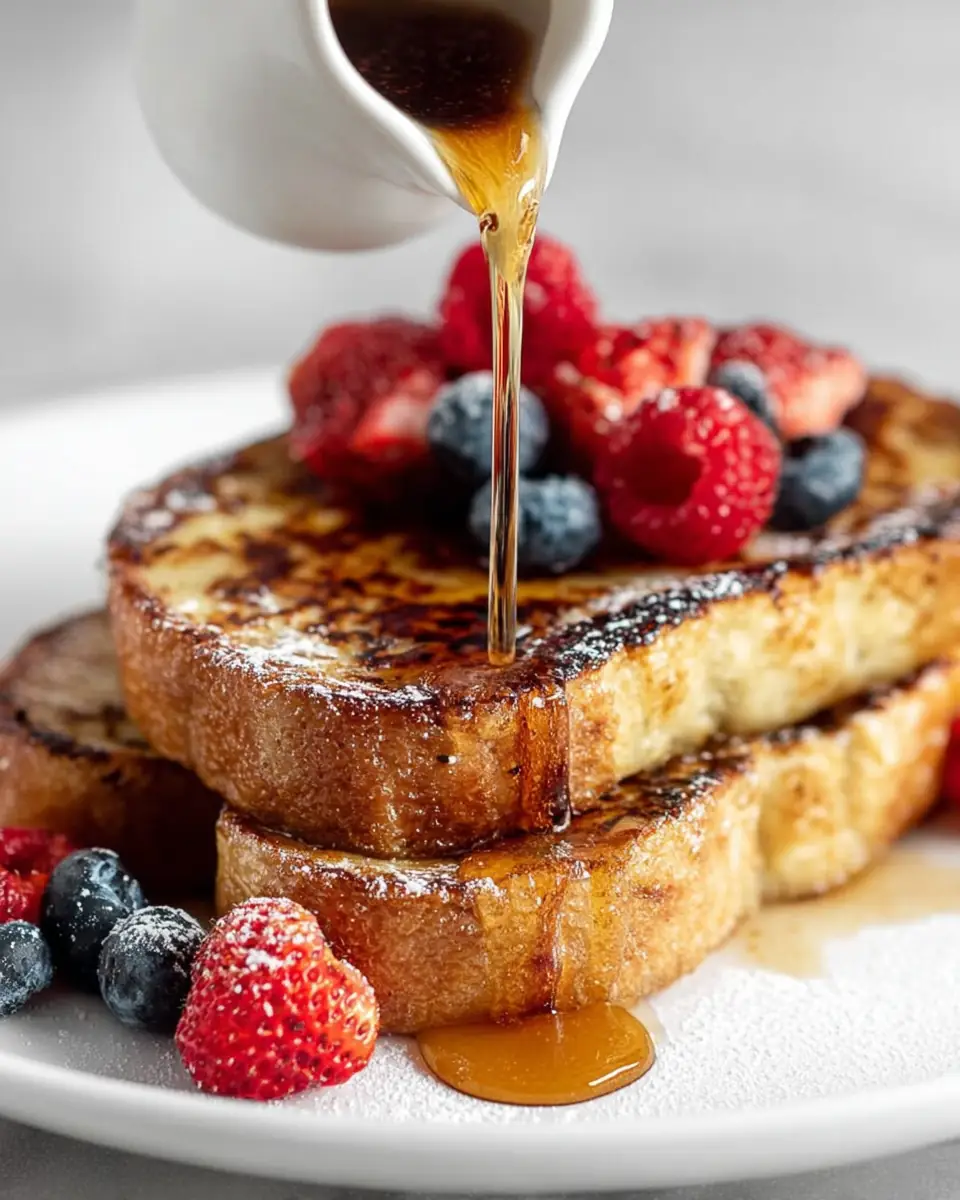
Savoring the Morning: A Dive into Homemade Sourdough French Toast
Breakfast is often heralded as the most important meal of the day, a notion that rings especially true with a dish as delightful as Homemade Sourdough French Toast. Whether you’re planning a leisurely weekend brunch or seeking a quick weekday treat, this recipe promises to transform your mornings. With its crispy edges and custardy center, this French toast takes simple kitchen staples and turns them into a breakfast masterpiece that leaves everyone around your table craving for more. Let’s embark on a culinary journey to explore this delectable recipe and uncover the secrets to crafting the perfect French toast every time.
The Magic of Sourdough
Sourdough bread is the hero of this dish, and for good reason. Unlike regular white bread, sourdough boasts a tangy flavor and a chewy texture that make it particularly well-suited for soaking up the rich custard mixture without falling apart. Its robust structure allows it to absorb the egg mixture thoroughly, ensuring each bite is infused with flavor. But the allure of sourdough doesn’t stop at its taste and texture—it also offers nutritional benefits. Sourdough is easier to digest than many other breads, thanks to the fermentation process that breaks down gluten. This makes it a more gut-friendly option compared to its counterparts.
The History and Tradition of Sourdough
Sourdough has a rich history that dates back thousands of years. It is one of the oldest forms of leavened bread, tracing its origins to ancient Egypt. The bread’s distinctive tang and texture come from naturally occurring lactobacilli and wild yeast, which ferment the dough. This traditional method of bread-making is not only flavorful but also a testament to the culinary ingenuity of ancient civilizations. Today, sourdough continues to be celebrated for both its flavor and its artisanal crafting process, making it a staple in kitchens around the world.
Ingredients and Their Roles
Before diving into the cooking process, let’s explore why each ingredient in this recipe is essential:
Eggs: Acting as the backbone of the custard mixture, eggs provide richness and structure. They help the bread achieve that coveted creamy interior while adding protein to the dish.
Milk: The milk in the custard adds creaminess and helps the bread soak up flavors. Whole milk is typically preferred for its richness, but alternatives like almond or oat milk can be used for those who are lactose intolerant or prefer a dairy-free option.
Vanilla Extract: This ingredient is not just for aroma; it adds a warm, comforting essence that elevates the overall flavor of the French toast.
Cinnamon: A hint of spice that pairs beautifully with vanilla. Cinnamon is a classic addition that brings warmth and depth to the dish.
Butter: Essential for cooking, butter gives the French toast its irresistible golden crust. It also imparts a rich flavor that enhances the overall taste.
Toppings (Cinnamon sugar, maple syrup, fresh berries): These are the finishing touches that add sweetness and texture, allowing for customization based on personal preferences.
Exploring Ingredient Substitutions
While the classic ingredients lay the foundation for an authentic French toast experience, substitutions allow you to tailor the dish to dietary needs or personal preferences. For example, swapping out traditional dairy milk for plant-based alternatives like coconut milk can introduce a subtle tropical flavor. Similarly, using agave syrup or honey instead of maple syrup can offer different layers of sweetness. For those watching their sugar intake, a sugar substitute or leaving out sugar altogether in the custard can still yield a delicious result.
The Art of Preparation
Creating the perfect French toast is an art form, one that balances precision with a touch of creativity. Here’s how you can master it:
Step 1: Crafting the Custard Mixture
The first step involves creating a custard that will infuse your sourdough with flavor. In a shallow baking dish, whisk together the eggs, milk, vanilla extract, and cinnamon. Ensure the mixture is well combined for an even flavor distribution. This base is the heart of your dish, setting the stage for the delicious transformation of your bread.
Step 2: Soaking the Bread
Once your custard is ready, it’s time to soak the sourdough slices. Place each slice in the egg mixture, flipping them over to ensure both sides are evenly coated. Allow each slice to soak for about 5-10 seconds per side, pressing gently to help the bread absorb the mixture without becoming too soggy. This step is crucial for achieving the perfect texture—creamy inside while maintaining a slight crispness on the outside.
Step 3: The Perfect Cook
With your bread soaked, it’s time to cook. Melt the butter in a large nonstick skillet over medium heat. When the butter begins to foam, it’s the perfect time to add the soaked slices. Cook each slice for about 2-4 minutes per side, until they become beautifully golden brown. It’s important to maintain medium heat to ensure even cooking; too hot and the toast will burn, too low and it may become soggy. Repeat with the remaining slices, adding more butter as needed to keep each batch golden and crisp.
Step 4: Serve and Savor
The final step is all about presentation and enjoying your creation. Top your French toast with butter, a drizzle of maple syrup, a sprinkle of cinnamon sugar, and a handful of fresh berries. The combination of flavors and textures is a symphony for the senses, making every bite a delight.
Presentation Tips
Presentation can elevate your French toast from a simple breakfast to a gourmet experience. Consider dusting your plate with powdered sugar for a snowy effect, or placing a small dollop of whipped cream atop the toast for added elegance. For a splash of color, arrange the fresh berries around the toast with care, creating a visually appealing arrangement that entices the eyes as much as the palate.
Nutritional Insights

Understanding the nutritional content of your meals can enhance your culinary experience. Here’s a breakdown of the nutrition information for this French toast recipe:
- Calories: 325 per serving
- Sugar: 5.5 g
- Sodium: 519.8 mg
- Fat: 11 g (Saturated Fat: 5.3 g, Trans Fat: 0 g)
- Carbohydrates: 42.7 g
- Fiber: 1.9 g
- Protein: 12.6 g
- Cholesterol: 111.3 mg
Each serving provides a balanced mix of macronutrients, making this dish not only delicious but also a nourishing start to your day.
Delving Deeper into Nutritional Benefits
Beyond the basic nutritional breakdown, it’s worth exploring the health benefits of each component. Eggs, for example, are a powerhouse of essential nutrients, including vitamins B2, B6, B12, D, selenium, and zinc. These contribute to brain health and immune function. Sourdough bread, with its natural fermentation process, contains probiotics that promote a healthy gut microbiome. Additionally, the use of fresh berries introduces antioxidants and vitamins, enhancing both flavor and health benefits.
Timing is Everything
Efficient cooking is all about timing, and this recipe is no exception:
- Prep Time: 2 minutes
- Cook Time: 10 minutes
- Total Time: 12 minutes
This quick preparation time means you can enjoy a gourmet breakfast even on busy mornings.
Managing Kitchen Workflow
To streamline your morning cooking process, consider preparing your custard mixture the night before and storing it in the fridge. This allows you to jump straight into cooking without the need to measure and mix ingredients in the morning. Additionally, pre-slicing your sourdough and storing it in an airtight container can save precious time, ensuring you’re ready to cook as soon as the skillet is hot.
Tips for French Toast Perfection
While the recipe is straightforward, a few additional tips can help you achieve French toast perfection:
Bread Choice: While sourdough is an excellent choice, don’t hesitate to experiment with other breads like brioche or challah. Each type offers a unique flavor profile and texture.
Even Soaking: Ensure each slice is thoroughly soaked to achieve a creamy interior. Avoid oversoaking to prevent the bread from becoming too mushy.
Skillet Heat: Maintaining medium heat is crucial for even cooking. Adjust the heat as needed to ensure each slice is perfectly golden brown.
Creative Toppings: While traditional toppings are delightful, consider trying nut butters, yogurt, or even a sprinkle of nuts for added crunch.
Mastering the Flip
One often overlooked aspect of cooking French toast is the flip. Using a wide, flat spatula can help you turn the toast with ease, reducing the risk of breaking or crumbling. Ensuring the toast is properly cooked on one side before flipping also helps maintain its shape and texture.
A Versatile Morning Ritual
This Homemade Sourdough French Toast recipe transcends being just a breakfast option. It’s a comforting ritual that brings warmth to any morning. Its simple preparation and customizable toppings cater to diverse taste preferences, making it a versatile dish suitable for any occasion. Whether you’re enjoying a solitary morning of tranquility or hosting a vibrant brunch with friends and family, this French toast is sure to impress.
French Toast Around the World
French toast, while a beloved staple in many households, is a dish with global variations. Known as “pain perdu” in France, which translates to “lost bread,” it’s a way to reclaim stale bread by soaking it in a rich custard. In Spain, a similar dish called “torrijas” is often enjoyed during Easter, featuring wine, honey, and spices. Exploring these international versions can offer inspiration and new ideas for your own French toast creations.
Final Thoughts
In the world of breakfast delights, French toast holds a special place, and this Homemade Sourdough French Toast recipe exemplifies why. It’s a dish that combines simplicity and sophistication, offering a delightful balance of flavors and textures. So gather your ingredients, heat up your skillet, and relish the delicious symphony of flavors that only a perfect French toast can deliver. Here’s to turning every morning into a memorable culinary adventure!
Inviting Family and Friends
Consider making your French toast experience a social one by inviting family or friends to join you. Cooking together can be a rewarding experience, and sharing a meal enhances connections. Whether it’s a weekend brunch or a holiday breakfast, this dish can serve as a centerpiece that brings people together, fostering warmth and camaraderie.
By embracing both the traditional and the innovative aspects of this dish, you can create a breakfast experience that is truly your own. Enjoy the process, savor the flavors, and make every morning a cherished memory with your version of Homemade Sourdough French Toast.


Homemade Sourdough French Toast

This delicious French toast recipe uses sourdough bread to create a perfect balance of flavors. Enjoy it with your favorite toppings!
- Nonstick Skillet
French Toast
- 2 eggs
- 120 ml milk
- 2 tsp vanilla extract
- 0.5 tsp cinnamon
- 6 slices sourdough bread (approximately 11 ounces)
- 2 Tbsp butter
For Serving
- to taste cinnamon sugar
- to taste maple syrup
- to taste fresh berries
- In a shallow baking dish, whisk together eggs, milk, vanilla, and cinnamon until everything is combined.
- Add slices of bread to egg mixture and flip over to coat both sides, dipping for about 5-10 seconds per side, lightly pressing bread into egg mixture.
- Meanwhile, melt butter in large nonstick skillet over medium heat. When butter foams, add bread to the skillet and cook for about 2-4 minutes per side, until golden brown.
- Repeat with the remaining pieces of bread.
- Serve with butter, maple syrup, cinnamon sugar, and fresh berries as desired.
For an extra indulgent treat, top with whipped cream or a dusting of powdered sugar.