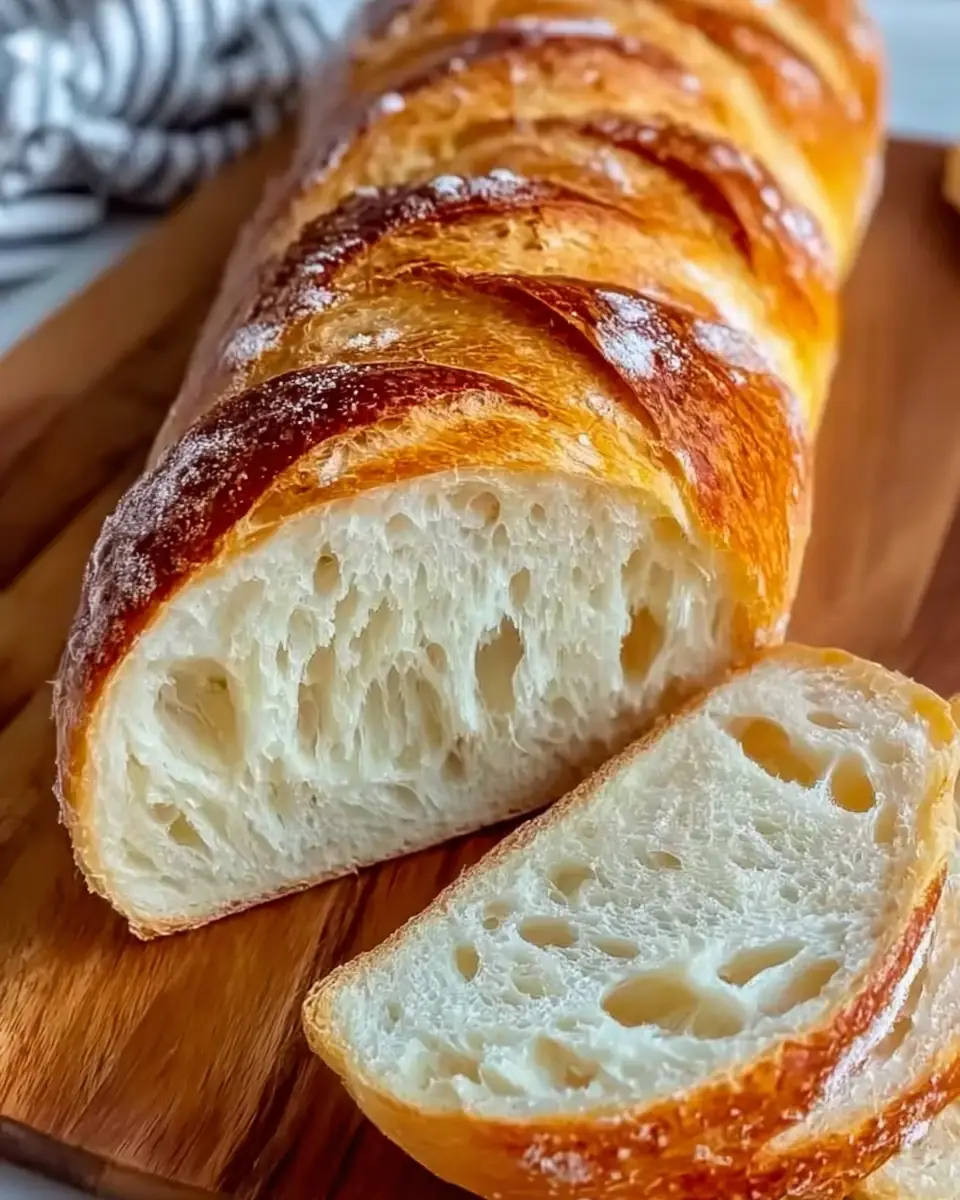
If you’ve ever strolled past a bakery and been captivated by the aroma of freshly baked bread, you know the allure of warm, crusty loaves. Today, I’m thrilled to share a recipe that brings the magic of French bakeries right into your kitchen: Soft Fluffy French Bread. With its perfect crust and tender crumb, this homemade delight is bound to become a staple in your baking repertoire.
Why Make French Bread at Home?
Baking your own bread might seem daunting, but the rewards are rich. Crafting French bread at home allows you to control the ingredients, ensuring a healthier loaf without preservatives. Plus, there’s nothing quite like the satisfaction of pulling a golden-brown loaf from the oven and knowing you made it from scratch. Not to mention, there’s an unmatched aroma that fills your home, creating an inviting atmosphere that’s both comforting and rewarding.

Ingredients You’ll Need
Before we dive into the step-by-step instructions, let’s gather our ingredients. This recipe is designed to be scaled, so whether you’re baking for a cozy dinner or a larger gathering, you’re covered.
- 4 cups all-purpose flour
- 2 1/4 teaspoons active dry yeast
- 1 1/2 cups warm water (110°F or 43°C)
- 1 tablespoon sugar
- 1 1/2 teaspoons salt
- 2 tablespoons olive oil (or melted butter)
For the glaze (optional):
- 2 tablespoons melted butter (for brushing after baking)
Step-by-Step Instructions
1. Activate the Yeast
Start by activating the yeast, a crucial step for achieving that perfect rise. In a small bowl, mix the warm water with sugar and sprinkle the yeast over the top. Let it sit for 5-10 minutes until frothy. This froth indicates that the yeast is alive and well, ready to work its magic.
2. Mix the Dough
In a large bowl, combine the flour and salt. Make a well in the center and pour in the activated yeast mixture. Add olive oil or melted butter, and stir until a dough begins to form. Transfer this dough to a floured surface and knead it for 8-10 minutes. The goal is a smooth and elastic dough, a testament to well-developed gluten.
3. Let the Dough Rise
Place the dough in a lightly greased bowl, cover it with a towel, and let it rise. This process takes about 1-1.5 hours, during which the dough should double in size. The rise is essential for creating that soft, fluffy texture we desire.
4. Shape the Dough
Once your dough has risen, punch it down to release the air. Shape it into a 12-14 inch long loaf, pinching the ends to seal. Place it on a parchment-lined baking sheet, ready for its final rise.
5. Second Rise
Cover the shaped dough and let it rise for another 30-45 minutes until puffy. This second rise is shorter but equally important for the bread’s structure.
6. Score the Bread and Bake
Preheat your oven to 375°F (190°C). Just before baking, score the dough with a sharp knife, making a few shallow slashes. These slashes not only give your bread the classic French look but also allow it to expand without cracking. Bake for 25-30 minutes, or until the loaf is golden brown and sounds hollow when tapped.
7. Cool and Serve
Once baked, remove the bread from the oven and let it cool on a wire rack. For an extra touch of indulgence, brush it with melted butter while still warm. This step is optional but adds a delightful sheen and richness.
Enjoying Your Homemade French Bread
Your Soft Fluffy French Bread is now ready to be savored! Serve it warm, perhaps with a pat of butter, a drizzle of olive oil, or a side of your favorite soup. If any bread survives the first serving, store it at room temperature for up to 2-3 days. The bread’s versatility allows it to be paired with a variety of dishes, from savory to sweet, making it an excellent choice for any meal.
The Science Behind the Bread: A Deeper Dive
Bread baking is a science as much as it is an art. Understanding the role of each ingredient can elevate your baking skills and help you troubleshoot any issues that may arise.
Yeast: The Living Leavener
Yeast is a living organism that feeds on the sugars in the dough, producing carbon dioxide gas and alcohol. This process, known as fermentation, is what causes bread to rise. The carbon dioxide creates bubbles within the dough, giving bread its airy structure. The alcohol evaporates during baking, leaving behind a subtle complexity of flavor. The temperature and environment in which the yeast is activated play a crucial role in its effectiveness. Always ensure your water is just warm enough to encourage yeast activity without killing it.
Flour: The Foundation of Bread
All-purpose flour is a versatile choice for French bread, providing the right balance of protein content to develop gluten. Gluten is the network of proteins that gives bread its chewy texture. Kneading the dough helps align the gluten strands, making the dough more elastic and capable of trapping gas bubbles for a good rise. If you’re looking to experiment, try using bread flour for an even chewier texture.
Salt: More Than Just Flavor
Salt is crucial in bread making for more than just flavor enhancement. It strengthens the gluten network, controls yeast activity, and improves the dough’s overall texture. Too little salt can lead to bland bread with an uneven crumb, while too much can hinder yeast activity, resulting in a dense loaf. Adjusting the amount of salt can subtly change the bread’s flavor profile, making it sweeter or more savory.
Water: The Hydration Element
Water activates gluten and yeast in the dough. The temperature of the water is vital; too hot, and it can kill the yeast; too cold, and it can slow down the fermentation process. The right warmth helps create the perfect environment for yeast activity and gluten development. The hydration level also affects the texture of the bread; too much water can make the dough sticky and hard to handle, while too little can result in a dry loaf.
Troubleshooting Common Bread Baking Issues
Even with a foolproof recipe, things might not always go as planned. Here are common problems and how to fix them:
-
Dense Bread: If your bread turns out dense, it might be due to insufficient kneading, which means the gluten wasn’t developed enough. It could also be due to too much flour or not enough rising time.
-
Cracked Crust: A cracked crust often results from not allowing the dough to rise enough or scoring the bread improperly. Ensure your bread has adequate time to rise and that you score it just before baking.
-
Pale Crust: A pale crust can be caused by under-baking or not enough heat in the oven. Make sure your oven is preheated properly, and consider extending the baking time if necessary.
Variations to Try
Once you’ve mastered the basic recipe, consider experimenting with variations to add new flavors and textures to your bread:
-
Herb-Infused Bread: Add dried herbs like rosemary, thyme, or oregano to the dough for a fragrant loaf that pairs beautifully with soups and stews. These herbs can be mixed into the dough or sprinkled on top before baking for a burst of flavor.
-
Garlic and Parmesan: Mix minced garlic and grated Parmesan cheese into the dough for a savory twist. This variation is perfect for serving alongside pasta dishes or as part of a charcuterie board.
-
Whole Wheat: Replace half of the all-purpose flour with whole wheat flour for a heartier, more nutritious loaf. Whole wheat flour can add a nutty flavor and denser texture, making it an excellent choice for those looking to increase their fiber intake.
Baking Tools and Tips
Having the right tools can make your baking experience smoother and more enjoyable. Here are some essentials:
-
Mixing Bowls: A set of various-sized mixing bowls is useful for combining ingredients and allowing the dough to rise.
-
Kitchen Scale: For precision in measuring ingredients, a kitchen scale is invaluable, especially when scaling recipes.
-
Dough Scraper: This tool helps in kneading and transferring dough without sticking to surfaces.
-
Baking Stone: For an extra-crusty loaf, consider using a baking stone, which retains heat well and mimics the conditions of a professional oven.
-
Proofing Basket: Also known as a banneton, this basket helps the dough hold its shape during the final rise.
Final Thoughts
Baking bread at home is more than just a culinary task; it’s a journey of love and patience. This Soft Fluffy French Bread recipe is perfect for those looking to explore the world of homemade bread-making. As you slice into your freshly baked loaf, take a moment to appreciate the subtle complexities of flavor and texture that only come from a bread made with care. Each loaf you bake is a testament to your growing skill and passion for the art of bread-making. Enjoy your baking adventure and remember, practice makes perfect!