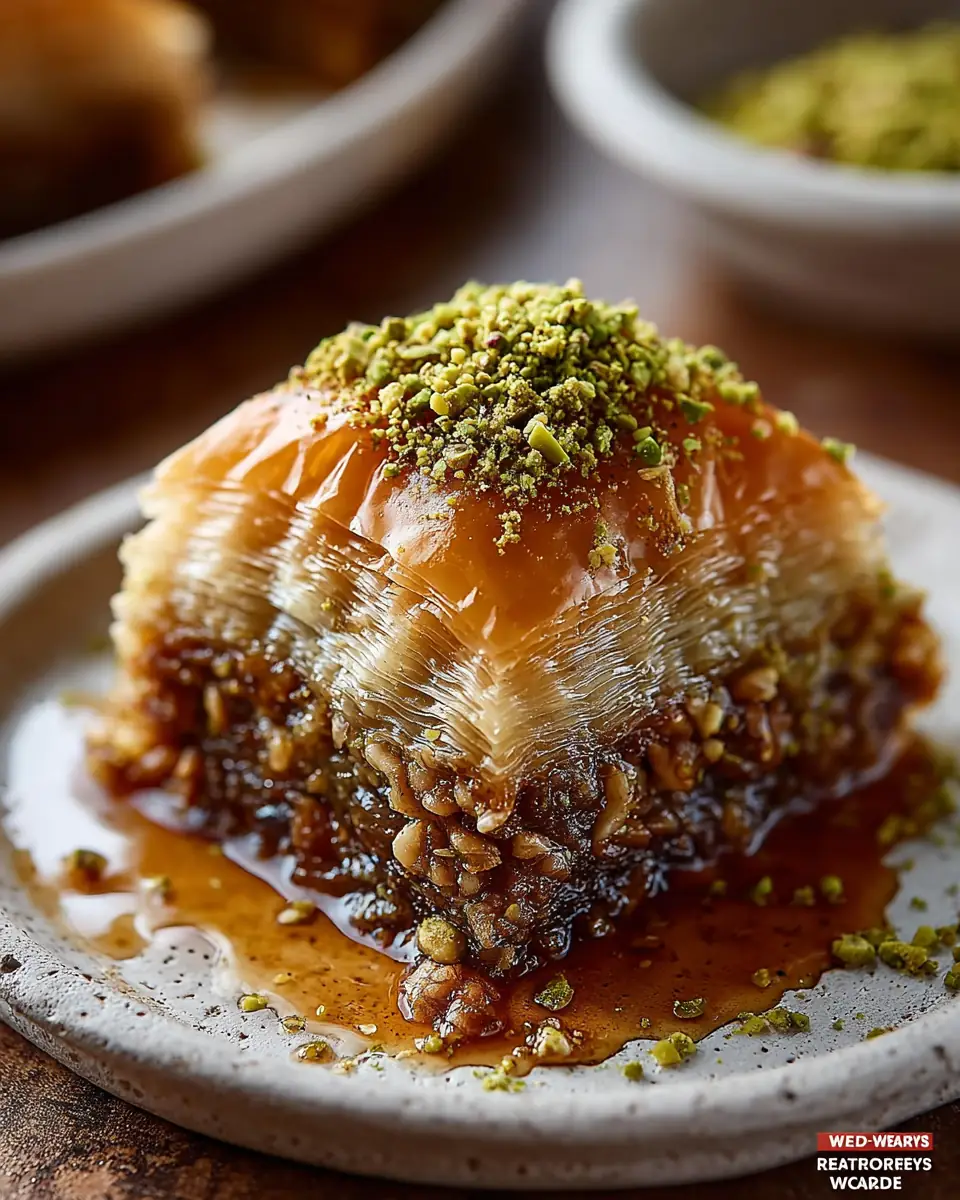
Traditional Homemade Greek Baklava with Walnuts and Pistachios
Baklava, a luscious and sweet dessert with roots deep in Greek, Turkish, and Middle Eastern cuisine, is a testament to the brilliance of simple ingredients working in harmony to create something extraordinary. In this article, we’ll guide you through the process of making traditional Greek-style baklava, enriched with the rich flavors of walnuts and pistachios and draped in a syrupy embrace. This recipe will not only leave your kitchen smelling divine but will also transport you to the sunlit shores of the Mediterranean with each bite.
The Rich Tradition of Baklava
Historical Roots
Baklava’s history is as layered as the pastry itself. Although its exact origin remains a topic of debate, many historians agree that the dessert traces back to the ancient Assyrians, who laid the groundwork for this confection by layering thin sheets of dough with nuts and honey. As it spread across the Middle East and into the Mediterranean, baklava evolved, absorbing the essence of each culture it touched.
Historically, baklava was considered a luxury, reserved for the elite classes of society. Its intricate preparation required skill and time, making it a dish that was often associated with special occasions and celebrations. The art of making baklava was passed down through generations, with each family adding their own unique twist to the recipe.
The Greek Influence
The Greeks are credited with the pivotal addition of phyllo dough, a paper-thin, flaky pastry that defines the modern incarnation of baklava. Phyllo, which means “leaf” in Greek, is meticulously layered to create the dessert’s signature crispy texture. In Greek tradition, baklava is not just a sweet treat but a symbol of hospitality, often served during festive occasions, weddings, and religious celebrations.
In Greece, baklava is often prepared in large quantities, especially during Easter and Christmas. It is a dessert that brings families together, with each member participating in the preparation process. The act of making baklava is as much about the shared experience as it is about the final product.
Variations Across Cultures
While Greek baklava is celebrated for its use of walnuts and honey, other regions have their own unique versions. Turkish baklava often features pistachios and is sometimes flavored with rose water or cardamom. In the Middle East, you’ll find variations that incorporate almonds and the fragrant spice of cloves. Each version tells a story of cultural exchange and culinary adaptation.
In Persia, baklava is infused with the flavors of saffron and rosewater, creating a floral aroma that complements the sweetness of the dessert. In Lebanon, layers of baklava are sometimes sprinkled with orange blossom water, adding a citrusy note that brightens the dish. These regional differences highlight the versatility of baklava and its ability to adapt to local tastes and ingredients.
Ingredients
Before embarking on this culinary journey, gather the following ingredients:
- 150 g walnuts, finely chopped
- 150 g pistachios, finely chopped
- 2 tablespoons granulated sugar
- 1 teaspoon ground cinnamon
- 450 g phyllo dough (16–18 sheets), thawed
- 200 g unsalted butter, melted
- 240 ml water
- 200 g granulated sugar (for syrup)
- 180 ml honey
- 1 tablespoon lemon juice
- Extra crushed pistachios, for garnish
Ingredient Insights
The choice of ingredients in baklava is both a matter of tradition and personal preference. Walnuts and pistachios are the stars of this Greek version, each bringing distinct flavors and textures to the dish. Walnuts offer a slight bitterness that balances the dessert’s sweetness, while pistachios contribute a vibrant green color and a buttery taste.
Phyllo dough, the cornerstone of baklava, must be handled with care. Its delicate nature requires patience and precision, but the effort is rewarded with a flaky, crisp texture that contrasts beautifully with the syrup-soaked nuts. Butter plays a crucial role in achieving this texture, as each layer of phyllo is brushed with melted butter to create pockets of air that contribute to the pastry’s lightness.
The syrup, made from sugar, honey, and lemon juice, is the finishing touch that ties all the elements together. The honey adds depth and complexity to the sweetness, while the lemon juice cuts through the richness, adding a refreshing brightness to the dessert.
Step-by-Step Directions
1. Prepare the Nut Mixture
Begin by pulsing the walnuts and pistachios in a food processor until finely chopped. Alternatively, you can chop them with a knife. Combine the nuts with sugar and cinnamon in a mixing bowl and set aside. This mixture will serve as the flavorful core of your baklava.
The choice of nuts is not arbitrary. Walnuts lend a slight bitterness that balances the sweetness of the syrup, while pistachios add a vibrant color and a distinct buttery flavor. Together, they create a textural contrast that is both satisfying and intriguing.
2. Prepare the Phyllo Dough
Unroll the thawed phyllo dough and cover it with a damp towel to prevent it from drying out. Preheat your oven to 165°C (325°F). Brush a 9×13 inch baking dish generously with melted butter.
Working with phyllo can be daunting due to its fragility. However, the key is to work swiftly and keep the sheets covered when not in use. The butter acts as a bonding agent, ensuring each layer crisps up beautifully.
3. Layer the Phyllo and Nut Mixture
Lay 8–10 sheets of phyllo dough in the dish, brushing each sheet with melted butter before adding the next. Work quickly to keep the phyllo from drying out. Once the base layer is complete, sprinkle one-third of the nut mixture evenly over it.
Next, add 5 more phyllo sheets, buttering each one, and then sprinkle another third of the nut mixture. Repeat this process once more, finishing with a top layer of 10–12 buttered phyllo sheets.
4. Trim and Cut
Trim the edges of the phyllo dough if needed. Using a sharp knife, carefully cut the unbaked baklava into diamond or square shapes. This step ensures that the syrup can seep into all the layers once baked.
The cutting pattern is more than decorative; it serves a practical purpose. The traditional diamond shape allows for even distribution of syrup and ease of serving.
5. Bake the Baklava
Place the dish in the preheated oven and bake uncovered for 60–70 minutes, or until the top layer is golden brown and crisp.
Baking at a moderate temperature is crucial. It ensures the phyllo crisps without burning, creating the perfect vessel for the syrup.
6. Prepare the Syrup
While the baklava is baking, combine water, 200 g of granulated sugar, honey, and lemon juice in a saucepan. Bring the mixture to a boil, then reduce the heat and let it simmer for 10 minutes. Allow the syrup to cool slightly.
The addition of lemon juice to the syrup is essential. It cuts through the sweetness, adding a bright note that complements the richness of the nuts and phyllo.
7. Add the Syrup
As soon as you remove the baklava from the oven, pour the warm syrup evenly over the hot baklava. Expect a delightful sizzle as the syrup meets the pastry — this is perfectly normal and ensures thorough absorption.
The timing of adding syrup is critical. Hot baklava and warm syrup allow for optimal absorption, ensuring each piece is perfectly moist.
8. Rest and Serve
Allow the baklava to rest at room temperature for at least 4 hours before serving. This resting period allows the syrup to soak into all the layers, enhancing the flavor and texture. Before serving, optionally sprinkle with extra crushed pistachios for added texture and visual appeal.
The patience required during resting is rewarded with a dessert that is not only flavorful but also structurally sound, with each layer distinct yet cohesive.
Nutrition Information

Each serving of this traditional Greek baklava contains approximately:
- Calories: 70
- Sugar: 18g
- Fat: 15g
- Carbohydrates: 30g
- Protein: 3g
Baklava is undeniably decadent. While it’s rich in calories, it’s meant to be savored in small quantities, making it a delightful indulgence.
Timing
- Prep Time: 1 hour
- Total Time: 6 hours 10 minutes
Conclusion
Making traditional Greek baklava with walnuts and pistachios is a rewarding process that fills your home with the sweet aroma of cinnamon and honey. Although it requires patience to allow the syrup to fully penetrate the layers, the end result is a dessert that is crispy on the outside and delectably sweet and nutty on the inside. Whether you’re preparing it for a festive occasion or simply to enjoy with a cup of coffee, this baklava is sure to impress and satisfy.
Tips for Perfect Baklava
- Phyllo Handling: Keep phyllo sheets covered with a damp cloth when not in use to prevent them from drying out.
- Nut Variations: Feel free to experiment with different nuts like almonds or hazelnuts for a unique twist.
- Serving Suggestions: Pair baklava with a dollop of Greek yogurt or a scoop of vanilla ice cream to balance its sweetness.
Embracing Tradition
Baklava is more than just a dessert; it’s a celebration of tradition and cultural heritage. Each bite tells a story of its rich history and the many hands it has passed through. Whether you’re sharing it with loved ones or enjoying a quiet moment to yourself, baklava offers a taste of the Mediterranean — a reminder of sunny coasts and warm hospitality.
Pairing Suggestions
Baklava pairs wonderfully with a variety of beverages. Traditionally, it’s enjoyed with a strong cup of Greek coffee, which complements the sweetness of the dessert. The bitterness of the coffee provides a perfect counterbalance, allowing the flavors of the baklava to shine.
For a refreshing alternative, consider serving baklava with a glass of chilled white wine or a sweet dessert wine, such as a Muscat. The fruity notes of the wine enhance the nutty, honeyed flavors of the baklava, creating a harmonious pairing.
Cultural Significance
Baklava holds a special place in the hearts of many cultures. In Greece, it’s often gifted during holidays and special occasions as a gesture of goodwill and friendship. The dessert’s intricate preparation and rich flavors make it a symbol of abundance and celebration.
In Turkey, baklava is a staple during Ramadan, where it’s enjoyed as a sweet treat to break the fast. The sharing of baklava during this time is a reflection of community and generosity, embodying the spirit of togetherness.
In the Levant, baklava is a popular dessert during Eid al-Fitr, the festival marking the end of Ramadan. It is often prepared in large batches and shared among family and friends, symbolizing the joy and gratitude of the occasion.
Final Thoughts
As you embark on your own baklava-making journey, take a moment to appreciate the history and tradition that this dessert represents. Each layer of phyllo, each sprinkle of nuts, and each drizzle of syrup is part of a culinary legacy that has been cherished for centuries.
Enjoy your culinary journey to Greece, one delicious bite at a time!


Traditional Homemade Greek Baklava with Walnuts and Pistachios
This delightful Greek dessert layers crisp phyllo dough with a rich nut mixture, all soaked in a sweet syrup. Perfect for special occasions or whenever you’re in the mood for a treat.
- Baking Dish
- Food Processor
- Saucepan
Baklava Filling
- 150 g walnuts, finely chopped
- 150 g pistachios, finely chopped
- 2 tablespoons granulated sugar
- 1 tsp ground cinnamon
Baklava Assembly
- 450 g phyllo dough (16–18 sheets), thawed (Keep covered with a damp towel to prevent drying)
- 200 g unsalted butter, melted
Syrup
- 240 ml water
- 200 g granulated sugar
- 180 ml honey
- 1 tablespoon lemon juice (Freshly squeezed for best flavor)
- Extra crushed pistachios, for garnish (Optional)
- Pulse the walnuts and pistachios in a food processor or chop finely with a knife. Combine with sugar and cinnamon. Set aside.
- Unroll the thawed phyllo dough and cover with a damp towel to prevent drying. Preheat oven to 165°C (325°F). Brush a 9×13 inch baking dish with melted butter.
- Lay 8–10 phyllo sheets in the dish, brushing each with melted butter before adding the next. Work quickly to keep phyllo from drying out.
- Sprinkle one-third of the nut mixture over the layered phyllo.
- Add 5 more phyllo sheets (buttering each), then another third of the nuts. Repeat once more, ending with a top layer of 10–12 buttered phyllo sheets.
- Trim the edges if needed. Use a sharp knife to cut the unbaked baklava into diamond or square shapes.
- Bake uncovered for 60–70 minutes, or until the top is golden brown and crisp.
- While baking, combine water, sugar, honey, and lemon juice in a saucepan. Bring to a boil, reduce to simmer, and cook for 10 minutes. Let cool slightly.
- Immediately after baking, pour the warm syrup evenly over the hot baklava. It will sizzle — that’s normal!
- Allow baklava to rest at room temperature for at least 4 hours before serving. This helps the syrup soak into all the layers. Optionally sprinkle with crushed pistachios before serving.
Ensure the phyllo dough is well thawed and covered with a damp towel to prevent drying during assembly. Letting the baklava rest allows the flavors to meld beautifully.